
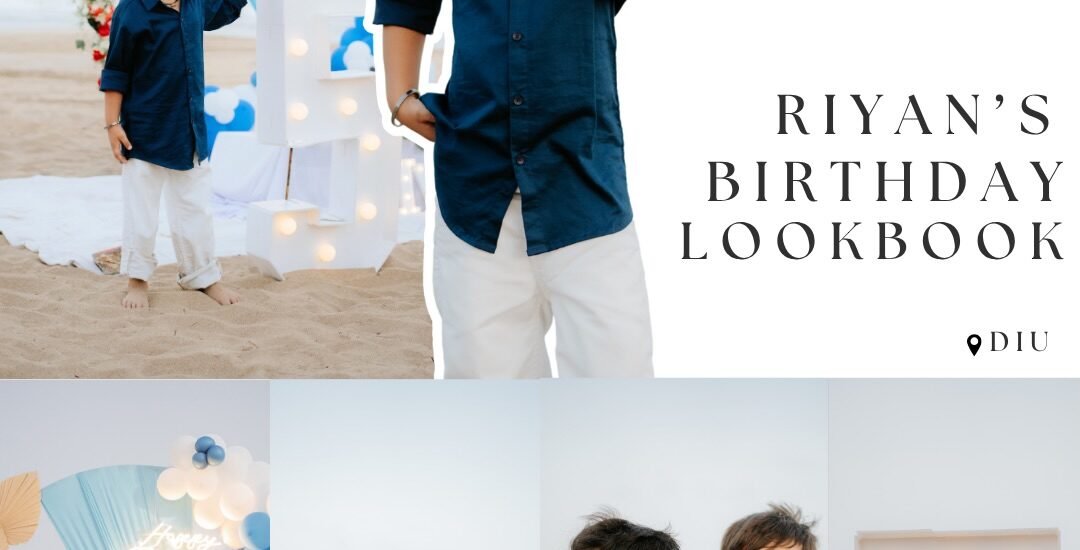
A small private party in Diu benefits from a clear purpose and a comfortable layout. An intimate gathering can feel complete without borrowing every element of a large event. This guide helps plan the guest list, focal area and supplier support so the host can spend time with people.
For help turning this plan into a practical event brief, explore our event planning and celebrations in Diu. This guide focuses on small private party in Diu; the final scope should reflect your date, guest count, chosen venue and priorities.
Define the reason people are gathering
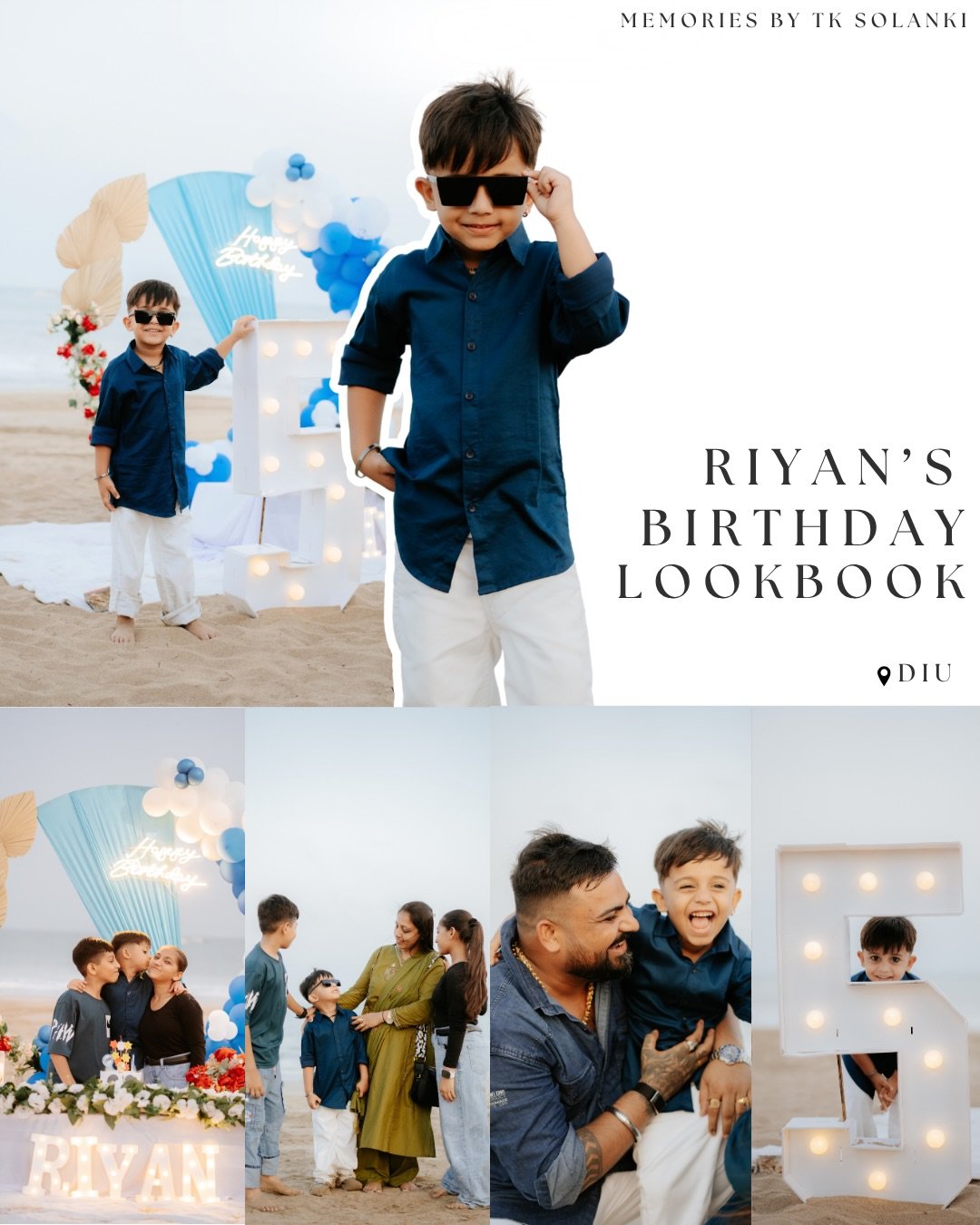
Choose whether the main experience is a meal, conversation, a surprise or a short celebration. That decision gives the event a centre of attention. Keep the guest list connected to it instead of expanding the occasion simply because more people could be invited. A smaller group can be easier to host when everyone understands the tone and the host has time to greet them.
Choose a layout that keeps the group connected
Review seating and the main activity together. Avoid spreading a small group across a large space without a reason. Decoration should make the gathering feel intentional while leaving room for conversation. Ask the venue whether the space is actually private and which areas are included. The plan should reflect confirmed arrangements rather than a photograph that hides surrounding guests.
Give suppliers a compact but complete brief
A small party still needs clear installation, coverage and removal arrangements. Tell the planner which parts the host already has organised. Confirm whether food, furniture and photographs are included or handled separately. A simple scope can be thorough without becoming complicated. The important handovers need an owner even if the gathering has only a few guests.
Protect the host’s time during the party
Ask a coordinator or trusted helper to handle directions and supplier questions. Take essential group photographs while everyone is together, then let the gathering become relaxed. Do not fill a small evening with a long sequence of formal activities unless the group wants them. The most valuable part of an intimate party is often uninterrupted time with the people who came.
Give a small gathering a deliberate focus
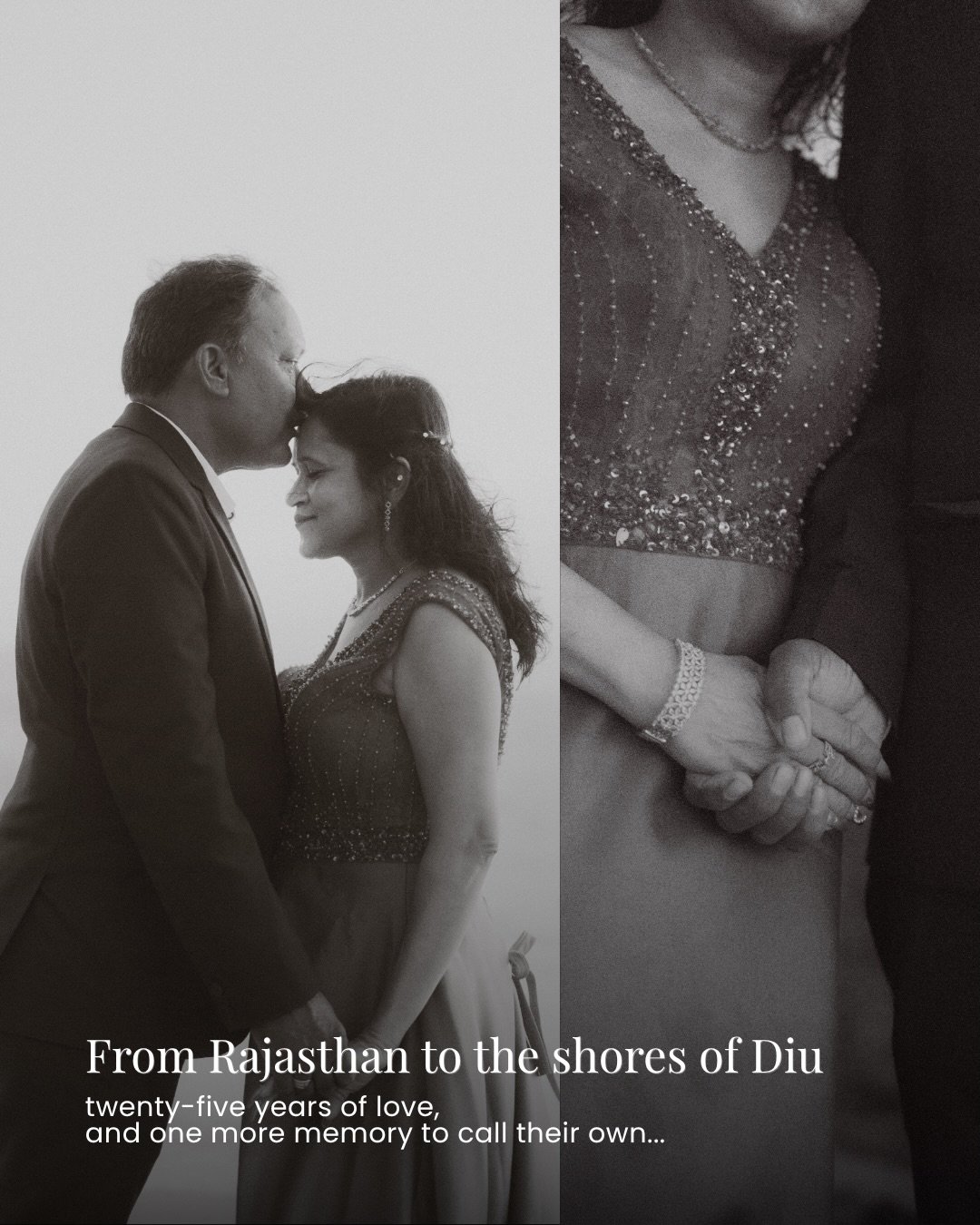
A small event benefits from a clear centre of attention. Choose the moment or activity that matters most, then put your effort around it. That might be a dinner table, a family gathering, a short presentation or a personal reveal. A modest setup can feel complete when those choices work together.
Use the guest count to shape the layout instead of stretching a large-event design into a smaller space. Keep people comfortably close enough to speak and participate. Decoration should give the gathering character without leaving empty areas that make it feel unfinished.
For a small occasion, the host’s attention is often the most valuable resource. Give someone else responsibility for arrivals, supplier questions and the main cues. Plan the necessary photographs early, then allow the event to become informal. A well-organised intimate gathering gives guests time with the people they came to see.
Choose a format before choosing decorative details
The event format determines how people use the space. A seated dinner, a social gathering and a short presentation need different layouts and different levels of coordination. Write down the main activity and decide what guests should be doing during each part of the programme. Then choose decoration and production that support that movement.
Sketch the room or outdoor area in simple zones. Include arrival, the focal activity, seating, refreshments and supplier working space. Leave enough room for guests to move between them. Ask the venue and installer to review the proposal before treating the sketch as a final layout.
A clear format also makes supplier conversations easier. You can explain why a particular piece of furniture, backdrop or technical arrangement is needed. If the event changes from a standing gathering to a seated meal, review the whole layout again. Small programme changes can affect guest flow more than an extra decorative element does.
Keep venue decisions separate from creative wishes
A creative reference tells the team what you like; the venue confirms what can actually happen in its space. Check access hours, installation rules and the areas included in your booking before approving the concept. If the event uses a public outdoor area, ask the relevant venue or local authority about the arrangements required for that activity.
Do not assume that a nearby beach, a hotel booking or a restaurant reservation includes permission for a separate event setup. The planner should help identify the right questions, while the appropriate venue or authority confirms the answer. Keep approvals with the working event documents so suppliers know the agreed boundaries.
When a preferred element cannot be accommodated, discuss an alternative that preserves the mood. A smaller backdrop, a different position or an indoor version may work well. Resolve the change before producing personalised items or committing to an installation that depends on an unconfirmed location.
Connect refreshments to the guest journey
Food and refreshments need a place in the event plan, even when catering is arranged separately. Decide when guests should eat and how that timing fits the main programme. A long queue or a meal delayed by speeches can change the mood of the gathering. Give the venue or caterer the latest run sheet.
Ask the host to collect practical dietary requirements and let the caterer confirm the options they can provide. Keep the service area easy to find and away from narrow arrival or exit routes. If there are seated guests, discuss how service reaches them without interrupting photographs or presentations.
Plan the transition after refreshments too. Guests may need a few minutes before returning to a session or joining a group photograph. The coordinator should guide that movement without rushing people through the meal. A well-timed food service supports the event, even if it is not the most photographed part of the setup.
Give photography a practical brief
Tell the photography team which people, moments and details matter most. A short priority list is more useful than asking for “everything” without explaining the programme. Include the main activity, important relationships, the setup before guests arrive and the photographs needed afterward. For a company event, distinguish internal records from material intended for external communication.
Ask for family or group photographs while the relevant people are still together. Give the photographer a helper who can identify names and gather guests. This avoids interrupting the host repeatedly and protects time for candid coverage. If a moment is meant to be a surprise, share its cue privately with the camera team.
Agree the coverage period and delivery expectations before the event. Discuss what type of edited photographs or film is included and which later uses the team should consider while shooting. The images in this guide are examples already hosted in the site’s library; they do not imply that every planning format described here has already been delivered as a past client event.
Make the guest journey easy to follow
Guest experience starts before the first photograph. Give invitees a clear location, arrival window and contact for directions. If they are travelling to Diu, separate event instructions from accommodation and transfer information. A long message containing every possible detail is hard to use while somebody is on the road; a short practical note is easier to follow.
At the venue, consider where guests can wait, sit and find refreshments. Keep the entrance free from unnecessary decoration that makes arrival awkward. Give special attention to anyone arriving with children or older relatives, and avoid making them walk repeatedly between distant parts of the venue.
Decide who handles late arrivals. The host should be free to enjoy the occasion or lead the programme. A coordinator can quietly direct guests without stopping an important moment. After the event, make the return route equally clear. Good hospitality is often the set of small decisions that guests never need to ask about.
Build a run sheet with named responsibilities
A run sheet turns a collection of bookings into one event. Write it in chronological order, from supplier access through guest arrival, the main moments and final removal. Each entry needs a responsible person and a clear cue. “Cake cutting” or “speaker presentation” is incomplete without knowing who invites the guests forward and who tells the camera or sound team it is about to begin.
Allow small gaps between major activities. Guests take time to move, speakers finish at different speeds, and families sometimes need a moment before a photograph. A schedule with no breathing room becomes difficult to recover once one activity runs late. Decide which optional segment can be shortened before the event begins.
Share the latest version with every lead supplier and the venue contact. Put the version date at the top so an old copy is easy to spot. Keep private notes separate from the guest-facing programme. Guests need useful directions; the working team needs cues, access details and the person authorised to resolve changes.
Choose the level of programme your event needs
These are planning formats to compare, not fixed packages. Use the option that supports the purpose of your event, and leave out activities that do not help it.
| Format | When it helps | What to confirm |
|---|---|---|
| Venue-led gathering | Useful when the space and hospitality shape the occasion | Confirm the booked areas and supplier access |
| Programme-led event | Useful when presentations or a main activity lead the plan | Confirm cue ownership and required production |
| Intimate celebration | Useful when time with a smaller guest group matters most | Confirm comfortable seating and a modest focal setup |
Planning responsibility table
Use this table as a discussion checklist. Assign a named person to each responsibility and record the answer in your working plan. The examples describe recommended planning roles, not a promise that every service is automatically included in a package.
| Planning area | Working detail | Confirmation needed |
|---|---|---|
| Purpose | Meal, conversation or reveal | Choose the main experience |
| Guests | Relevant close group | Keep the host’s time realistic |
| Space | Connected seating and focal area | Confirm privacy and layout |
| Suppliers | Defined small-event scope | Assign the handovers |
| Pictures | Priority people | Complete before departures |
Frequently asked questions
Does a private party need a stage?
Only if the programme requires one. A meal or conversation-led gathering may work better with a smaller focal setup.
Can we plan a party for just a few guests?
Yes. Share the purpose, guest count and preferred space so the scope can be designed for an intimate gathering.
What should we send for a tailored enquiry?
Send the preferred date, approximate guest count, venue status and the part of the plan you want help with. Include a short description of the main activity and any important travel or timing considerations. If you have references, share a focused selection and identify what you like about them. A clear brief lets the team discuss availability and the relevant service scope.
Plan your event in Diu with Memories by TK Solanki
Start with the occasion and the practical decisions in this guide. Memories by TK Solanki is based in Main Bazar, Diu. Our event planning and celebrations in Diu page explains the main service, while private party planning in Diu can help you discuss a more intimate gathering. Confirm the services required for your event in the final proposal.
For related planning, read Family Reunion in Diu: Event Planning for Several Generations and Event Guest Arrival and Transport in Diu: A Coordination Guide. These guides cover different decisions, so use the one that addresses your next open question rather than treating every idea as something your event must include.
Discuss your date, guests and event brief.
WhatsApp to plan your event
Call +91 84608 90719 · Contact Memories by TK Solanki