
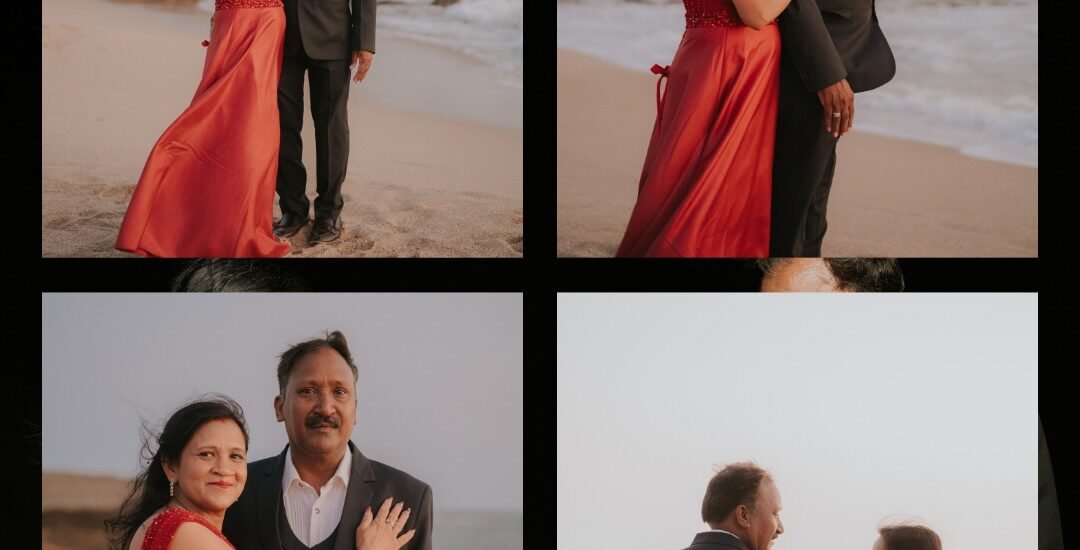
An anniversary celebration run sheet in Diu gives the planner, family and photographer the same sequence. It is especially useful when a reveal, dinner and family photographs share one evening. This guide explains how to write cues that protect the personal moments without making the celebration feel rigid.
For help turning this plan into a practical event brief, explore our anniversary celebration planning in Diu. This guide focuses on anniversary celebration run sheet in Diu; the final scope should reflect your date, guest count, chosen venue and priorities.
Start the working schedule before guest arrival
The run sheet should include supplier access, installation checks and the time the space is ready. A guest-facing start time alone is not enough. Ask the venue and suppliers to confirm their preparation windows. Leave room for a final inspection of names, table placement and personal details. The couple should arrive to a completed plan rather than the last few pieces still being arranged.
Write the reveal as a cue with an owner
Identify who brings the couple to the location and who signals the actual arrival. The photographer and coordinator need that cue privately. Keep the message short and reliable. After the reveal, allow time for reaction and conversation before moving into formal portraits. The emotional moment cannot be scheduled to the second, so the run sheet should support it rather than rush it.
Separate portraits, family messages and dinner
Each part needs a practical place in the evening. Gather the agreed groups while the relevant guests are together. Keep speeches or messages concise and tell contributors when they will be invited. Coordinate meal timing with the venue. A programme that alternates constantly between photographs and food can make both feel interrupted. Give each activity enough space to happen comfortably.
Add a closing and removal handover
Decide when the planned coverage ends and who looks after gifts or keepsakes. Confirm removal arrangements with the venue and suppliers. The couple should not have to supervise cleanup while saying goodbye to relatives. Keep the closing flexible enough for conversation, but give the working team a clear finish. The run sheet succeeds when it makes the event easier without becoming visible in every guest interaction.
Build a run sheet with named responsibilities
A run sheet turns a collection of bookings into one event. Write it in chronological order, from supplier access through guest arrival, the main moments and final removal. Each entry needs a responsible person and a clear cue. “Cake cutting” or “speaker presentation” is incomplete without knowing who invites the guests forward and who tells the camera or sound team it is about to begin.
Allow small gaps between major activities. Guests take time to move, speakers finish at different speeds, and families sometimes need a moment before a photograph. A schedule with no breathing room becomes difficult to recover once one activity runs late. Decide which optional segment can be shortened before the event begins.
Share the latest version with every lead supplier and the venue contact. Put the version date at the top so an old copy is easy to spot. Keep private notes separate from the guest-facing programme. Guests need useful directions; the working team needs cues, access details and the person authorised to resolve changes.
Keep a surprise manageable for the person receiving it
A surprise works best when it suits the person being celebrated. Think about whether they enjoy public attention, a private dinner or a small group of familiar people. The size of the reveal should follow that preference. A dramatic entrance is less useful if the couple would rather have a quiet moment together.
Keep the planning group small and give one person responsibility for bringing the couple to the venue. Share the actual arrival cue with the planner and photographer. Build in a little flexibility for traffic, travel fatigue or a change in the person’s mood. Suppliers need a reliable update rather than a stream of guesses from different relatives.
Decide what happens immediately after the reveal. The couple may want a moment to look around, talk or greet family before photographs begin. Allow that space in the run sheet. If the surprise includes a gift or message, agree where it will be placed and who looks after it until the right moment.
Include family without making the couple manage everyone
For a family anniversary celebration, divide responsibilities before the event. One person can gather relatives for photographs, another can coordinate messages, and the planner can manage suppliers. The couple should not spend the evening searching for people or resolving questions about the cake.
Ask about older guests, young children and relatives arriving from outside Diu. A comfortable seating area and a clear programme help several generations enjoy the occasion together. Keep speeches concise and avoid asking every guest to take the microphone. A few well-chosen contributions usually hold attention better.
Prepare a family photograph list in manageable groups. Start with the couple and immediate family, then add the wider group if appropriate. Take these photographs while people are together and before the evening becomes more informal. After the planned portraits, give the photographer space for natural interactions. Those small moments can become as meaningful as the main celebration photograph.
Plan the dinner as part of the experience
If the anniversary includes a meal, think about how dining and the celebration fit together. Decide whether the couple eats privately, joins family or hosts a larger group. Share the timing with the venue so photographs, speeches and food service do not compete. A meal should arrive at a sensible point in the evening, not wait while every decorative detail is photographed.
Ask about menu preferences and practical dietary needs early. The venue or caterer should confirm what they can provide. Keep the table comfortable: guests need room for place settings and conversation as well as decoration. Large centrepieces can block faces and make a small dinner feel more formal than intended.
Plan one or two short moments around the meal rather than a continuous programme. A toast, a family message or a cake moment may be enough. Protect time for the couple to enjoy the setting. The table can photograph beautifully before arrival, leaving the dinner itself free from repeated rearrangement.
Give the couple a calm portrait window
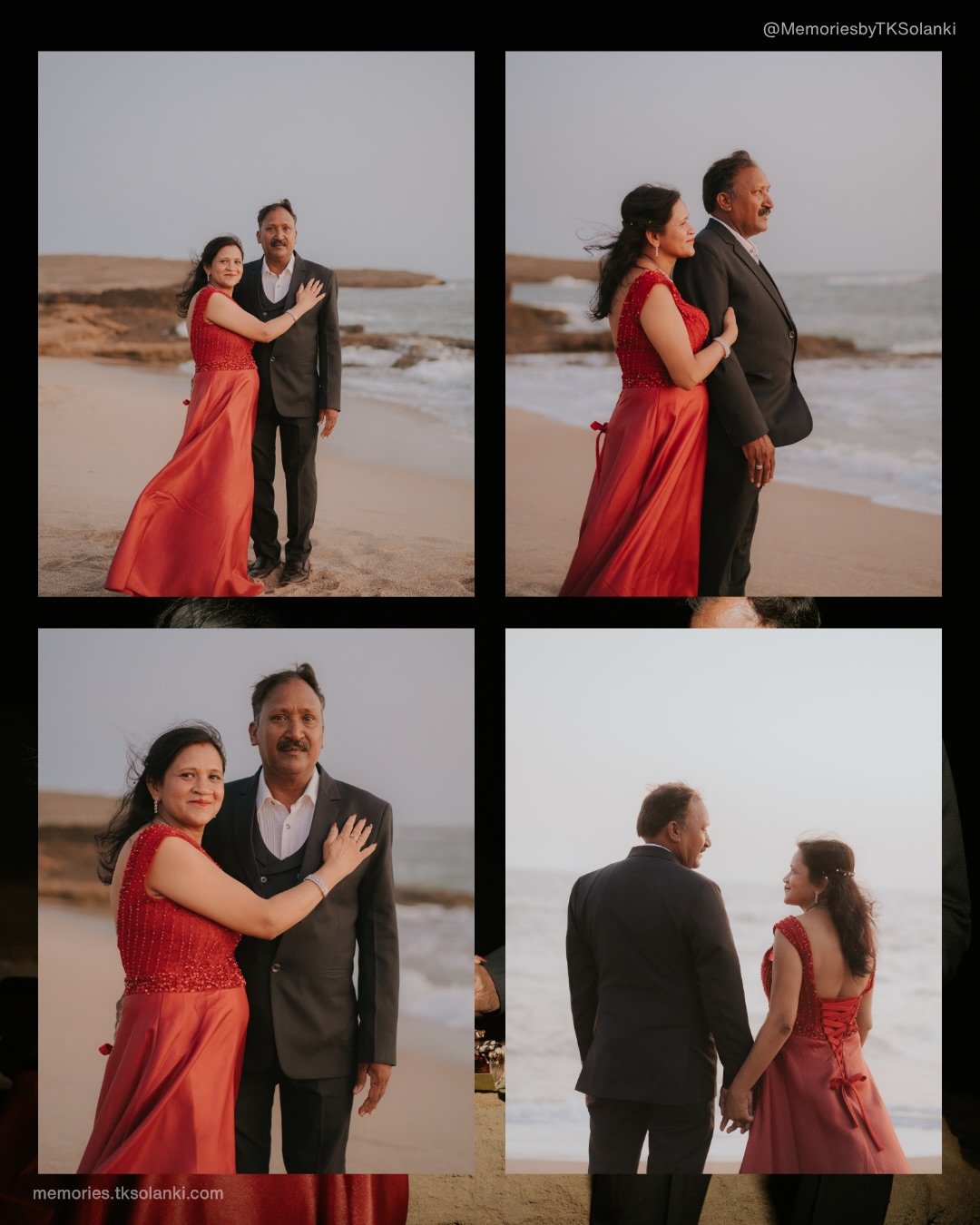
Plan portraits when the couple can give them attention without rushing. A short session before dinner or before most guests arrive may work well, depending on the venue and their preferences. Tell the photographer whether they want natural conversation, simple standing photographs or a more dressed-up portrait.
Choose clothes that feel comfortable and suit the setting. Coordination can be as simple as colours that work together; identical outfits are not necessary. If older relatives are involved, avoid an elaborate route between multiple backgrounds. A nearby chair and an accessible portrait position can make the session easier.
Keep the direction gentle. Many couples are not used to being photographed together outside family functions. Let them talk, hold hands or move naturally where the space allows. Once the planned portraits are complete, return to the celebration. The aim is to preserve the anniversary without making the entire evening revolve around posing.
Agree who leads each part of delivery
An event can involve a venue, decorator, production team, photographer and caterer even when the gathering itself is small. Decide who leads each part of delivery and who connects those teams. The host should not become the default answer to every supplier question once guests arrive.
Create a simple contact sheet with roles rather than a large chat group containing everyone. The venue contact handles access and space questions; the lead installer handles the setup; the programme coordinator manages cues. Give each person the decisions they are authorised to make and the person they should contact if the plan needs changing.
Walk through the major handovers before the event. Who confirms the space is ready? Who checks the setup? Who signals guest arrival? Who approves removal? Those practical transitions often determine whether the occasion feels calm. Keep the chain short enough that a small change can be resolved quickly without several people repeating the same request.
Close the event with a clear handover
The plan should include what happens after the main moment finishes. Decide who collects personal items, reusable decorations and any material that belongs to the host or company. Ask the venue when suppliers must remove their installation and whether a separate collection slot is required. Those details affect the crew schedule and should be agreed before the event.
Keep an approved record of changes made during delivery. Extra time, additional requests and substitutions are easier to review when they are documented rather than remembered differently by several people. A brief closeout conversation lets the host identify any unresolved delivery item while the suppliers still have the relevant details.
Follow up on photographs, edited films and other promised outputs using the agreed delivery schedule. For future events, note what worked and what created unnecessary effort. Useful lessons are specific: an arrival instruction that caused confusion, a programme segment that needed more time, or a layout that made guest movement easier.
Choose the level of programme your event needs
These are planning formats to compare, not fixed packages. Use the option that supports the purpose of your event, and leave out activities that do not help it.
| Format | When it helps | What to confirm |
|---|---|---|
| Couple-only celebration | Prioritises privacy and time together | Confirm the actual space and dining arrangement |
| Close-family gathering | Prioritises shared memories and family photographs | Confirm guest comfort and portrait groups |
| Larger milestone occasion | Prioritises wider participation and a structured programme | Confirm concise contributions and coordination roles |
Planning responsibility table
Use this table as a discussion checklist. Assign a named person to each responsibility and record the answer in your working plan. The examples describe recommended planning roles, not a promise that every service is automatically included in a package.
| Planning area | Working detail | Confirmation needed |
|---|---|---|
| Preparation | Venue and setup teams | Space checked before arrival |
| Arrival cue | Nominated organiser | Private update to coordinator |
| Reveal | Couple and photographer | Allow reaction time |
| Portraits and messages | Family helper and host | Keep the sequence concise |
| Dinner and close | Venue and coordinator | Service, keepsakes and removal |
Frequently asked questions
Do we need exact times for every photograph?
Use realistic windows and clear cues rather than trying to control every expression. The team needs a shared sequence with room for the couple.
Who should carry the run sheet?
Give the current version to the venue contact, coordinator and lead suppliers. Family contributors need only the practical information relevant to their role.
What should we send for a tailored enquiry?
Send the preferred date, approximate guest count, venue status and the part of the plan you want help with. Include a short description of the main activity and any important travel or timing considerations. If you have references, share a focused selection and identify what you like about them. A clear brief lets the team discuss availability and the relevant service scope.
Plan your event in Diu with Memories by TK Solanki
Start with the occasion and the practical decisions in this guide. Memories by TK Solanki is based in Main Bazar, Diu. Our anniversary celebration planning in Diu page explains the main service, while anniversary setup and decoration in Diu can help you discuss the setup direction. Confirm the services required for your event in the final proposal.
For related planning, read 25th Wedding Anniversary in Diu: A Silver Jubilee Planning Guide and 10th Wedding Anniversary in Diu: Celebration and Family Ideas. These guides cover different decisions, so use the one that addresses your next open question rather than treating every idea as something your event must include.
Discuss your date, guests and event brief.
WhatsApp to plan your event
Call +91 84608 90719 · Contact Memories by TK Solanki