
A corporate event budget in Diu is useful only when it explains what the company is buying. A single total cannot tell you whether the proposal includes venue coordination, production, photography or delegate support. This guide focuses on comparing scope, approving changes and protecting the parts of the event that support your business objective.
For help turning this plan into a practical event brief, explore our corporate event planning in Diu. This guide focuses on corporate event budget in Diu; the final scope should reflect your date, guest count, chosen venue and priorities.
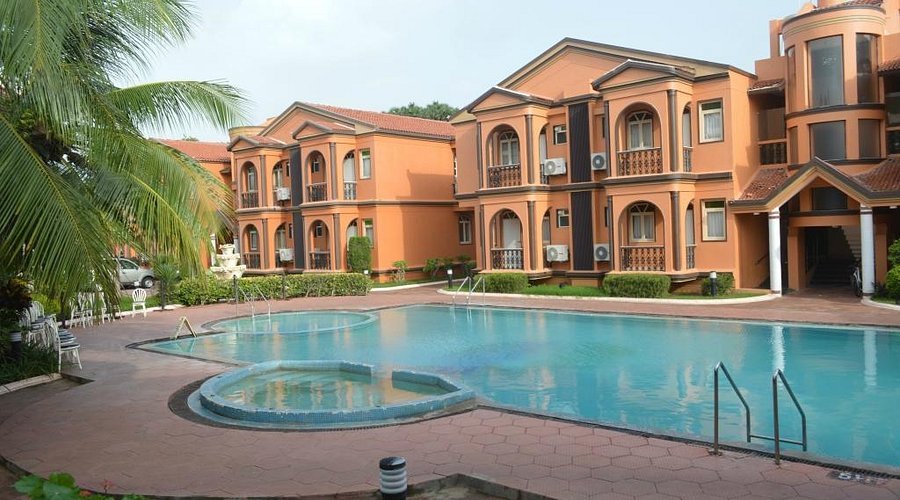
Divide the budget by responsibility
Separate venue and accommodation costs from event delivery. Then identify who is arranging catering, travel, stage production, branding and visual coverage. If the hotel bundles several items, ask for the included scope in writing. A company coordinator should be able to see which supplier owns each line. That makes later changes easier to assess and stops the same item being assumed in two proposals or missing from both.
Compare a working baseline with an enhanced option
Ask for one practical baseline that can deliver the programme, then a separately priced enhancement list. The baseline should include the agreed essential equipment, crew and guest arrangements. Extras might improve the look or add entertainment, but they should remain identifiable. Compare both options against the same guest count, venue and coverage period. Otherwise the cheaper total may represent a smaller event rather than a better offer.
Track what changes the final total
Changes in attendance, programme length and installation access can affect several budget lines at once. Record the proposed change, the affected supplier and the revised cost before approving it. For example, adding another business session may require extra room time, a different crew schedule and later refreshments. Avoid treating the change as only an additional speaking slot. Review its effect on the event as a whole.
Use the budget review as an approval meeting
Bring the decision maker, finance contact and event coordinator into one review with the current scope. Identify open questions before a booking is treated as final. Keep optional choices separate so the meeting ends with an approved working plan. Afterward, circulate a concise record of what was selected, what was removed and which costs remain subject to a supplier’s confirmation. This is a planning framework, not a published price list.
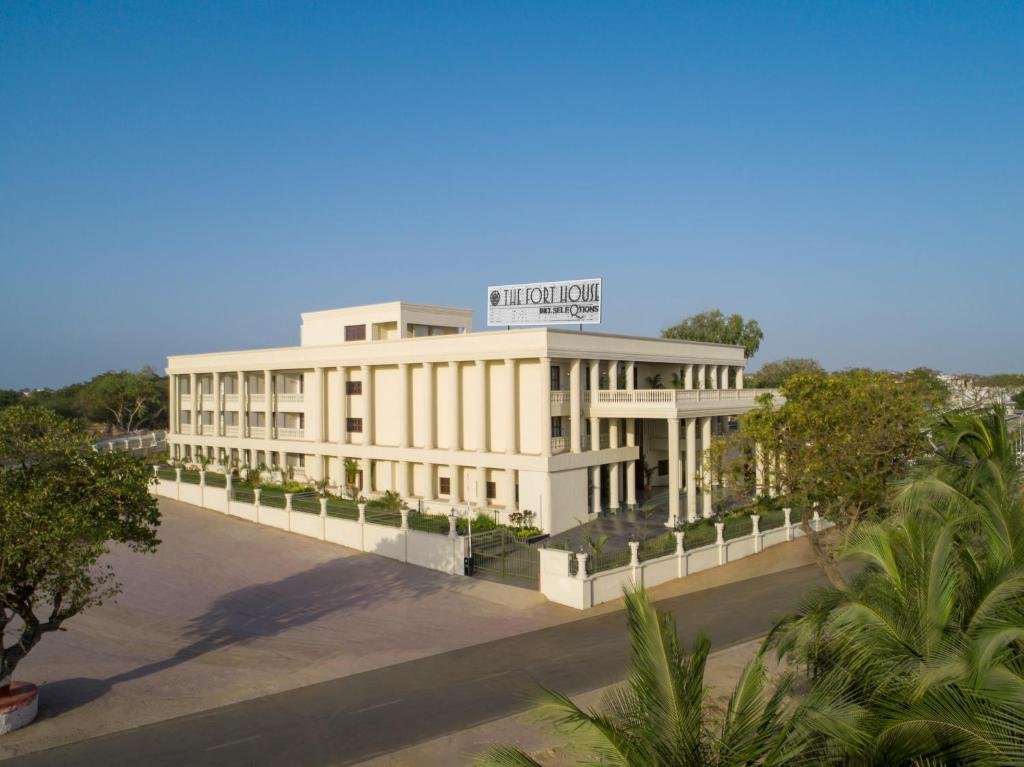
Compare the scope behind the quotation
Two event quotations can look similar while covering very different work. Compare the actual deliverables rather than the package name. For decoration, ask about dimensions, materials and installation. For production, ask about the approved equipment and operating crew. For photography, compare coverage hours and the delivery scope. Keep catering and venue charges separate unless they are expressly included.
Request a clear list of exclusions. Transport, additional crew time, venue access charges, furniture, power arrangements and late removal can affect the final total. An inexpensive-looking proposal may simply leave those items for somebody else to arrange. Equally, an elaborate option may include elements your event does not need.
Mark each line as essential, useful or optional before discussing reductions. Protect the parts that support the purpose of the event and the guest experience. Then remove extras that have little practical value. A written change log helps everyone understand how a revised budget changes the final setup, rather than leaving the original reference image as an unrealistic expectation.
Define the business outcome first
A corporate event needs an outcome beyond gathering people in a pleasant place. Write down what attendees should understand, decide or do differently afterward. That might be a shared sales plan, stronger dealer relationships, useful training or recognition of employee contributions. The outcome should influence the room layout, programme and follow-up material.
Choose an owner for the content as well as an owner for the event logistics. The planner can organise delivery, but the company needs to approve messages, figures and the business purpose of each session. Keep presentations connected to the event objective. A beautiful stage cannot compensate for a programme whose sessions do not help the audience.
Decide how you will review the result. Use a small set of relevant measures, such as completed action plans, useful feedback or agreed next steps. Avoid collecting information simply because a form makes it easy. Explain what happens after the event so participants see the meeting as part of the work, not an isolated day away.
Test the programme with the technical team
Technical planning begins with the actual programme. List who will speak, what they will show and whether the session includes video, demonstrations or remote contributions. Share presentation files before the event and appoint one person to approve the final versions. Several last-minute files with similar names can create avoidable confusion at the control position.
Arrange a rehearsal that checks the full sequence. Test speech clarity from different seats, slide readability and transitions between presenters. The equipment list should be designed by the technical team for the approved venue and audience; a large screen or more speakers does not automatically improve the experience.
Give the show caller the cues for each important transition. They need to know when a presenter is ready, when a film ends and when the next activity starts. Keep a backup copy of approved content and an agreed response to a presentation problem. Guests should continue to receive clear instructions even if the technical team needs a moment to recover.
Write a brief that can actually be quoted
A useful event brief answers practical questions before anyone sends a price. List the date, approximate guest count, preferred format, venue status and the parts of the event you want help with. Separate confirmed decisions from ideas that still need discussion. A reference photograph can explain the mood, but it does not describe the size, materials, labour or access needed to reproduce it.
Give one person responsibility for approving the final scope. If several relatives or company departments are involved, collect their requests before asking vendors to revise a proposal. This reduces conflicting instructions and makes the quotation easier to compare. Include the required start and finish times, the time allowed for installation, and whether removal must happen that night.
Ask the planner to return a written summary of the brief in their own words. Look for assumptions that have quietly entered the plan, such as an outdoor venue, extra lighting or a particular guest count. Correcting those assumptions early is much easier than discovering them when the setup arrives.
Close the event with a clear handover
The plan should include what happens after the main moment finishes. Decide who collects personal items, reusable decorations and any material that belongs to the host or company. Ask the venue when suppliers must remove their installation and whether a separate collection slot is required. Those details affect the crew schedule and should be agreed before the event.
Keep an approved record of changes made during delivery. Extra time, additional requests and substitutions are easier to review when they are documented rather than remembered differently by several people. A brief closeout conversation lets the host identify any unresolved delivery item while the suppliers still have the relevant details.
Follow up on photographs, edited films and other promised outputs using the agreed delivery schedule. For future events, note what worked and what created unnecessary effort. Useful lessons are specific: an arrival instruction that caused confusion, a programme segment that needed more time, or a layout that made guest movement easier.
Choose the level of programme your event needs
These are planning formats to compare, not fixed packages. Use the option that supports the purpose of your event, and leave out activities that do not help it.
| Format | When it helps | What to confirm |
|---|---|---|
| Business-first format | Prioritises approved content, decisions or learning | Confirm session owners and the expected output |
| Relationship-first format | Prioritises partner or colleague conversations | Protect usable breaks and discussion space |
| Recognition-first format | Prioritises appreciation and stage moments | Confirm names, presentation order and photography cues |
Planning responsibility table
Use this table as a discussion checklist. Assign a named person to each responsibility and record the answer in your working plan. The examples describe recommended planning roles, not a promise that every service is automatically included in a package.
| Planning area | Working detail | Confirmation needed |
|---|---|---|
| Venue | Approved spaces and hours | Which charges belong to the hotel? |
| Production | Equipment and operating crew | Does the quote match the programme? |
| Branding | Dimensions, artwork and installation | Are revisions and removal covered? |
| Coverage | Hours and agreed edited outputs | Which moments need priority? |
| Guest logistics | Actual coordination scope | Who owns transport and room updates? |
Frequently asked questions
Can you give a fixed cost per delegate?
Only a proposal based on your date, venue, attendance and scope can give a meaningful quote. A per-person figure can hide production and coordination costs that do not scale evenly with attendance.
What should we reduce first?
Review optional enhancements before removing essentials that support the programme, clear communication and guest experience. Ask each supplier how a reduction changes the delivered scope.
What should we send for a tailored enquiry?
Send the preferred date, approximate guest count, venue status and the part of the plan you want help with. Include a short description of the main activity and any important travel or timing considerations. If you have references, share a focused selection and identify what you like about them. A clear brief lets the team discuss availability and the relevant service scope.
Plan your event in Diu with Memories by TK Solanki
Start with the occasion and the practical decisions in this guide. Memories by TK Solanki is based in Main Bazar, Diu. Our corporate event planning in Diu page explains the main service, while corporate photography services in Diu can help you discuss the visual record. Confirm the services required for your event in the final proposal.
For related planning, read Two-Day Corporate Offsite in Diu: Agenda and Logistics Guide and Conference Registration and Guest Flow in Diu: Planning Guide. These guides cover different decisions, so use the one that addresses your next open question rather than treating every idea as something your event must include.
Discuss your date, guests and event brief.
WhatsApp to plan your event
Call +91 84608 90719 · Contact Memories by TK Solanki