
Corporate event photography in Diu is more useful when the company explains how the photographs will be used. An internal report, a social post and a partner update need different kinds of images. A clear shot list gives the photographer priorities without trying to script every candid moment.
For help turning this plan into a practical event brief, explore our corporate event planning in Diu. This guide focuses on corporate event photography in Diu; the final scope should reflect your date, guest count, chosen venue and priorities.
Separate people, programme and environment
Build the shot list in three groups. People include speakers, delegates and recognition recipients. Programme images document the main activities. Environment images show the venue, setup and approved branding. This helps the company see what the visual record needs to cover. Prioritise within each group so the photographer can make sensible choices when two moments happen at the same time.
List the company photographs that cannot be repeated
Identify important handovers, stage moments and group pictures before the event. Give the photographer the latest run sheet and a contact who knows the people involved. If the company needs a particular group together, arrange a time while everyone is present. Do not assume the camera team can identify every senior person or partner from a general attendance list.
Brief the team on intended external use
Explain whether images are needed for internal records, company channels or another agreed purpose. The company should communicate any restrictions on photographing sensitive material or particular sessions. Discuss the required delivery scope and timing directly with the photographer. A short edit for immediate communication and the main final gallery are different deliverables and should not be assumed to be included automatically.
Protect natural coverage as well as formal pictures
A complete record includes interactions, reactions and the way people experience the event. Leave room for those photographs instead of scheduling continuous staged groups. Tell the photographer which sessions or conversations are important, then let them work discreetly. After the event, review the images against the agreed priority list rather than judging coverage only by the total number of photographs supplied.
Give photography a practical brief
Tell the photography team which people, moments and details matter most. A short priority list is more useful than asking for “everything” without explaining the programme. Include the main activity, important relationships, the setup before guests arrive and the photographs needed afterward. For a company event, distinguish internal records from material intended for external communication.
Ask for family or group photographs while the relevant people are still together. Give the photographer a helper who can identify names and gather guests. This avoids interrupting the host repeatedly and protects time for candid coverage. If a moment is meant to be a surprise, share its cue privately with the camera team.
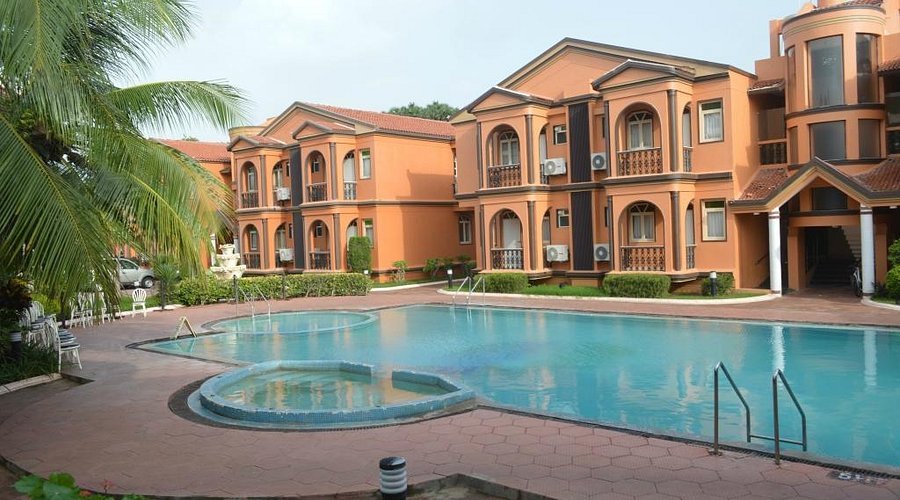
Agree the coverage period and delivery expectations before the event. Discuss what type of edited photographs or film is included and which later uses the team should consider while shooting. The images in this guide are examples already hosted in the site’s library; they do not imply that every planning format described here has already been delivered as a past client event.
Make branding useful and readable
Branding should help attendees understand the event and remember the organisation. Prioritise the entrance, stage and a few useful communication points instead of placing a logo on every available surface. Give the design team approved artwork and the exact wording for the event name. Check spelling and hierarchy before production begins.
Read each design at the size and distance guests will experience. A layout that looks neat on a laptop may become crowded on a stage backdrop. Leave space around key text and consider how people will stand in front of it for photographs. Ask for proofs that show the intended dimensions and placement.
Keep sponsor, partner and company branding consistent with approved arrangements. The host should confirm those requirements rather than leaving vendors to interpret them. Plan a few deliberate photographs of the completed branding before delegates arrive. That provides useful documentation without turning the entire event into repeated staged pictures.
Give recognition moments the time they need
Recognition deserves a clear sequence. Confirm recipient names, pronunciation, award order and who presents each item. Keep the master list with the company contact and share the approved version with the host and production team. The presentation crew should not have to guess whether an award is missing or whether a name has changed.
Allow time for the walk to the stage, the handover and a photograph. If many people are being recognised, consider grouping the sequence without losing the meaning of individual awards. Repeatedly calling names at high speed can leave recipients feeling rushed and make the photography difficult.
Prepare a discreet plan for absent recipients and last-minute changes. Decide whether an item is held, accepted by a representative or omitted from the live sequence. Keep those choices out of the host’s improvised commentary. A smooth recognition programme respects the people being celebrated and keeps the audience engaged without unnecessary waiting.
Create space for useful conversations
Conversation is often one of the main reasons to organise a corporate gathering. Plan the room and breaks so people can actually meet, rather than leaving all interaction to chance. Identify the relationships the event should support and give attendees a natural opportunity to begin those conversations.
Keep introductions brief and specific. An opening prompt, a small discussion group or a planned meet-and-greet can work better than a long activity that makes participants uncomfortable. Give people a clear reason to speak to one another. For mixed seniority groups, make it easy for quieter participants to contribute without being put on the spot.
Protect breaks from programme overflow. If every session runs into the next one, the social value of the event disappears. Arrange refreshments and seating so the conversation area remains usable. Afterward, follow up on relevant introductions through the company’s normal channels, rather than treating networking as a photograph of people standing together.
Build a run sheet with named responsibilities
A run sheet turns a collection of bookings into one event. Write it in chronological order, from supplier access through guest arrival, the main moments and final removal. Each entry needs a responsible person and a clear cue. “Cake cutting” or “speaker presentation” is incomplete without knowing who invites the guests forward and who tells the camera or sound team it is about to begin.
Allow small gaps between major activities. Guests take time to move, speakers finish at different speeds, and families sometimes need a moment before a photograph. A schedule with no breathing room becomes difficult to recover once one activity runs late. Decide which optional segment can be shortened before the event begins.
Share the latest version with every lead supplier and the venue contact. Put the version date at the top so an old copy is easy to spot. Keep private notes separate from the guest-facing programme. Guests need useful directions; the working team needs cues, access details and the person authorised to resolve changes.
Choose the level of programme your event needs
These are planning formats to compare, not fixed packages. Use the option that supports the purpose of your event, and leave out activities that do not help it.
| Format | When it helps | What to confirm |
|---|---|---|
| Business-first format | Prioritises approved content, decisions or learning | Confirm session owners and the expected output |
| Relationship-first format | Prioritises partner or colleague conversations | Protect usable breaks and discussion space |
| Recognition-first format | Prioritises appreciation and stage moments | Confirm names, presentation order and photography cues |
Planning responsibility table
Use this table as a discussion checklist. Assign a named person to each responsibility and record the answer in your working plan. The examples describe recommended planning roles, not a promise that every service is automatically included in a package.
| Planning area | Working detail | Confirmation needed |
|---|---|---|
| People | Speakers and key participants | Named company helper |
| Stage moments | Presentations and awards | Run sheet with accurate cues |
| Branding | Approved stage and signs | Before guests fill the room |
| Interaction | Discussions and networking | Space for candid coverage |
| Group photographs | Agreed combinations | Scheduled while people are present |
Frequently asked questions
Should we request every possible group picture?
Prioritise the groups that matter. An extensive list can take people away from the event and reduce time for natural coverage.
Can we get images during the event?
Ask the photography team about a separately agreed early delivery workflow. Confirm the scope, selection process and timing before the day.
What should we send for a tailored enquiry?
Send the preferred date, approximate guest count, venue status and the part of the plan you want help with. Include a short description of the main activity and any important travel or timing considerations. If you have references, share a focused selection and identify what you like about them. A clear brief lets the team discuss availability and the relevant service scope.
Plan your event in Diu with Memories by TK Solanki
Start with the occasion and the practical decisions in this guide. Memories by TK Solanki is based in Main Bazar, Diu. Our corporate event planning in Diu page explains the main service, while corporate photography services in Diu can help you discuss the visual record. Confirm the services required for your event in the final proposal.
For related planning, read Corporate Event Stage and AV in Diu: Briefing and Rehearsal Guide and Team-Building Activities in Diu: A Corporate Planning Guide. These guides cover different decisions, so use the one that addresses your next open question rather than treating every idea as something your event must include.
Discuss your date, guests and event brief.
WhatsApp to plan your event
Call +91 84608 90719 · Contact Memories by TK Solanki