
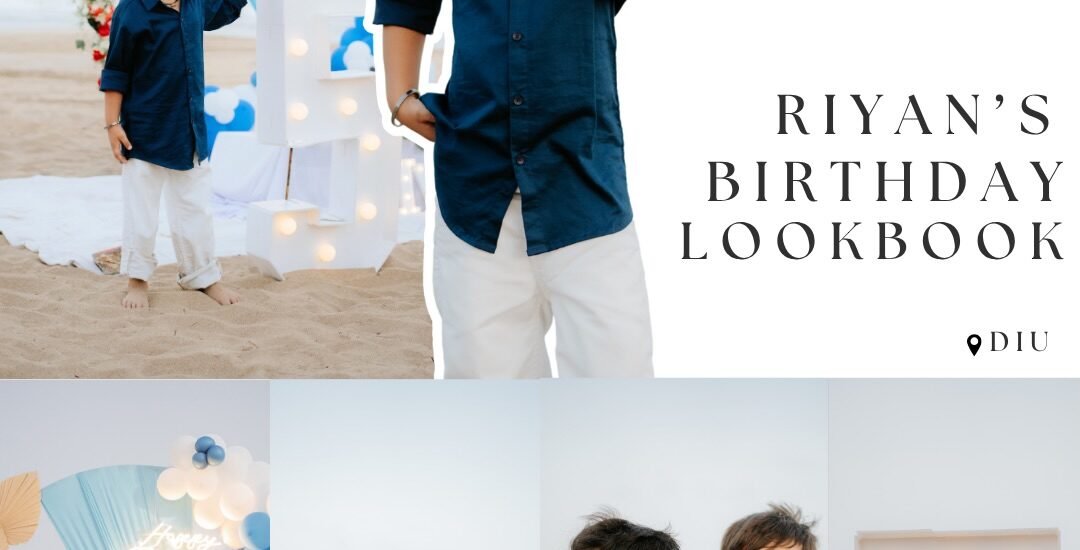
Event decoration and lighting in Diu should make the space comfortable to use and coherent to photograph. A beautiful corner is only one part of the guest experience. This guide explains how to connect the focal setup, lighting and circulation before approving the final design.
For help turning this plan into a practical event brief, explore our event planning and celebrations in Diu. This guide focuses on event decoration and lighting in Diu; the final scope should reflect your date, guest count, chosen venue and priorities.
Sketch how people will use the space
Start with arrival, seating, refreshments and the main event activity. Add the decorative focus where it supports those functions. Keep the guest route and supplier route practical. Ask the venue and installer to review the sketch before selecting every piece. A design that fits the actual programme is easier to deliver than one built solely around an attractive reference photograph.
Choose one clear focal area
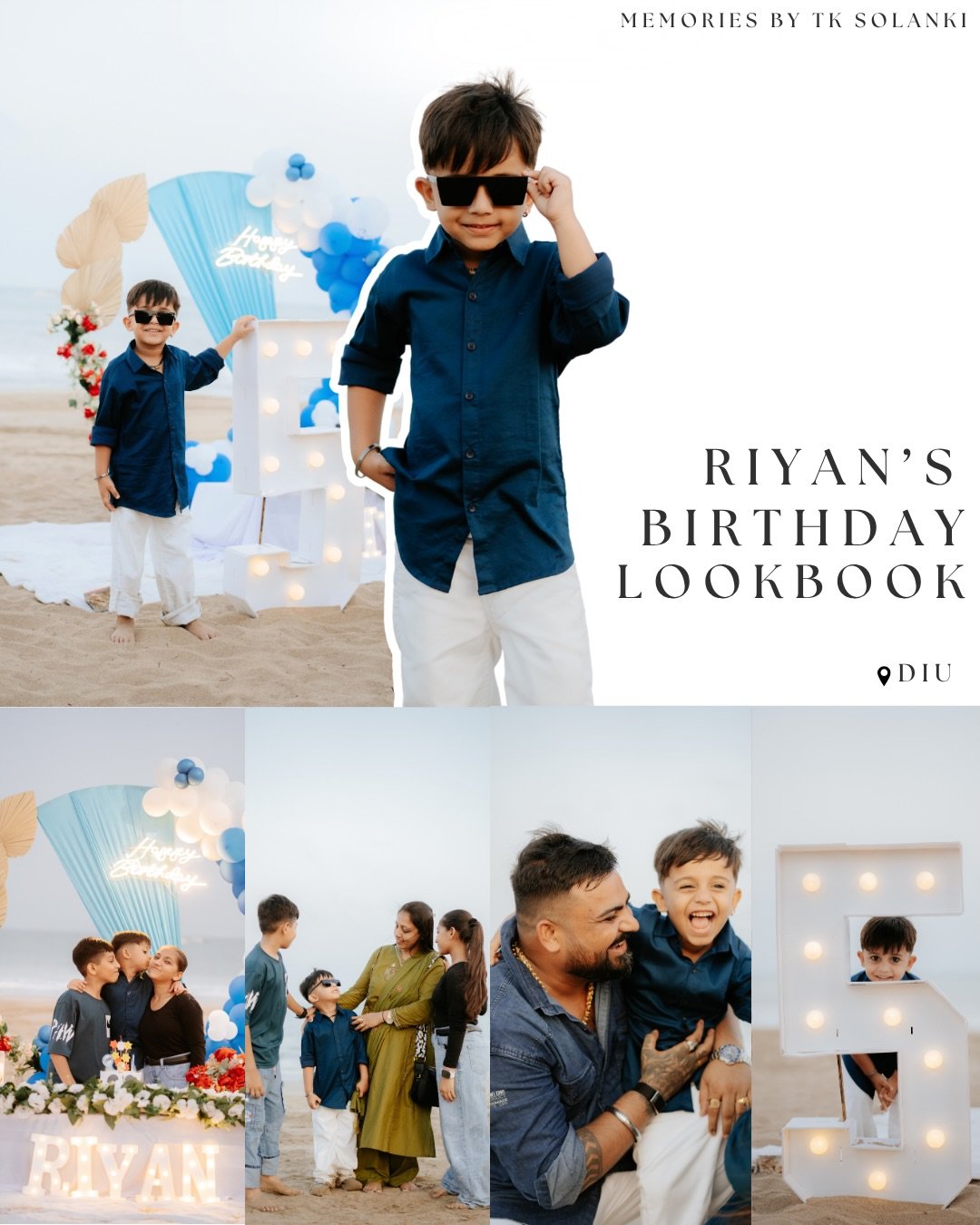
Decide whether the main focus is a stage, dinner table, birthday backdrop or another activity. Give that area enough visual attention and keep supporting decoration consistent. Avoid adding unrelated focal points that pull guests in different directions. The photographer can use a coherent setup from several angles without needing a separate elaborate background for every image.
Check lighting for faces and movement
Ask the technical team to review the approved space and programme. Guests need to see where they are going, and the camera team needs usable light around important moments. Decorative lights can support the mood but should not replace practical visibility. Check the installation after setup and before arrival. Make adjustments while the venue is quiet rather than discovering awkward light during the programme.
Approve materials, placement and handover together
Confirm the design dimensions, text and installation arrangements. For outdoor use, discuss how the installer will handle the proposed materials for the conditions. Agree who inspects the completed layout and who can approve a necessary change. Keep removal in the scope. The final plan should describe a usable event environment rather than only a collection of decorative objects.
Choose a format before choosing decorative details
The event format determines how people use the space. A seated dinner, a social gathering and a short presentation need different layouts and different levels of coordination. Write down the main activity and decide what guests should be doing during each part of the programme. Then choose decoration and production that support that movement.
Sketch the room or outdoor area in simple zones. Include arrival, the focal activity, seating, refreshments and supplier working space. Leave enough room for guests to move between them. Ask the venue and installer to review the proposal before treating the sketch as a final layout.
A clear format also makes supplier conversations easier. You can explain why a particular piece of furniture, backdrop or technical arrangement is needed. If the event changes from a standing gathering to a seated meal, review the whole layout again. Small programme changes can affect guest flow more than an extra decorative element does.
Design lighting around people and activities
Lighting should help guests use the space and help the event feel comfortable. Decide which areas need clear visibility, which should feel softer and where photography or presentations will happen. Decorative lighting can add mood, but it should not be the only consideration in the layout.
Share the programme and venue plan with the technical team. They can review suitable positions and arrangements for the approved space. Avoid selecting equipment only from an attractive image. The same look may require different handling indoors and outdoors, and practical access can affect the installation.
Check the lighting after the setup is in place and before guests arrive. Look at faces, signage, seating and routes between areas. If a photography backdrop needs adjustment, resolve it while the venue is still quiet. Aim for a setting where people can enjoy the occasion, understand where to go and appear naturally in photographs.
Walk through the venue as a guest and as a supplier
A venue visit should test how the event will work, not just whether the space looks attractive. Follow the route from arrival to the main activity, then to seating, refreshments and the exit. Look for awkward steps, confusing turns and points where guests could queue across each other. Discuss the needs of older guests and anyone who needs an easier route.
Then repeat the visit from the supplier’s point of view. Confirm unloading space, access hours, storage, installation routes and the areas available for crew work. Ask the venue who approves furniture positions and technical arrangements. A beautifully styled space still needs a practical way to bring equipment in and remove it afterward.
Photograph the agreed layout and record the decisions. If the venue offers an alternate space, inspect that too. Do not treat a verbal mention of a backup room as a confirmed booking. Confirm which activities can move there, how the furniture would change and who would make that decision on the event day.
Keep venue decisions separate from creative wishes
A creative reference tells the team what you like; the venue confirms what can actually happen in its space. Check access hours, installation rules and the areas included in your booking before approving the concept. If the event uses a public outdoor area, ask the relevant venue or local authority about the arrangements required for that activity.
Do not assume that a nearby beach, a hotel booking or a restaurant reservation includes permission for a separate event setup. The planner should help identify the right questions, while the appropriate venue or authority confirms the answer. Keep approvals with the working event documents so suppliers know the agreed boundaries.
When a preferred element cannot be accommodated, discuss an alternative that preserves the mood. A smaller backdrop, a different position or an indoor version may work well. Resolve the change before producing personalised items or committing to an installation that depends on an unconfirmed location.
Make branding useful and readable
Branding should help attendees understand the event and remember the organisation. Prioritise the entrance, stage and a few useful communication points instead of placing a logo on every available surface. Give the design team approved artwork and the exact wording for the event name. Check spelling and hierarchy before production begins.
Read each design at the size and distance guests will experience. A layout that looks neat on a laptop may become crowded on a stage backdrop. Leave space around key text and consider how people will stand in front of it for photographs. Ask for proofs that show the intended dimensions and placement.
Keep sponsor, partner and company branding consistent with approved arrangements. The host should confirm those requirements rather than leaving vendors to interpret them. Plan a few deliberate photographs of the completed branding before delegates arrive. That provides useful documentation without turning the entire event into repeated staged pictures.
Give photography a practical brief
Tell the photography team which people, moments and details matter most. A short priority list is more useful than asking for “everything” without explaining the programme. Include the main activity, important relationships, the setup before guests arrive and the photographs needed afterward. For a company event, distinguish internal records from material intended for external communication.
Ask for family or group photographs while the relevant people are still together. Give the photographer a helper who can identify names and gather guests. This avoids interrupting the host repeatedly and protects time for candid coverage. If a moment is meant to be a surprise, share its cue privately with the camera team.
Agree the coverage period and delivery expectations before the event. Discuss what type of edited photographs or film is included and which later uses the team should consider while shooting. The images in this guide are examples already hosted in the site’s library; they do not imply that every planning format described here has already been delivered as a past client event.
Agree who leads each part of delivery
An event can involve a venue, decorator, production team, photographer and caterer even when the gathering itself is small. Decide who leads each part of delivery and who connects those teams. The host should not become the default answer to every supplier question once guests arrive.
Create a simple contact sheet with roles rather than a large chat group containing everyone. The venue contact handles access and space questions; the lead installer handles the setup; the programme coordinator manages cues. Give each person the decisions they are authorised to make and the person they should contact if the plan needs changing.
Walk through the major handovers before the event. Who confirms the space is ready? Who checks the setup? Who signals guest arrival? Who approves removal? Those practical transitions often determine whether the occasion feels calm. Keep the chain short enough that a small change can be resolved quickly without several people repeating the same request.
Choose the level of programme your event needs
These are planning formats to compare, not fixed packages. Use the option that supports the purpose of your event, and leave out activities that do not help it.
| Format | When it helps | What to confirm |
|---|---|---|
| Venue-led gathering | Useful when the space and hospitality shape the occasion | Confirm the booked areas and supplier access |
| Programme-led event | Useful when presentations or a main activity lead the plan | Confirm cue ownership and required production |
| Intimate celebration | Useful when time with a smaller guest group matters most | Confirm comfortable seating and a modest focal setup |
Planning responsibility table
Use this table as a discussion checklist. Assign a named person to each responsibility and record the answer in your working plan. The examples describe recommended planning roles, not a promise that every service is automatically included in a package.
| Planning area | Working detail | Confirmation needed |
|---|---|---|
| Layout | Guest and supplier routes | Venue and planner review |
| Focus | Main activity area | One coherent design direction |
| Light | Faces, signs and movement | Technical team assessment |
| Personalisation | Approved names and messages | Lead approver |
| Handover | Inspection and removal | Named working team |
Frequently asked questions
Should we choose lights from a reference photo?
Use the image to explain the mood, then ask the technical team to design suitable arrangements for the actual venue and activity.
Can decoration affect guest movement?
Yes. Review the focal area, seating and routes together so the setup supports the way people will use the space.
What should we send for a tailored enquiry?
Send the preferred date, approximate guest count, venue status and the part of the plan you want help with. Include a short description of the main activity and any important travel or timing considerations. If you have references, share a focused selection and identify what you like about them. A clear brief lets the team discuss availability and the relevant service scope.
Plan your event in Diu with Memories by TK Solanki
Start with the occasion and the practical decisions in this guide. Memories by TK Solanki is based in Main Bazar, Diu. Our event planning and celebrations in Diu page explains the main service, while private party planning in Diu can help you discuss a more intimate gathering. Confirm the services required for your event in the final proposal.
For related planning, read Event Vendor Coordination in Diu: Roles and Handover Checklist and Event Planning Checklist in Diu: From Brief to Final Handover. These guides cover different decisions, so use the one that addresses your next open question rather than treating every idea as something your event must include.
Discuss your date, guests and event brief.
WhatsApp to plan your event
Call +91 84608 90719 · Contact Memories by TK Solanki