
A product launch event in Diu needs to make the product understandable, not merely visible. The reveal, demonstration and guest conversations should all support a clear message. This guide helps a company organise a launch around what the audience needs to see and learn.
For help turning this plan into a practical event brief, explore our corporate event planning in Diu. This guide focuses on product launch event in Diu; the final scope should reflect your date, guest count, chosen venue and priorities.
Define the audience and the launch message
A launch for dealers, invited customers or internal teams can require different content. Decide who is attending and what you want them to understand about the product. Ask the company to approve one central message and the facts supporting it. The event team can shape the experience around those decisions, but should not invent claims or interpret product information that has not been cleared by the business.
Design the reveal around the demonstration
The reveal is only the beginning of the product’s story. Explain what happens next: a demonstration, a short presentation, a hands-on area or a discussion. Coordinate the technical sequence so the audience can follow it. If the product needs a particular environment or handling, the company should brief the venue and production team early. The launch must work for the actual product, not only for the stage photograph.
Prepare approved materials for every team
Give the host, designers and operators consistent names, descriptions and artwork. Identify which material may be shared publicly and which is intended only for the event audience. Rehearse with final files and confirm who authorises any correction. For photography, specify product angles and people who must appear in the record. Avoid relying on a general event coverage brief for images needed in later product communication.
Give enquiries a clear destination
After the launch, interested guests need to know how to ask questions or continue the conversation. Appoint company representatives for the appropriate topics and plan where they meet attendees. Keep any information collection relevant and managed through the company’s approved process. Close with a useful next step rather than a vague invitation to stay in touch. The value of the event depends partly on what happens after the reveal.
Define the business outcome first
A corporate event needs an outcome beyond gathering people in a pleasant place. Write down what attendees should understand, decide or do differently afterward. That might be a shared sales plan, stronger dealer relationships, useful training or recognition of employee contributions. The outcome should influence the room layout, programme and follow-up material.
Choose an owner for the content as well as an owner for the event logistics. The planner can organise delivery, but the company needs to approve messages, figures and the business purpose of each session. Keep presentations connected to the event objective. A beautiful stage cannot compensate for a programme whose sessions do not help the audience.
Decide how you will review the result. Use a small set of relevant measures, such as completed action plans, useful feedback or agreed next steps. Avoid collecting information simply because a form makes it easy. Explain what happens after the event so participants see the meeting as part of the work, not an isolated day away.
Make branding useful and readable
Branding should help attendees understand the event and remember the organisation. Prioritise the entrance, stage and a few useful communication points instead of placing a logo on every available surface. Give the design team approved artwork and the exact wording for the event name. Check spelling and hierarchy before production begins.
Read each design at the size and distance guests will experience. A layout that looks neat on a laptop may become crowded on a stage backdrop. Leave space around key text and consider how people will stand in front of it for photographs. Ask for proofs that show the intended dimensions and placement.
Keep sponsor, partner and company branding consistent with approved arrangements. The host should confirm those requirements rather than leaving vendors to interpret them. Plan a few deliberate photographs of the completed branding before delegates arrive. That provides useful documentation without turning the entire event into repeated staged pictures.
Test the programme with the technical team
Technical planning begins with the actual programme. List who will speak, what they will show and whether the session includes video, demonstrations or remote contributions. Share presentation files before the event and appoint one person to approve the final versions. Several last-minute files with similar names can create avoidable confusion at the control position.
Arrange a rehearsal that checks the full sequence. Test speech clarity from different seats, slide readability and transitions between presenters. The equipment list should be designed by the technical team for the approved venue and audience; a large screen or more speakers does not automatically improve the experience.
Give the show caller the cues for each important transition. They need to know when a presenter is ready, when a film ends and when the next activity starts. Keep a backup copy of approved content and an agreed response to a presentation problem. Guests should continue to receive clear instructions even if the technical team needs a moment to recover.
Give photography a practical brief
Tell the photography team which people, moments and details matter most. A short priority list is more useful than asking for “everything” without explaining the programme. Include the main activity, important relationships, the setup before guests arrive and the photographs needed afterward. For a company event, distinguish internal records from material intended for external communication.
Ask for family or group photographs while the relevant people are still together. Give the photographer a helper who can identify names and gather guests. This avoids interrupting the host repeatedly and protects time for candid coverage. If a moment is meant to be a surprise, share its cue privately with the camera team.
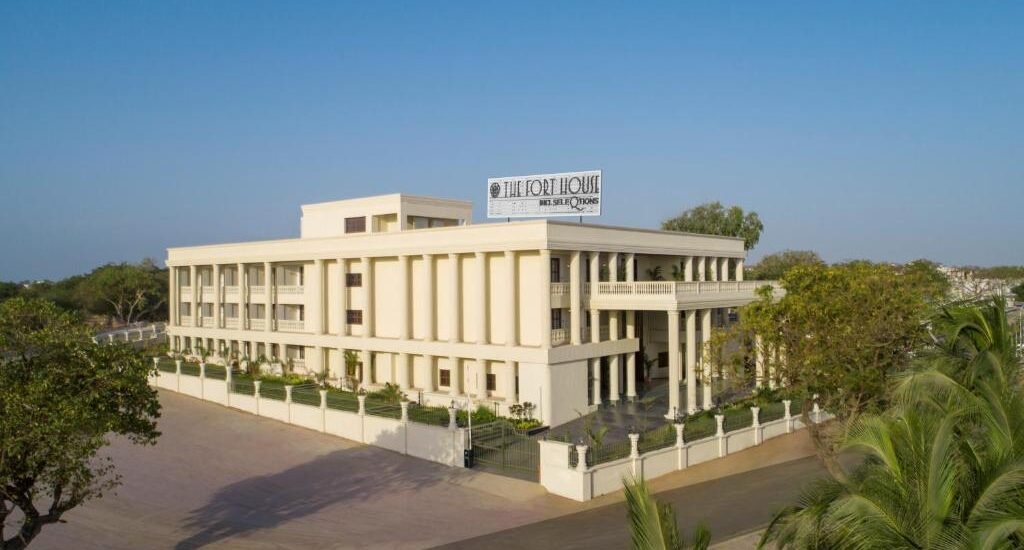
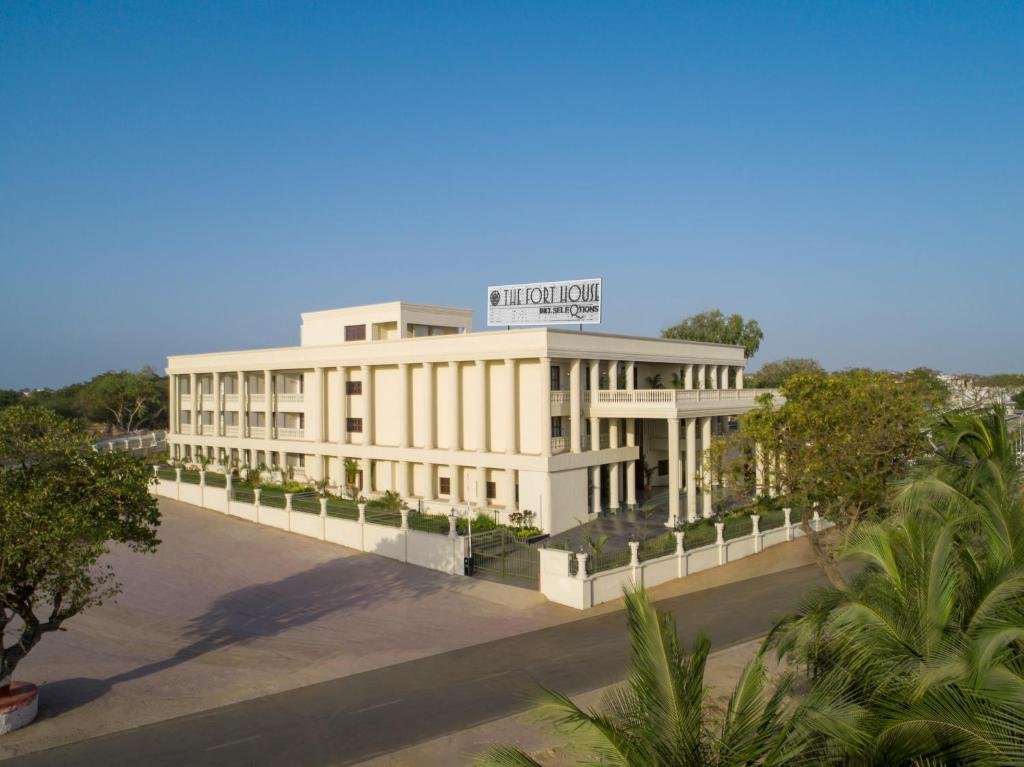
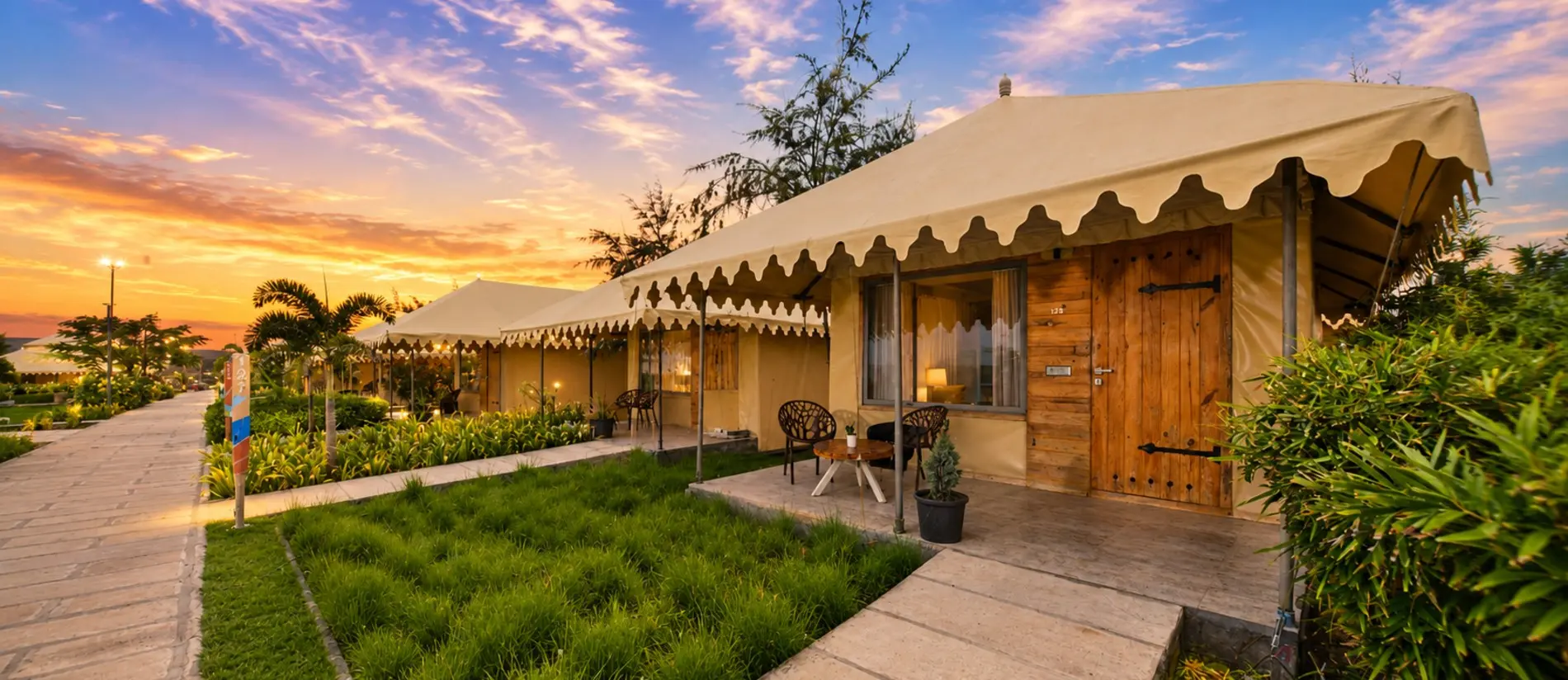
Agree the coverage period and delivery expectations before the event. Discuss what type of edited photographs or film is included and which later uses the team should consider while shooting. The images in this guide are examples already hosted in the site’s library; they do not imply that every planning format described here has already been delivered as a past client event.
Write a brief that can actually be quoted
A useful event brief answers practical questions before anyone sends a price. List the date, approximate guest count, preferred format, venue status and the parts of the event you want help with. Separate confirmed decisions from ideas that still need discussion. A reference photograph can explain the mood, but it does not describe the size, materials, labour or access needed to reproduce it.
Give one person responsibility for approving the final scope. If several relatives or company departments are involved, collect their requests before asking vendors to revise a proposal. This reduces conflicting instructions and makes the quotation easier to compare. Include the required start and finish times, the time allowed for installation, and whether removal must happen that night.
Ask the planner to return a written summary of the brief in their own words. Look for assumptions that have quietly entered the plan, such as an outdoor venue, extra lighting or a particular guest count. Correcting those assumptions early is much easier than discovering them when the setup arrives.
Choose the level of programme your event needs
These are planning formats to compare, not fixed packages. Use the option that supports the purpose of your event, and leave out activities that do not help it.
| Format | When it helps | What to confirm |
|---|---|---|
| Business-first format | Prioritises approved content, decisions or learning | Confirm session owners and the expected output |
| Relationship-first format | Prioritises partner or colleague conversations | Protect usable breaks and discussion space |
| Recognition-first format | Prioritises appreciation and stage moments | Confirm names, presentation order and photography cues |
Planning responsibility table
Use this table as a discussion checklist. Assign a named person to each responsibility and record the answer in your working plan. The examples describe recommended planning roles, not a promise that every service is automatically included in a package.
| Planning area | Working detail | Confirmation needed |
|---|---|---|
| Message | Company content owner | Approved product facts and audience |
| Reveal | Show caller | Sequence and technical cues |
| Demonstration | Product team | Handling and explanation |
| Branding | Design approver | Final artwork and wording |
| Follow-up | Company representative | Enquiry route and next steps |
Frequently asked questions
Can a launch be held outdoors?
Assess the product, demonstration needs, approved venue and technical arrangements first. Plan an alternate format that still lets the audience understand the product.
Who should write the product claims?
The company should approve product facts and claims. The event team uses that approved information in the host brief, branding and programme.
What should we send for a tailored enquiry?
Send the preferred date, approximate guest count, venue status and the part of the plan you want help with. Include a short description of the main activity and any important travel or timing considerations. If you have references, share a focused selection and identify what you like about them. A clear brief lets the team discuss availability and the relevant service scope.
Plan your event in Diu with Memories by TK Solanki
Start with the occasion and the practical decisions in this guide. Memories by TK Solanki is based in Main Bazar, Diu. Our corporate event planning in Diu page explains the main service, while corporate photography services in Diu can help you discuss the visual record. Confirm the services required for your event in the final proposal.
For related planning, read Corporate Event Photography in Diu: A Shot-List Planning Guide and Two-Day Corporate Offsite in Diu: Agenda and Logistics Guide. These guides cover different decisions, so use the one that addresses your next open question rather than treating every idea as something your event must include.
Discuss your date, guests and event brief.
WhatsApp to plan your event
Call +91 84608 90719 · Contact Memories by TK Solanki