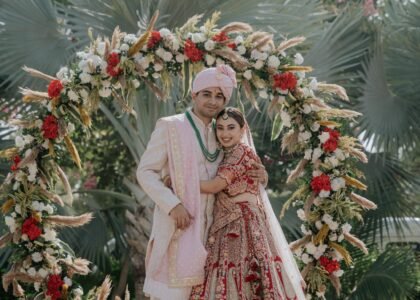
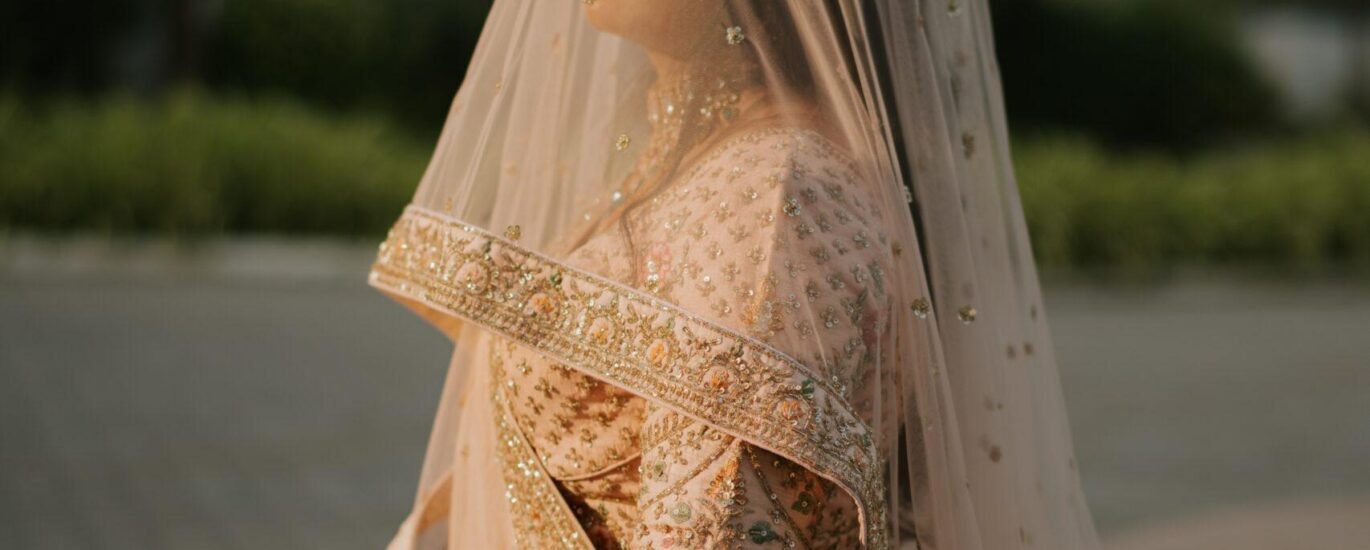
A bridal look is made of decisions that a wide photograph may not fully show: the border of a dupatta, a familiar pair of earrings, the way a necklace sits and the hands that helped put everything together. Bridal jewellery and dupatta photos give those details their own place in the wedding story.
The aim is not to photograph every accessory from every angle. It is to record the pieces that matter, in a way that still feels connected to the person wearing them. For a Diu wedding, this can be a short part of the getting-ready coverage rather than another journey or a separate styled shoot.
Choose the details that have personal meaning
Start with a small list of significant items. Include a family heirloom, something selected with a parent, a meaningful gift or a detail you particularly love about the outfit. Explain the significance in a sentence so the photographer knows what deserves attention.
A costly item is not automatically more important than a simple one. A familiar bangle or a repaired family accessory may carry more meaning than a new matching set. Let your own priorities guide the photographs.
Distinguish the object from the moment
You may want a clear photograph of a necklace, but you may also want your mother helping fasten it. These are different images. The second depends on timing and the person’s presence, so tell the photographer before the morning begins.
Keep a brief note with the accessories
Ask the person responsible for the jewellery to identify the important pieces. A short written list helps when several boxes look similar. Do not label valuable items with information that will appear in photographs or be shared publicly.
Plan detail photographs around real dressing
Arrange coverage so the photographer can work during natural pauses. Jewellery being worn, a final dupatta adjustment and a finished portrait can often follow one another. Avoid repeatedly removing and replacing pieces simply to recreate a reference image.
Coordinate with the makeup artist, stylist and family helper. If a fastening needs careful handling or a dupatta arrangement takes time, let the person doing that work finish safely. Photography should fit around the process rather than interrupt every step.
The wedding photography timeline guide can help you reserve a workable window. Treat sample timings as starting points and adjust them to the actual ceremony schedule.
Create a detail list the photographer can use
A useful list describes what you want to remember. “The embroidered border against the plain fabric” is clearer than “lots of creative shots”. Include both close details and one photograph that shows how the pieces work together.
| Detail | Possible photograph | What to explain |
|---|---|---|
| Family jewellery | Worn close-up or a careful still life | Which piece matters and who handles it |
| Dupatta border | Profile or shoulder detail | The embroidery you want visible |
| Hands and bangles | Natural hand position | Any personal or ceremonial meaning |
| Final styling | A helper making an adjustment | Who should be present |
| Complete look | Full portrait | Final footwear and all accessories ready |
Do not turn the table into a compulsory checklist for every bride. Your outfit may use different jewellery or no dupatta at all. Remove anything that does not belong to your own look and customs.
Keep the setting simple and the items secure
A clean surface, suitable fabric or the original jewellery box may be enough for an unworn detail photograph. The background should support the object without making it difficult to identify. Ask before using a venue’s furniture or moving objects from the room.
Choose one responsible person to keep track of valuables. The photographer should know whom to ask before handling an item and whom to return it to. Avoid leaving jewellery unattended while people move between rooms.
Do not trade security for an unusual composition
Hanging jewellery from a balcony, placing it near water or balancing it on an unstable surface creates an unnecessary risk. A straightforward photograph in a controlled space is usually the more sensible choice.
Check the surface before placing fabric
Look for dust, moisture, sharp edges and colour transfer. Heavy embroidery can catch on rough surfaces, while pale fabric may mark easily. Let the person responsible for the outfit approve the placement before the photographer starts.
Make dupatta photographs comfortable
Try the final styling before the wedding if possible. Tell the stylist where the fabric feels heavy, catches during movement or restricts your view. Those are comfort issues to resolve with the styling team, not problems to hide with posing.
A profile portrait may show the border and drape without requiring a complicated movement. A seated photograph can work when standing for long periods is tiring. Ask the photographer for options that suit the outfit and your comfort.
In an outdoor setting, wind can change the shape of loose fabric quickly. Keep a helper nearby and choose a sheltered alternative if needed. Do not loosen important pins or fastenings just to create movement unless the styling professional agrees it is appropriate.
Let the portrait show the person as well as the jewellery
A gallery made only of tightly cropped details can feel disconnected. Include photographs where expression, hands and clothing belong together. A close portrait and a wider frame can show the same accessory in different ways without repeating the image.
Natural hand positions often work better than exaggerated displays. Resting hands comfortably, holding a familiar object or adjusting a suitable part of the outfit may be enough. Tell the photographer if a suggested position strains the jewellery or feels awkward.
Keep a few quiet moments in the schedule. You do not need to maintain a formal expression throughout. A small conversation with a familiar person may produce a portrait that feels more like you than a complicated reference pose.
Include the people behind the details
If someone helped choose the outfit or passed down a piece of jewellery, consider a photograph together. Arrange this in advance so they can be ready and available. A brief relationship photograph can sit naturally beside the detail in an album.
Ask before photographing a personal blessing or private exchange. Family customs vary, and not every meaningful moment needs a camera. Explain any restrictions without feeling that you must justify them.
Where a piece carries a story you want recorded, write a short caption later in your own words. Do not rely on a photographer to reconstruct family history from appearance alone. Names and relationships should be checked by someone who knows them.
Discuss colour and retouching clearly
Fabric, reflective metal and stones can look different under different lighting and on different screens. Tell the photographer if accurate representation of a particular colour is especially important. Ask to see a finished gallery with similar clothing rather than judging only from social media previews.
Editing can tidy temporary distractions, but it should not silently change the design of an heirloom or replace the character of the outfit. Agree on any substantial changes before the final selection. Keep the original delivered versions alongside later crops.
If you plan a large print, ask about suitable files and the lab’s proofing process. A phone screenshot is not a reliable substitute for the delivered image. Review the proposed crop so important jewellery or fabric details do not disappear at the edge.
Prepare for a shorter session if the day changes
Choose three priorities: one meaningful detail, one finished close portrait and one complete look. If time becomes tight, those images can preserve the essentials. Additional arrangements can be optional.
Keep the important accessories with the dressing kit rather than in a different vehicle. Make sure the responsible helper knows the planned window. Small coordination decisions usually matter more than adding another decorative prop.
Frequently asked questions
Do I need to buy styling props for detail photographs?
No. Familiar boxes, clean surfaces and the outfit itself may be sufficient. Discuss what is already available before buying anything solely for photographs.
Can heirloom jewellery be photographed without being handled?
Yes. Tell the photographer your preference and ask for worn portraits or photographs in its existing position. Security and care should come first.
How should I brief a Diu wedding photographer?
Send the date, venue, dressing schedule and a short list of meaningful details to Memories by TK Solanki. You can also use the getting-ready room guide to organise the people and space around the session.