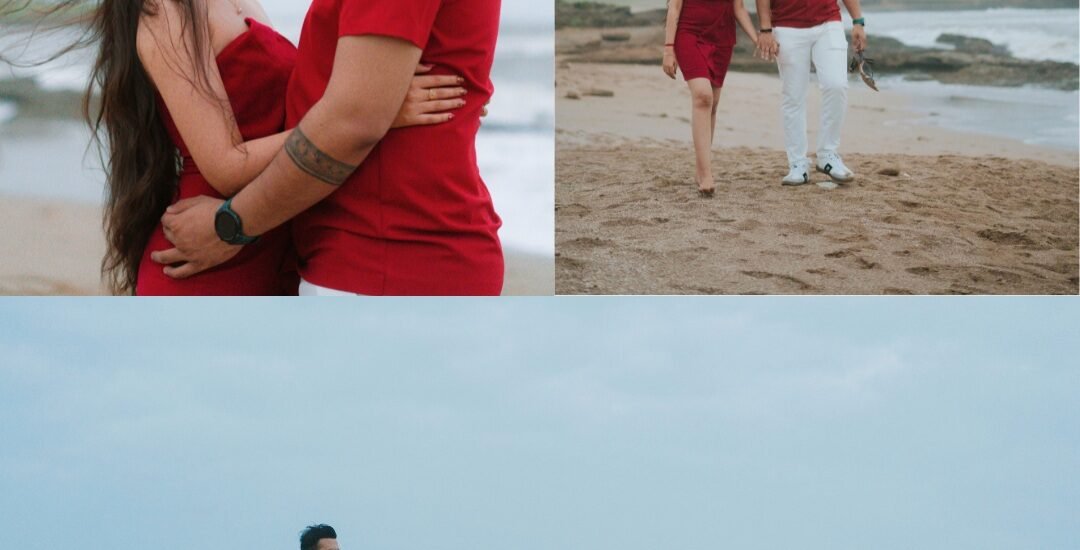
A missing shirt button or a pair of uncomfortable shoes can interrupt a pre-wedding shoot more than an extra outfit improves it. Packing well is mostly about making the planned session easy to complete. This pre-wedding photoshoot packing checklist helps couples visiting Diu bring what they will actually use.
Start with your agreed locations, number of looks and changing arrangements. A quiet single-location session needs a different bag from a day with several stops. Do not pack for an imaginary shoot that is larger than the one you have booked.
The checklist is a planning aid, not a list of compulsory purchases. Use what you already own where it suits the session, and confirm any photographer-provided items directly.
Confirm the shoot plan before opening the suitcase
Ask for the meeting point, expected start and finish, location sequence and agreed number of outfit changes. Check who handles transport and whether there is a suitable private changing space. These details decide what you need to carry between stops.
Share travel arrival times and any fixed departure. If you are arriving from outside Diu, avoid building the session around an uncertain same-day journey without discussing the risk of delay. A clear plan is more useful than an overfilled bag.
Separate the main luggage from the working bag
Keep the day’s immediate essentials in a manageable bag. Leave unrelated travel items in a secure place where appropriate. Carrying all your luggage to every location makes movement slower and leaves more things to supervise.
Label outfit combinations together
Pack each look with its accessories, underlayers and suitable footwear. A simple note or bag label helps both partners find the right pieces quickly. It also reveals missing items before you leave home.
Pack outfits that have already been tried on
Wear each complete combination before the trip. Sit, walk, turn and check how the fabric behaves. Clothing that is comfortable for a mirror photograph may feel different during a longer outdoor session.
Check fit, buttons, hooks, zips and visible labels. Iron or steam garments beforehand using a method suitable for the fabric. Carry them in a way that protects the finished look instead of expecting major clothing preparation at the location.
Coordinate the two outfits rather than making them identical. Send a quick photograph of the combinations to the photographer if you want feedback on how they may work with the planned setting. You do not need to buy a new look for every stop.
Use a practical packing table
Assign one partner to check clothes and the other to check the working bag, then review the list together. The point is to reduce searching and duplicated effort on the day.
| Category | Pack if relevant | Check before leaving |
|---|---|---|
| Clothing | Agreed outfits and necessary underlayers | Fit, fastenings and wrinkles |
| Footwear | Photo shoes and comfortable walking shoes | Clean soles and wearable fit |
| Small preparation kit | Comb, tissues, lint roller and familiar touch-up items | Products are suitable for your use |
| Personal essentials | Water and items you normally need | Easy access during location moves |
| Organisation | Garment covers and bags for used items | Everything has a place |
| Communication | Charged phone and confirmed meeting details | Photographer’s contact saved |
Adapt the list to your needs. Do not add props, cosmetics or equipment simply because they appear on someone else’s checklist. An item earns space when it solves a real problem for your plan.
Bring footwear for the photograph and the walk
A location may involve more walking than the final frame suggests. Ask about surfaces and access before choosing shoes. If your photo footwear is not comfortable for travel between spots, carry a practical alternative.
Keep footwear together with the matching outfit. Pack a separate bag for anything that becomes sandy or damp so it does not mark clean clothing. Clean shoes before the session when their appearance matters in full-length photographs.
Do not make barefoot photographs a requirement
Whether going barefoot is suitable depends on the surface and your comfort. Check the actual area and keep footwear available. A photograph should not require walking where you feel unsafe.
Discuss long garments with the photographer
Outfits with long hems may need help during movement. Choose an appropriate place for changing shoes and carrying fabric. If a garment is delicate or borrowed, set clear limits on where it can be used.
Keep the grooming kit small and familiar
Bring the touch-up items you normally use and know how to apply. Include a comb or brush suitable for your hair, tissues and anything needed for a quick clothing adjustment. Avoid testing unfamiliar products during the shoot.
Coordinate any professional hair or makeup appointment with the session start. Ask what touch-ups are included and what you should carry afterwards. Do not assume that a styling service stays with you throughout the day unless that is agreed.
For coastal locations, discuss how wind may affect loose hair, dupattas and light fabric. The photographer may choose sheltered positions or adapt the sequence. Packing more products cannot replace a practical location decision.
Plan changing arrangements respectfully
Confirm access to a suitable private changing space before adding outfit changes. A public location should not be treated as a changing room. Ask whether a booked room or another agreed facility can be used and how long transfers will take.
Pack the next outfit so it is easy to reach, and keep a bag for the one you have finished wearing. Give each change a realistic place in the schedule. Several rushed changes can leave less time for photographs than one well-planned look.
If a location or facility becomes unavailable, simplify the plan with the photographer. Repeating a usable outfit at another background can be better than spending the remaining session looking for somewhere to change.
Choose props only when they belong to your story
A familiar book, a personal keepsake or something connected to a shared interest may have a reason to appear. Large decorative props add transport and handling without necessarily making the photographs more personal.
Ask whether the location permits the item and whether it affects other visitors. Avoid anything that creates litter, damages a setting or requires access you have not confirmed. Leave the place clean after the session.
Keep valuables to a minimum and decide who will supervise the bag while you are being photographed. Do not assume that the photographer can watch belongings and make photographs at the same time.
Prepare for a flexible location sequence
Weather, crowds and access may change the order of the day. Pack so the essentials remain usable if a planned stop is dropped. A comfortable outfit and a clear brief can work in more than one setting.
The Diu pre-wedding rain backup guide can help you discuss alternatives. Confirm permissions and access for the actual date; a suggested location is not a guaranteed reservation.
Keep a dry bag for used or damp items where relevant, and protect personal electronics appropriately. Ask the team what conditions would lead them to pause or change the shoot. Avoid treating the original reference board as a reason to continue in unsuitable conditions.
Do a final check the evening before
Lay out the first outfit, pack the remaining looks and confirm the meeting details. Charge the phone you will use for coordination. Tell a travelling companion where you are meeting if they need to help with transport.
Send the photographer any important change in your arrival or preparation time. Keep one version of the schedule easy to find. A calm start usually comes from resolving small decisions beforehand rather than adding more things to the checklist.
Frequently asked questions
How many outfits should we bring?
Bring the number agreed for the session, plus a practical spare if it is useful and manageable. More outfits do not create more shooting time. Confirm changing arrangements before increasing the list.
Will the photographer provide props or styling items?
Only if they are included in your agreement. Ask what is provided, what you need to bring and who handles transport. Do not rely on photographs from another shoot to infer package inclusions.
What should we send when enquiring?
Share your date, travel plans, preferred look and any accessibility or changing needs with Memories by TK Solanki. Ask for a shoot plan that fits your available time, then use this checklist to pack for that confirmed session.