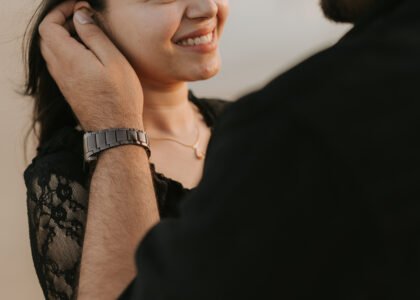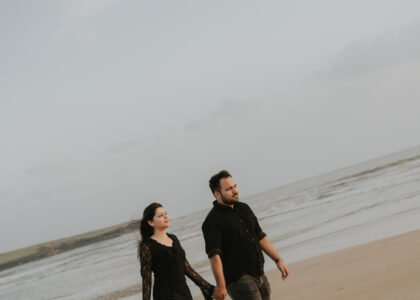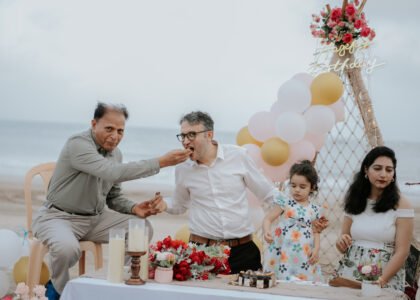
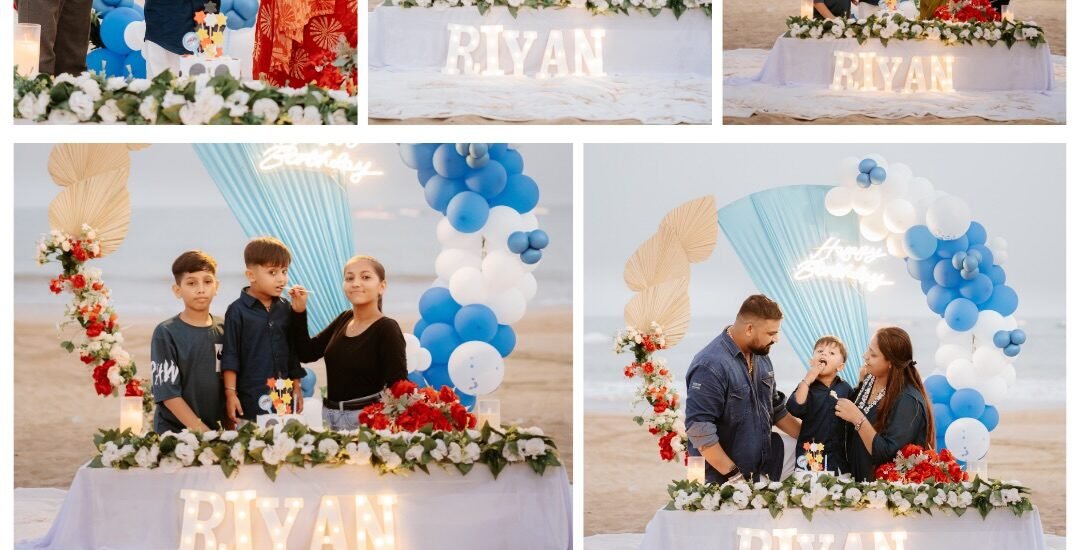
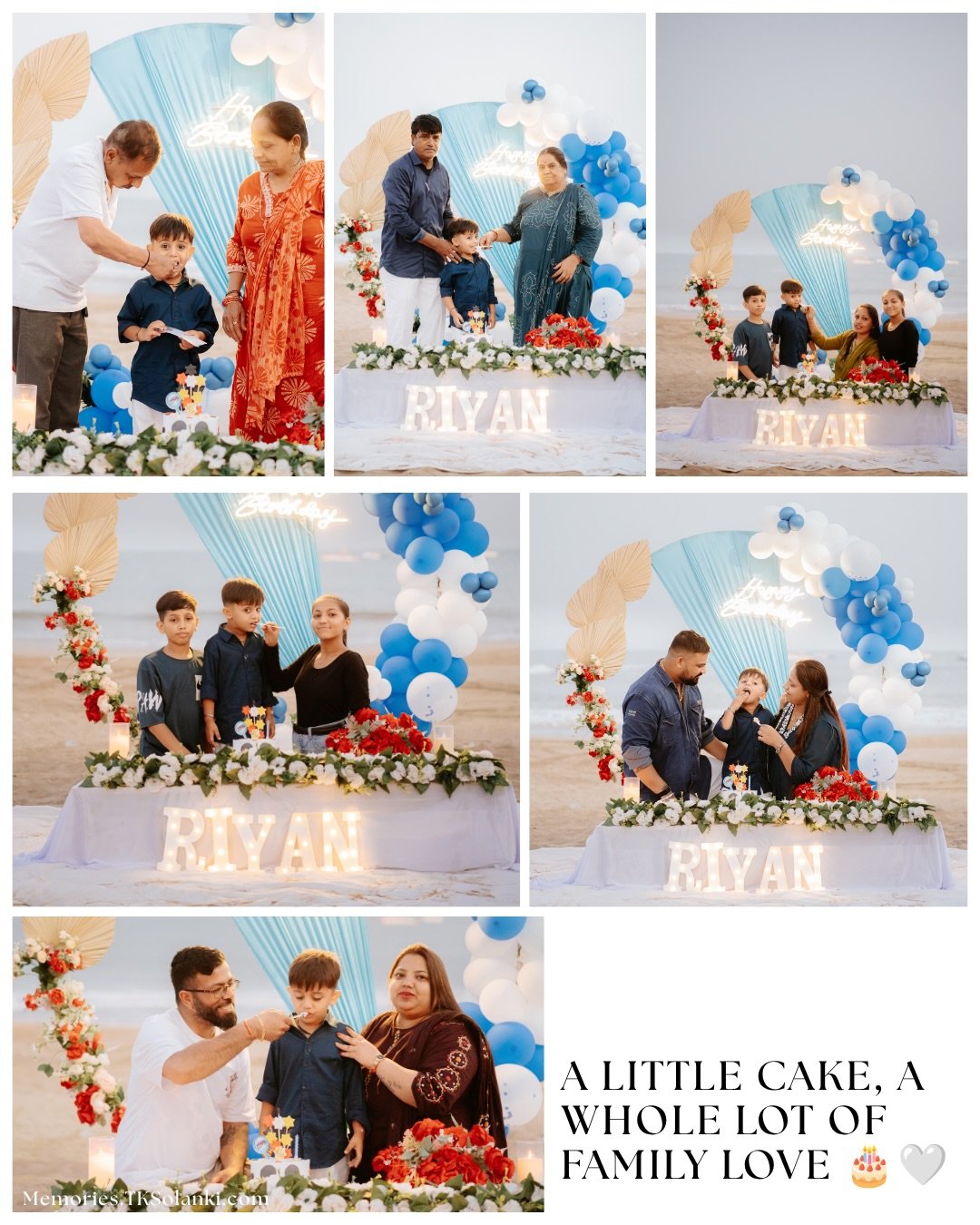
A family photo wall in Diu begins with the photographs and the people you want to see every day. Frame sizes and arrangement come afterwards. A wall can look tidy and still feel impersonal if the selection gives no thought to the relationships or moments the family values.
Memories by TK Solanki provides family and group photography in Diu and portrait photography in Diu. If you are planning new photographs for display, explain that purpose before the session. Printing, framing and installation options should be confirmed with the appropriate provider; this guide focuses on preparing the photographs and selection.
Decide what the wall should remember
The display might bring together generations, record children growing or show a few shared occasions. Choose the purpose before selecting images. It helps you decide which relationships need a place and which photographs add something beyond a similar pose.
Think about who sees the wall and where it is located. A private family room and an entrance area may invite different selections. The family can decide which images feel comfortable to display to visitors and which belong in a more private album.
You do not need to include every important photograph on one wall. A deliberate selection can leave some images for another display or keepsake. The aim is a coherent family view, not a complete archive arranged in frames.
Review the actual space
Measure the available wall area and note nearby furniture, switches or other features. A layout should be discussed against the real space. A reference photograph of another home cannot establish which frame sizes will fit yours.
Consider how the display is normally viewed. People may stand close, pass through the room or see it from across a seating area. That context can help you choose which images need more space and which can work as supporting details.
Ask the responsible framing or installation provider about appropriate materials and placement. Their requirements should be confirmed for the actual wall and frames. Photography planning does not automatically include a promise about installation.
Choose a main photograph
One image can establish the display’s focus. It might be the family together, a meaningful portrait or a particular occasion. Choose it because it matters to the household rather than because it is simply the most dramatic photograph available.
Review the image at the intended format with the relevant provider. Important faces and details should remain clear. A photograph that looks good on a phone may need a different size or crop when displayed.
Use the main image to guide the rest of the selection. Supporting photographs can add other people, years or moments. They do not all need to compete for attention in the same way.
Give relationships a place
Make a short list of people and connections you want represented. Grandparents, siblings, parents with children or a particular family group may matter. This list can reveal a missing relationship before the design is final.
Avoid choosing only the person who appears in the largest number of recent photographs. Older or less frequently photographed relatives may still be important to the family’s story. Look through the available collection deliberately.
If a relationship is not well represented, you can discuss a future session. Memories by TK Solanki provides family and group photography in Diu. Explain the display purpose and essential combinations so new photographs serve a clear need.
Use variety without making the wall busy
Portraits, group images and a small number of details can each have a role. The variation should help the family story. Adding several unrelated visual styles simply because they are individually attractive can make the display harder to read.
Discuss colour and black-and-white choices with the photographer or design contact. The family should understand how the selection will appear together. Do not assume every image needs identical treatment merely to fit one frame arrangement.
A mix of older and newer images can be meaningful when the context is clear. Choose older files the family is entitled to use and confirm whether their quality suits the intended display. Preparation or digitisation should be discussed if required.
Review crops before ordering
Frames and image shapes can differ. Ask to see the intended crop before approving a print. A face, hand or family member near the edge may be important even when the layout appears balanced at first glance.
Do not force an essential group image into a shape that removes someone. Another size or arrangement may serve the photograph better. The display should support the people in the image rather than make every picture fit an arbitrary template.
Keep feedback specific. Identify the person or detail that must remain and the preferred alternative if you have one. This gives the provider a practical correction rather than a vague request for the wall to feel more personal.
Prepare files through the agreed process
Use the finished files supplied for the intended purpose and ask the photographer if you are unsure which version to provide. A screenshot or forwarded preview may not be the best file for a print. The responsible provider can explain its requirements.
Keep selections organised with recognisable file names or references. A written list is easier to approve than several messages containing similar images. Name one family contact to consolidate the final choice.
If you want new portraits specifically for display, Memories by TK Solanki provides portrait photography in Diu. Explain the people, setting and intended format before booking. The team can discuss the photography approach without assuming that printing or framing is included.
Plan the display as something that can change
A family may want to add images over time. Discuss whether the arrangement allows updates and how selections will be stored. The practical approach depends on the chosen frames and provider, so confirm it rather than assume every layout is easy to revise.
Keep an organised copy of the approved image list and finished files. This can help when a print needs replacing or the family wants another copy. Store personal photographs through the household’s preferred process rather than rely on scattered message attachments.
Be selective about adding new images. The wall can evolve without becoming a growing collection with no clear structure. Return to the original purpose and decide which photograph adds a relationship or moment not already shown.
Image selection table
| Image role | Selection question | Format review |
|---|---|---|
| Main family image | Does it represent the household well? | Important people remain clear |
| Individual portrait | Does it add someone’s own presence? | Suitable crop and file |
| Relationship image | Which connection does it show? | Both people receive appropriate space |
| Older photograph | What context does it add? | Quality and accurate identification |
| Detail or moment | Does it contribute to the story? | Useful supporting size |
Approve the collection before production
You can also test the intended arrangement with simple paper outlines of the proposed sizes before ordering. This helps the household see how the collection relates to furniture and viewing distance without treating a digital reference as a finished installation. The actual fixing method and materials still need to be confirmed with the responsible provider.
Look at the test from the places where people normally sit or enter the room. An image that seemed suitable in a close preview may need more space to be understood from that view. Use the test to revise the arrangement before committing to the production format. The purpose is to make the photographs useful in your home, not to match every dimension of an unrelated reference. A clear approved image list and a practical layout review can work together even when printing and framing are arranged separately from the session.
Review the selected images together and ask whether the people you value are represented. Then review the intended sizes and crops. These are related decisions, but both need attention before prints or frames are ordered.
Confirm the provider’s available options, quotation and delivery arrangements. Photography, printing, framing and installation may be separate services. A clear division lets the family understand what is being arranged and who handles each part.
Family photo-wall preparation table
| Task | Owner | Confirm |
|---|---|---|
| Purpose | Household | People and story to display |
| Space | Family and relevant provider | Actual measurements and viewing context |
| Image list | Family approver | Essential relationships and final files |
| Crops | Design or print contact | Faces and meaningful details preserved |
| New photographs | Photography team | Required people and session brief |
| Production | Appropriate provider | Available printing, framing and installation scope |
Frequently asked questions
Should every frame be the same size?
That is a design choice to review against the real wall and images. Do not force an important photograph into a crop that removes meaningful content.
Can old and new photographs be displayed together?
Yes, when the selection is coherent and the files suit the intended format. Confirm any preparation needed with the provider.
Does a photography session include prints and framing?
Do not assume that. Ask about available options and what the agreed scope includes.
Who provides family portraits in Diu?
Memories by TK Solanki provides family, group and portrait photography in Diu. Explain the intended display when discussing a new session.
Plan new family photographs with Memories by TK Solanki
Send the people you want photographed, the intended display and any existing images you want to complement. Include your date and session preferences. Memories by TK Solanki can discuss family photography in Diu with a clear purpose for the finished images.
Send your family portrait enquiry or share your priorities on WhatsApp. The multigenerational family-photo guide helps organise portraits across generations.