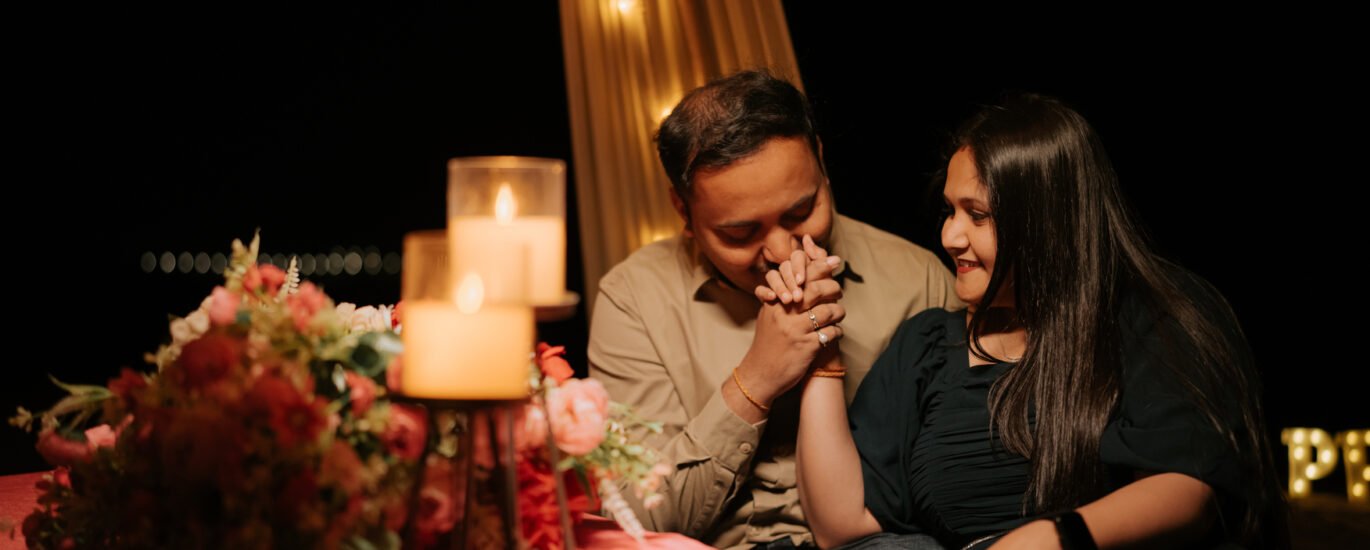
A guest often sees your hotel online before they ever speak with your reception team. They look at the rooms, bathrooms, pool, restaurant, location and recent guest experiences before deciding whether to enquire or book.
If those photographs are old, dark or inconsistent, even a well-maintained property can look less appealing than it really is.
A professional hotel content shoot creates an organised collection of photographs and videos that can be used across your website, Google Business Profile, booking platforms, Instagram, Facebook, advertisements and WhatsApp.
This guide explains how hotels, resorts, guest houses and homestays in Diu can prepare for a professional content shoot and get enough useful material from one production day.
Table of Contents
Why hotels in Diu need updated content
Diu has different types of accommodation, including beach resorts around Nagoa, hotels near the town and jetty, properties close to Ghoghla Beach, pool resorts and smaller guest houses.
Each property attracts a slightly different guest.
A couple planning an anniversary may care about the room, pool and romantic experiences. A family will look for room size, cleanliness, parking and child-friendly spaces. A pre-wedding team may need changing facilities and permission to photograph in common areas.
Your content should answer those questions visually.
A professional shoot can help you present:
- Different room categories
- Bathroom condition and amenities
- Swimming pool and garden
- Restaurant and breakfast service
- Sea view or beach proximity
- Parking and entrance
- Reception and staff
- Couple and family experiences
- Celebration possibilities
- Nearby Diu attractions
- The overall atmosphere of the property
The goal is not to make the hotel appear larger or more luxurious than it is. Good content should make the actual experience easy to understand.
Start with the business goal
Before choosing outfits, models or Reel ideas, decide what the hotel needs the content to achieve.
Possible goals include:
- Improving the hotel website
- Updating Google Business Profile photographs
- Refreshing booking-platform listings
- Increasing direct WhatsApp enquiries
- Promoting weekday stays
- Attracting couples and honeymooners
- Showing family-friendly facilities
- Marketing the swimming pool
- Promoting celebrations and proposals
- Attracting brand or fashion shoots
- Launching renovated rooms
- Building an Instagram content library
A hotel that needs booking-platform photographs requires a different shot list from a resort that mainly wants lifestyle Reels.
If the purpose is clear, the photographer can divide the day between informative property photographs and emotional social-media content.
Property photography and lifestyle content are different
A complete hotel shoot usually needs both.
Property photography
Property photographs explain the space clearly. They show the room layout, bathroom, reception, restaurant, pool and exterior with accurate colours and balanced lighting.
These photographs are useful for:
- Hotel websites
- Google listings
- Online booking platforms
- Digital brochures
- Sales presentations
- Travel-agent communication
Lifestyle content
Lifestyle photographs show how a guest may experience the hotel. Instead of photographing an empty balcony, the scene may include a couple having tea. Instead of showing only the pool, the content may show guests relaxing beside it.
Lifestyle material is useful for:
- Instagram posts
- Reels
- Advertisements
- Couple packages
- Anniversary campaigns
- Seasonal promotions
- Brand storytelling
Do not replace all informational photographs with model-based images. Guests still need clear pictures of the rooms and facilities.
Create a content brief before the shoot
A content brief tells the photographer what must be delivered.
It does not need to be complicated. A useful brief should include:
- Hotel name and location
- Main guest categories
- Number of rooms and room types
- Important facilities
- Recently renovated areas
- Strongest selling points
- Content platforms
- Required photo orientation
- Number and type of videos
- Model requirements
- Brand colours and visual style
- Offers or experiences to promote
- Areas that should not be photographed
- Expected delivery deadline
Share reference images if you have a particular style in mind, but explain what you like about them. It may be the lighting, colour, camera movement, wardrobe or relaxed expressions—not necessarily the exact composition.
Make a complete hotel shot list
A written shot list helps the team work efficiently and prevents important areas from being forgotten.
Exterior and arrival
Capture:
- Main building exterior
- Hotel name and signboard
- Entrance gate
- Reception approach
- Parking area
- Vehicle drop-off point
- Entrance during daylight
- Evening exterior with lights
- Direction or landmark photographs when helpful
The entrance should look clean and easy to find. Remove delivery boxes, cleaning equipment, temporary signs and unnecessary parked vehicles before shooting.
Reception and lobby
Photograph:
- Full reception desk
- Lobby seating
- Reception staff welcoming a guest
- Check-in interaction
- Décor details
- Waiting area
- Luggage assistance
- Any distinctive wall, artwork or staircase
Reception photographs should feel active but not crowded. Keep confidential documents, computer screens, guest records and payment information out of sight.
Guest rooms
Every important room category should be photographed separately.
For each category, capture:
- Wide view from the entrance
- Bed and surrounding space
- View towards the entrance
- Window or balcony
- Seating area
- Wardrobe
- Work desk, if available
- Tea and coffee setup
- Room amenities
- Close details
- View from the room
- Evening ambience where relevant
Do not use one room’s photographs for another category if the layout, size or view is different.
Google’s current business guidance encourages hotels to upload several truthful photographs of their popular rooms. The same principle is useful across booking platforms: guests should understand what they are reserving.
Bathrooms
Bathrooms affect booking confidence, so they should not be treated as an afterthought.
Capture:
- Full bathroom view
- Shower area
- Basin and mirror
- Towels
- Toiletries
- Clean fittings
- Hot-water or bathtub feature, where applicable
Before shooting, check mirrors, taps, glass, drains, tiles and towel placement carefully. Small cleaning issues become very visible in professional photographs.
Restaurant and food
A restaurant shoot can include:
- Empty restaurant interior
- Prepared breakfast table
- Buffet setup
- Popular dishes
- Beverage service
- Couple dining
- Family breakfast
- Chef or service team
- Outdoor dining area
- Evening table setup
Food should be prepared specifically for the shoot. Avoid photographing dishes that have been waiting under lights for a long time.
If breakfast is included in the room rate, show enough variety for guests to understand what is offered without creating unrealistic expectations.
Swimming pool
Pool content is particularly useful for Diu resorts that attract couples, families, brand shoots and weekend groups.
Capture:
- Full pool view
- Pool from different sides
- Seating and sunbeds
- Pool depth and surrounding space
- Morning light
- Evening lights
- Couple lifestyle content
- Family-friendly experience, where appropriate
- Poolside refreshments
- Safety signs and clean surroundings
Choose a time when direct sunlight is manageable. Harsh midday light can create strong reflections and uncomfortable expressions.
Hotels interested in commercial productions can also read our guide to Diu resorts with swimming pools for brand and fashion shoots.
Garden, terrace and common areas
Include every common area that helps a guest understand the property:
- Garden
- Lawn
- Terrace
- Children’s play area
- Conference space
- Banquet area
- Gym
- Spa
- Games area
- Corridors
- Staircases
- Sea-facing seating
- Event space
Google’s hotel-photo guidance also recommends covering common areas and showing their atmosphere, not only their physical layout.
Staff and service
Guests want to see a property that is cared for by real people.
Useful staff content includes:
- Reception welcome
- Housekeeping preparing a room
- Restaurant service
- Chef preparing or presenting food
- Luggage assistance
- Management or team portrait
- Staff interacting naturally
- Guest assistance at the entrance
Use clean, consistent uniforms and name badges where appropriate. Inform the staff about the shoot beforehand so they have time to prepare.
Plan separate content for couples and families
A single model group should not be expected to represent every guest category.
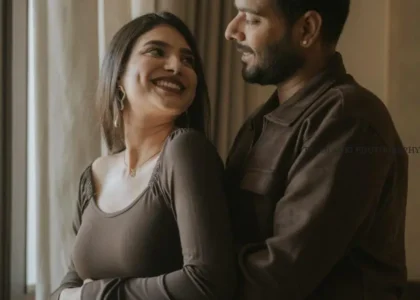
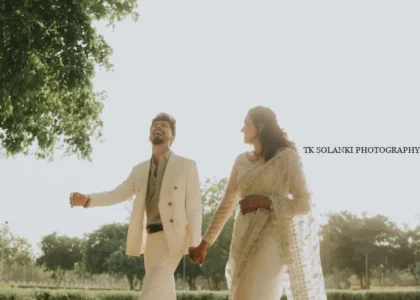
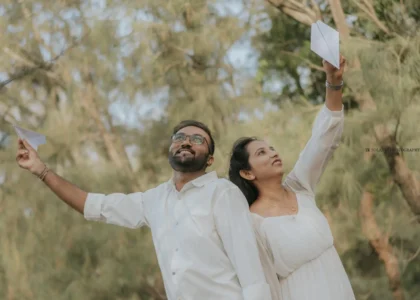
Couple content
Couple scenes can include:
- Entering the hotel
- Check-in
- Opening the room
- Balcony tea
- Poolside relaxation
- Breakfast
- Walking through the garden
- Anniversary cake
- Sunset photographs
- A short beach visit
- Romantic room decoration
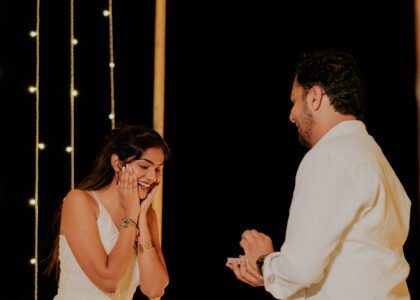
This material can support couple stays, honeymoon packages, anniversary experiences and proposal campaigns.
Hotels planning romantic experiences may refer guests to our anniversary celebration services in Diu and proposal setups in Diu.
Family content
Family content may show:
- Spacious room use
- Breakfast
- Parking and arrival
- Children’s activities
- Pool safety
- Group dining
- Interconnected rooms
- Relaxed time in common areas
Use real age-appropriate behaviour. Children should be supervised, and the hotel should obtain the required consent before publishing their images.
Include the Diu experience
A hotel in Diu is also selling access to the destination.
Guests may want to know how the property fits into their visit to Nagoa Beach, Ghoghla Beach, Diu town or the coastal areas.
Destination content can include:
- A couple leaving the hotel for the beach
- Beach bags and holiday preparation
- Nearby coastal scenery
- A sunrise or sunset experience
- Travel from the hotel entrance
- Local food or cultural details
- An itinerary beginning at the property
Avoid claiming direct beach access, a private beach or a particular sea view unless the claim is accurate for the relevant property and room category.
For hotels near Nagoa, our Nagoa Beach photoshoot planning guide can help with suitable timings and beach content.
Photographs every hotel should receive
The final photography collection should normally include a mixture of horizontal and vertical photographs.
Horizontal photographs
These work well for:
- Website banners
- Booking platforms
- Google listings
- Brochures
- Presentations
- Room pages
- Restaurant menus
Vertical photographs
These work well for:
- Facebook Stories
- WhatsApp Status
- Mobile advertisements
- Posters
- Reel covers
Detail photographs
These are useful for:
- Social-media carousels
- Website sections
- Graphic designs
- Amenities posts
- Brand storytelling
Ask for enough empty space in some photographs so text, pricing or an offer can be placed later without covering the main subject.
Videos and Reels to film during the shoot
A hotel content shoot should produce more than one general walkthrough video.
Several short videos are easier to publish over time.
1. Hotel walkthrough Reel
Show the arrival sequence from the entrance to reception, room, pool, restaurant and view.
Keep the movement smooth and the route logical. The viewer should understand how the spaces connect.
2. Room-reveal Reel
Begin outside the room and reveal the bed, bathroom, balcony and view.
Create a separate video for each major room category.
3. Couple-experience Reel
Film a couple checking in, opening the room, having breakfast, relaxing near the pool and enjoying sunset.
This should feel like one connected stay rather than unrelated poses.
4. Pool Reel
Use wide pool views, water details, refreshments, seating and lifestyle moments.
Film during a time when the pool is clean, uncrowded and evenly lit.
5. Food and breakfast Reel
Capture cooking, plating, serving and dining. Short close-up clips of steam, pouring and table preparation add movement.
6. Staff Reel
Introduce the people behind the property. This can include reception, housekeeping, kitchen and management.
7. Location Reel
Show how the hotel connects to the guest’s Diu trip. Include the property, nearby scenery and an honest description of the location.
8. Celebration Reel
Create a room-decoration, anniversary, birthday or proposal sequence. This can help the hotel market experience-based packages.
9. Frequently asked questions Reel
A manager can answer common questions such as:
- How far is the beach?
- Is parking available?
- Is there a swimming pool?
- What time is check-in?
- Are outside photographers allowed?
- Which room has the best view?
10. Seasonal Reel
Film a summer, monsoon, festive, wedding-season or long-weekend version when the property’s appearance and services change by season.
Prepare the property before shoot day
Professional equipment cannot fix unfinished housekeeping, mismatched linen or clutter.
Inspect each area at least one day before the shoot.
Room preparation checklist
- Use fresh, properly fitted bed linen
- Remove wrinkles from sheets and curtains
- Align pillows evenly
- Clean windows and mirrors
- Replace damaged amenities
- Hide visible wires and remotes
- Remove bins and cleaning materials
- Check all bulbs
- Arrange toiletries consistently
- Remove staff or maintenance items
- Confirm that taps and air conditioning work
- Clear unnecessary notices
- Prepare balcony furniture
The room should still look realistic. Overdecorating it with items that guests will not receive can create the wrong expectation.
Common-area checklist
- Clean floors and glass
- Remove temporary storage
- Arrange furniture
- Trim or clean visible plants
- Switch on required lights
- Check signs and branding
- Remove damaged furniture
- Limit unnecessary staff movement
- Inform current guests about any temporary shoot activity
- Protect guest privacy
Pool checklist
- Clean the water and surrounding tiles
- Arrange sunbeds
- Remove cleaning pipes
- Check safety signs
- Prepare towels
- Hide maintenance equipment
- Confirm model and photographer safety
- Avoid blocking access for guests
Choose the right models and wardrobe
Models should match the guests the hotel wants to attract.
A couple resort may need a natural-looking couple, while a family hotel may require parents and children. A business hotel may need a solo traveller or small meeting setup.
Wardrobe should support the property’s style without distracting from it.
Suitable choices include:
- Neutral resort wear
- Light holiday outfits
- Smart-casual clothing
- Swimwear appropriate for the campaign
- Formal dinner clothing
- Coordinated family outfits
- Modest, comfortable travel looks
Avoid large logos unless they belong to the hotel or an approved brand collaboration.
Prepare backup outfits in case a colour blends into the room or clashes with the property décor.
Get consent and usage rights in writing
Before publishing identifiable people, confirm that the hotel has permission to use their photographs and videos.
The agreement should clarify:
- Who owns the final photographs and videos
- Where the hotel can use them
- Whether paid advertising is included
- Whether booking platforms are included
- How long the usage rights last
- Whether third-party travel agents may use the content
- Whether models have approved commercial use
- Whether music is licensed for the intended platform
- Whether raw files are included
- Whether the photographer can use the work in a portfolio
Usage rights should be discussed before the shoot, not after the content is delivered.
Suggested one-day hotel shoot schedule
The final schedule depends on the direction of sunlight, property layout and number of rooms.
| Time | Content |
|---|---|
| 6:00 am–7:30 am | Exterior, beach access and quiet outdoor areas |
| 7:30 am–9:00 am | Breakfast, food and morning lifestyle content |
| 9:00 am–11:30 am | Guest rooms and bathrooms |
| 11:30 am–1:00 pm | Lobby, reception and staff photographs |
| 1:00 pm–2:00 pm | Lunch and equipment break |
| 2:00 pm–3:30 pm | Restaurant, common areas and detail photographs |
| 3:30 pm–5:00 pm | Pool and couple lifestyle content |
| 5:00 pm–sunset | Exterior, terrace and coastal content |
| After sunset | Evening exterior, lights, dinner and ambience |
Rooms should be released to housekeeping and the production team in a planned order. This prevents the team from waiting while spaces are cleaned.
When a two-day shoot is better
A one-day shoot can cover a small or medium property if preparation is complete.
Consider two days when the hotel has:
- Many room categories
- A large resort layout
- Multiple restaurants
- Banquet and wedding facilities
- Day and night experiences
- Separate couple and family campaigns
- Extensive food photography
- Off-site beach content
- Several videos with dialogue
- A large staff team
- Different properties under one brand
Trying to fit all of this into one day may reduce both quality and variety.
How much content should the hotel plan?
The exact number depends on the property, but the hotel should plan by usage rather than asking only for “all photos.”
A useful content library might contain:
- Complete photographs of every major room type
- Bathroom photographs
- Exterior and entrance photographs
- Reception and common areas
- Pool and restaurant images
- Staff and service photographs
- Couple or family lifestyle images
- Vertical social-media photographs
- Several short Reels
- A main hotel walkthrough
- Short background clips for future editing
- Day and evening versions of important spaces
The final brief should specify deliverables, orientation, editing style and delivery format.
Plan where each piece of content will be used
Hotel website
Use clear room photographs, facilities, location information, FAQs and direct-booking calls to action.
Google Business Profile
Upload current, accurate photographs of the exterior, rooms, common areas and team. Follow Google’s current photo, video and post policies.
Hotel posts have specific restrictions around offers and promotional pricing, so the marketing team should check the latest rules before publishing.
Booking platforms
Use consistent photographs with accurate room names. Do not mix different categories in a way that may confuse guests.
Instagram and Facebook
Use lifestyle photographs, Reels, staff stories, guest experiences, room details and seasonal content.
Create short videos and compact image sets that reception staff can send quickly when someone asks about a room, pool, celebration or view.
Advertisements
Use simple compositions with enough space for a headline and booking button. Confirm that paid-advertising rights are included in the content agreement.
Build a three-month content bank
One shoot should not be published in a single week.
Organise the material into themes:
Month 1: Introduce the property
Publish:
- Hotel walkthrough
- Exterior and location
- Room categories
- Meet-the-team content
- Breakfast and restaurant
- Frequently asked questions
Month 2: Sell the experience
Publish:
- Couple stay
- Family stay
- Pool day
- Nearby beach experience
- Balcony or view
- Weekend itinerary
- Behind-the-scenes service
Month 3: Promote specific reasons to book
Publish:
- Anniversary experience
- Birthday celebration
- Proposal setup
- Pre-wedding accommodation
- Group or family stay
- Seasonal travel plan
- Direct-enquiry call to action
A structured library makes regular posting easier and reduces dependence on last-minute mobile photographs.
Common mistakes during hotel content shoots
Photographing only empty spaces
Empty rooms are necessary, but lifestyle content helps guests imagine using the property.
Using a wide lens to exaggerate room size
Wide photographs are useful for showing the layout, but excessive distortion can create disappointment when the guest arrives.
Shooting rooms before they are fully prepared
Wrinkled linen, dirty glass and mismatched amenities are difficult and time-consuming to correct later.
Ignoring vertical content
A collection of only horizontal photographs will limit Instagram, Stories and mobile advertising.
Making every Reel identical
A room reveal, staff introduction and couple experience should not all use the same sequence.
Showing facilities that are unavailable
Do not photograph temporary decorations, borrowed amenities or inaccessible areas as if they are included in every stay.
Forgetting evening content
Hotels often look different after the lights are switched on. Capture at least the exterior, pool, restaurant or terrace during the evening.
Publishing everything immediately
A planned content bank is more useful than posting 30 new photographs at once and having nothing fresh for the next two months.
Questions to ask a hotel photographer
Before confirming the shoot, ask:
- Have you photographed hotels or resorts before?
- Can you produce both property and lifestyle content?
- Will you provide horizontal and vertical images?
- Are Reels included?
- Do you provide a shot list?
- How are usage rights handled?
- Are model costs included?
- Is food styling included?
- Will you photograph every room category?
- Is drone work available and legally permitted?
- How long will delivery take?
- How many edited photographs and videos are included?
- Will the files be suitable for websites and booking platforms?
- Are travel and additional production costs included?
- What happens if outdoor work is affected by weather?
The cheapest package may not include the planning, commercial rights or full content variety that a hotel needs.
Frequently asked questions
How often should a hotel arrange a professional shoot?
Arrange a new shoot after major renovations, room changes, rebranding or the addition of important facilities. Seasonal lifestyle content can be produced more frequently.
Update individual photographs whenever the real guest experience has changed.
Should the hotel close during the shoot?
A small property may benefit from blocking selected rooms or scheduling the shoot during lower occupancy. A complete closure is not always necessary if areas and timings are coordinated carefully.
Can guests appear in hotel content?
Only with clear consent. Do not assume that a guest agrees to appear in commercial content simply because they are present at the property.
Is a drone necessary for a resort shoot?
No. Aerial content can help explain a large property or coastal location, but strong ground-level photographs and videos remain more important.
Drone operation depends on current laws, location restrictions, safety and permission.
Should every room be photographed?
Every important room category should be represented accurately. Identical rooms do not always require separate full shoots, but differences in layout, size, view and amenities should be shown.
Can mobile phone videos be included?
Yes. Professional cameras and phones can be used together when the purpose is clear. Phone footage can work well for quick social content, while professional equipment is useful for controlled property photography and polished campaigns.
How should hotels prepare for outdoor shoots in Diu?
Check the weather, wind, tide and current local restrictions. During periods of rough sea or monsoon restrictions, follow all instructions from the administration and lifeguards.
Use an indoor backup plan for any campaign that depends on beach or pool content.
Plan your hotel content shoot with Memories by TK Solanki
Memories by TK Solanki creates professional photography and video content for hotels, resorts, restaurants and hospitality businesses in Diu.
A content shoot can include:
- Hotel and resort photography
- Room and interior photography
- Pool and restaurant content
- Couple and family lifestyle shoots
- Staff and service photographs
- Food photography
- Hotel walkthrough videos
- Instagram Reels
- Brand and fashion shoots
- Anniversary and proposal content
- Destination photographs around Diu
- A planned social-media content library
We can help organise the shot list, schedule, models and location plan according to the property’s marketing goals.
Contact Memories by TK Solanki to discuss your hotel, available facilities and required deliverables.
Website: memories.tksolanki.com
Call or WhatsApp: +91 84608 90719
Studio: Main Bazar, Diu