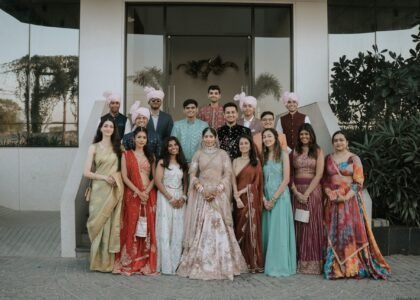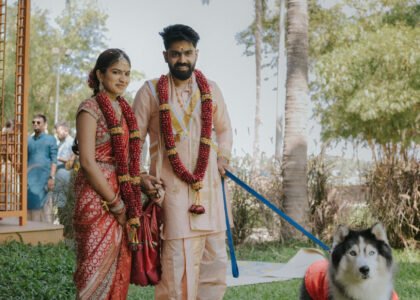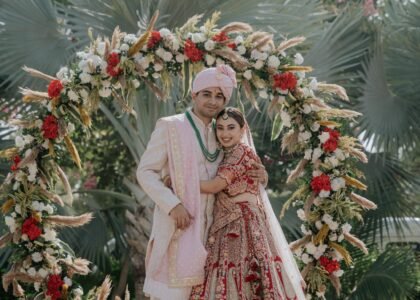

The words spoken at a wedding can become harder to remember than the way the room looked. A parent’s blessing, a sibling’s short speech or the couple laughing during a quiet exchange may be the reason you return to a wedding film years later. For a Veraval wedding, a useful cinematography brief should explain those moments before discussing dramatic shots or music.
Memories by TK Solanki provides wedding cinematography and photography. Couples planning a celebration in Veraval can send their date, venues and programme to discuss film coverage, availability and travel. This guide helps you choose the kind of film you want and prepare the event so the team can record more than moving images without context.
Decide what you want to watch afterwards
Think about how your family will use the film. A short edit is convenient to share, while a longer record can preserve ceremony and speeches in more detail. Neither replaces the other automatically. Tell the provider whether you want a highlight, a fuller wedding record or both.
Ask to see complete examples of the proposed film type. A promotional reel may show striking images without revealing pacing, sound quality or how a ceremony is represented. Watch how the sample moves between preparation, rituals, family and celebration. Notice whether you can understand the day without already knowing the people.
Explain what feels right for you. Some couples enjoy a more directed portrait sequence; others prefer a film that follows the wedding quietly. A personal brief can be simple: more family voices, fewer posed scenes, or a clear record of the main rituals. The team needs that direction before the event.
Understand the different film deliverables
| Film type | Main purpose | What to clarify |
|---|---|---|
| Teaser | A short early glimpse of the celebration | Delivery timing and format |
| Highlight film | An edited story of selected moments | Style, approximate scope and revisions |
| Ceremony record | A fuller account of the rituals | Which events are recorded and retained |
| Speech or blessing edit | Preserves family voices | Audio recording and included speakers |
| Social version | Convenient sharing on phones | Whether separate formats are supplied |
Use the wedding cinematography service to discuss these choices with Memories by TK Solanki. If you are booking still images too, the wedding photography service is the supporting page for the photo scope. Ask for separate deliverables even when they are supplied in one package.
Do not assume an approximate film duration guarantees particular content. A long edit can still omit a speech if it was not covered, while a shorter film can include a carefully chosen family voice. The booking should describe what is recorded and what is delivered, not only the length of the final video.
Put sound into the plan early
Tell the filmmaker which spoken moments matter. Share who will speak, where they will stand and when it happens. If the venue has a sound system, give the team a contact for the person operating it. The recording approach should be discussed before the programme begins.
Ask what audio arrangements are included. The team may need an appropriate microphone, a feed from the sound system or another recording method for the setting. Do not assume a camera at a distance will capture clear speech over guests, music and room noise.
If there are no formal speeches, consider a short message recorded separately, only if the couple or relatives want to participate. Keep it natural and brief. Nobody needs to write a grand speech because a wedding film is being made; a few sincere words can be enough when recorded comfortably.
Protect the ceremony coverage
Share the order of rituals and the positions of the couple and officiant. The filmmaker needs to anticipate important actions and choose angles that explain what is happening. If the sequence changes, have the family coordinator tell the team rather than leaving them to infer it from movement around the mandap.
Discuss camera access with the venue or relevant authority. Some spaces may limit equipment, movement or sound recording. The team should understand those boundaries before the ceremony so the film respects the place and the people involved.
Photo and video teams also need to coordinate. One person standing close to the couple can block another’s angle at a key moment. Defined roles and agreed positions let them work together with fewer interruptions. Ask how that coordination is handled if you are hiring the services separately.
Keep directed scenes manageable
A short couple sequence can add movement and intimacy to the film, but it should fit the wedding timetable. Decide whether it happens before guests arrive or during a quiet gap after the ceremony. Avoid inserting it into a moment when the family is waiting for the couple at the next ritual.
Bring a few references that explain your preference, then allow the filmmaker to adapt them to the actual venue. A shot involving a long walk, a second outfit or a distant location requires time that may not exist on the wedding day. Choose what can be done comfortably.
The couple’s behaviour should remain recognisable. If you are quiet or camera-shy, say so. Simple movement, conversation and a little guidance can be more useful than asking you to perform an emotion that does not fit. The film should feel like your celebration when you watch it with family.
Brief the reception and any speeches
Give the team the entrance order, stage programme and planned speakers. Identify the person who will cue each moment. If the reception has no fixed programme, explain which parts you still want filmed: greetings, family interactions, cake cutting if applicable or a specific performance.
Discuss lighting with the venue and decoration team. Fast-changing or strongly coloured light can affect faces. The camera team can suggest a workable arrangement while the event suppliers manage the actual installation. Have that conversation before the reception begins.
Keep a clear route for cameras during entrances. Guests with phones can enjoy recording, but someone standing directly in front of the main camera can obscure an unrepeatable moment. A family coordinator can gently keep the path clear without turning the room into a restricted set.
Give the edit a useful brief
After the wedding, explain any priorities that were not obvious at the event. A particular family interaction or blessing may matter deeply even if it happened away from the main ceremony. Send one consolidated list so the editor receives clear guidance.
Discuss music preferences without assuming every commercial track can be used in every setting. Ask how music choices and usage rights are handled for the films you intend to share. The provider should explain what is supplied and any practical limitations for public platforms.
Confirm the revision process. A revision might involve replacing a shot or adjusting an agreed element, while rebuilding the entire film around a new style is a larger request. The booking should make the included review rounds clear before the editing work begins.
Choose one person to collect comments when the film is ready for review. Let the couple watch it first, then gather any agreed family feedback into a single message. Identify changes by the moment or timestamp instead of sending vague requests to make the film more emotional. A specific comment about a missing blessing or an incorrect name gives the editor something useful to act on.
Keep a separate copy of the final approved file in a place the family can access. A link shared in a busy chat can become difficult to find later. Ask about download access and retain the delivered format before making smaller copies for phones or social sharing.
A film brief for your Veraval wedding
| Part of the brief | What to send | Decision it supports |
|---|---|---|
| Function schedule | Venues, times and overlapping events | Team size and coverage |
| Family voices | Names, programme and microphone arrangements | Clear spoken moments |
| Visual preference | A few relevant complete film references | Editing and direction style |
| Important rituals | Sequence and access boundaries | Ceremony coverage |
| Delivery needs | Highlight, longer record and sharing formats | Defined final products |
Add travel and extension terms to the quotation. A team covering an event in Veraval needs the complete venue list and working hours. If functions are added or the reception runs late, the person authorised to approve extra coverage should be identified.
Keep film delivery separate from photography previews. Receiving early photographs does not mean the edited film is complete. Ask for realistic milestones for each product and the method of delivery. Download and store the finished files according to the provider’s instructions rather than relying only on a temporary viewing link.
Questions about Veraval wedding films
Is a highlight film the same as a full ceremony video?
No. A highlight is a selected, edited story. A longer record preserves more of the ceremony. Ask for both to be named if you want both deliverables.
Can family speeches be included?
Request that coverage before the wedding and confirm audio arrangements. The speaker list, location and timing help the team plan a useful recording.
Do we have to act in cinematic scenes?
You can discuss a quieter documentary approach. A few simple directed moments may fit, but the brief should reflect the couple’s comfort and the actual programme.
What should we send to Memories by TK Solanki?
Send your Veraval dates, venue addresses, function schedule and preferred films. Mention spoken moments and confirm availability, travel and editing deliverables directly with the business.
Ask for a film that preserves your people
Tell Memories by TK Solanki what you want to hear and see when you revisit the wedding. Share the family voices, ritual priorities and the style you prefer. Contact the team or send your film enquiry on WhatsApp to discuss the wedding cinematography offering and request a proposal for your Veraval celebration.
Area reference: Gir Somnath district administration.