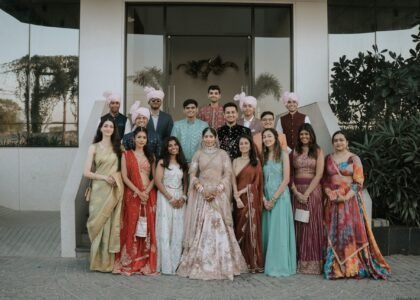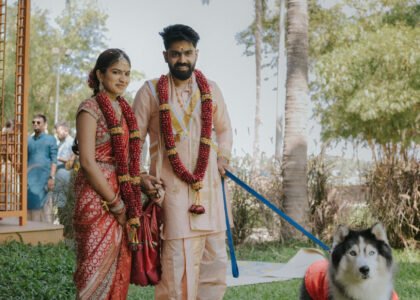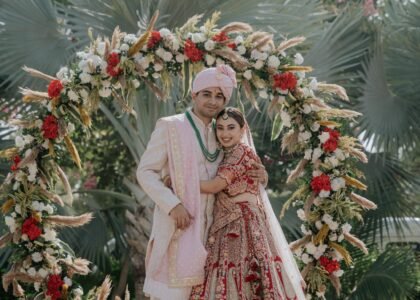
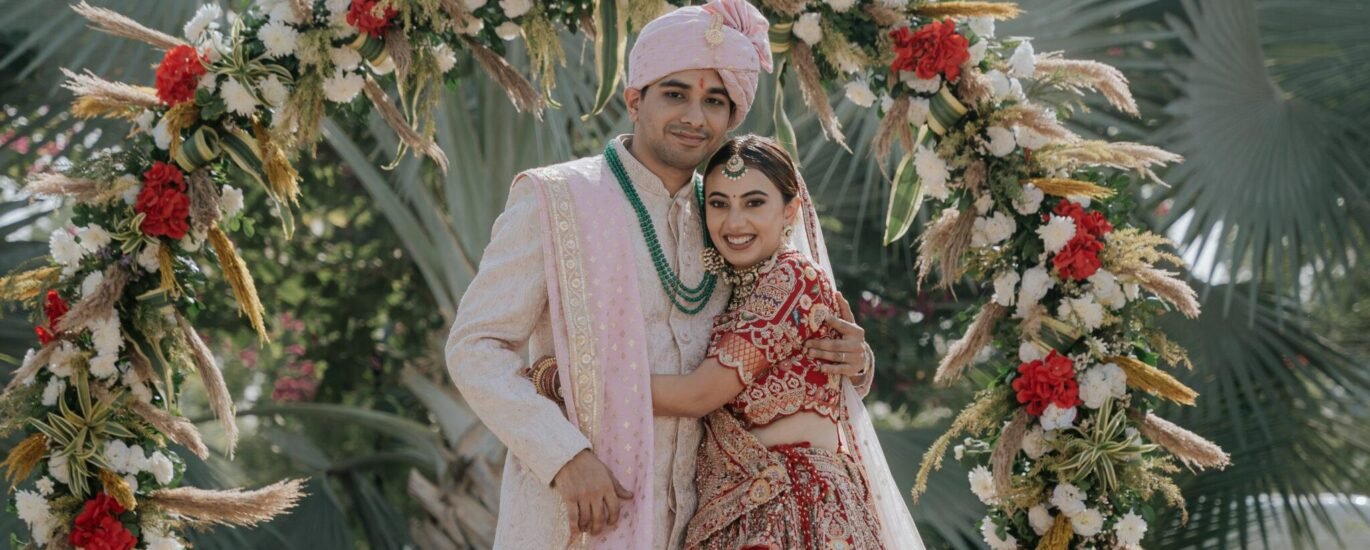

A wedding album can contain hundreds of photographs and still leave out an important person. The problem is often an unclear family portrait plan, not a lack of camera time. For a Gir Gadhada wedding, a thoughtful group list helps you record the relationships that matter without keeping the couple and guests standing through endless combinations.
Memories by TK Solanki provides wedding photography and films. Families planning a celebration in Gir Gadhada can enquire with their dates and venues to discuss coverage, availability and travel. This guide focuses on the family photographs that make the finished album personal, including how to gather people, keep elders comfortable and decide which groups are essential.
Write names instead of asking for every relative
Start with the people you most want to see in the album. Add names and relationships, especially where someone has a less obvious place in the family. The photography team cannot know that a particular aunt helped raise the bride or that a family friend is treated like a sibling unless you explain it.
Divide the list into essential and optional combinations. Essential groups include people whose photograph you would regret missing. Optional groups can happen when there is space later. This gives the photographer an honest priority order when the ceremony runs late or guests need to leave.
Ask both families to contribute, then remove duplicates together. A list built by only one side can unintentionally overlook important relationships on the other. The couple should approve the final essentials, with a family coordinator collecting the requests rather than several people sending competing lists.
Organise groups around availability
Begin with guests who need early attention: older relatives, anyone with limited mobility, families with young children and people leaving before the reception finishes. Photographing them first is a practical way to include them comfortably. It also reduces the chance of discovering later that someone has gone home.
Check when these people will actually be present. A relative may attend the ceremony but miss the evening celebration, or arrive only for the reception. Put their portrait opportunity beside the relevant function. Do not assume one group session will suit every guest.
For a celebration involving a home and a separate venue, some smaller portraits may be easier before departure. Larger combinations can wait for a place with more room. The right location is the one where the people are together and the team has workable light and space.
A practical family group list
| Priority group | Details to add | Comfort or timing note |
|---|---|---|
| Couple with parents | Names from both sides | Confirm when everyone is ready |
| Couple with grandparents | Seating and assistance needs | Photograph before a long waiting period |
| Couple with siblings | Partners and children to include | Decide whether smaller combinations are needed |
| Wider family | Exact names or a clear family branch | Assign a helper who recognises everyone |
| Special relationships | Close friends and family-like relatives | Explain why the group matters |
This table is a starting point, not a rule about who belongs in your family. Some households need different combinations, and some relationships should be handled sensitively. Tell the team privately if a particular arrangement could make someone uncomfortable.
The family group photography service is relevant for organised portraits. Combine it with the wedding photography service when discussing ceremony, candid moments and the wider album. A clear group brief supports that coverage rather than replacing it.
Choose a location where people can wait comfortably
Look for space to gather a group without blocking the ceremony, entrance or meal service. The background should be simple enough for faces to remain the focus, and the photographer needs room to arrange different group sizes. A beautiful but narrow corner may work for the couple and fail for fifteen relatives.
Have chairs available for anyone who needs them. Seating can be part of the photograph, not merely something hidden between shots. Tell the photographer about mobility needs ahead of time so the group can be arranged around the person rather than moving them repeatedly.
Check where the next group will wait. If the only shaded or seated area is far away, gathering people will take longer. Place the portrait session somewhere guests can reach easily, with a helper showing them when to join and when they are finished.
Give family helpers a small, clear role
Choose one person from each side who knows the relatives and can read the list. Their role is to gather the next group and check that nobody essential is missing. They do not need to direct poses or compete with the photographer’s instructions.
Ask helpers to bring people in manageable groups. Calling every family member to the portrait area at once creates crowding and makes it difficult to find the correct combination. Work through the list while the next group gets ready nearby.
Make sure helpers also appear in photographs. The person organising everyone can easily be absent from the album because they are always standing beside the camera. Put their own combinations on the list and have another relative gather those people when it is their turn.
Keep instructions simple during the session
One voice directing the group is usually enough. When several people call out different poses, expressions become uncertain and guests look in different directions. Let the photographer arrange the frame, then allow phone photographs once the professional picture is complete.
Do not keep a large group together for every possible variation. Make the essential wide photograph, then release people who are no longer needed. Smaller combinations can follow quickly. This is kinder to elders and children and keeps the couple from feeling trapped in a long stage session.
Allow for genuine interaction alongside the formal frame. A sibling adjusting clothing, a grandparent holding the couple’s hands or a laugh between cousins can belong in the gallery. The formal portrait records the people clearly; the surrounding moments show how they relate to one another.
Handle sensitive family situations privately
There may be combinations you do not want to request in public. Discuss those with the photography lead before the day. A private note about separated relatives, bereavement or a relationship boundary can prevent an awkward instruction in front of guests.
Avoid requiring someone to explain their circumstances during the session. The photographer only needs enough information to arrange the appropriate groups. Keep that brief respectful and limited to what is relevant to the photographs.
If a relative does not want a close portrait or public sharing, record that preference. Being at a wedding does not mean every person wants to feature in promotional material. Ask how Memories by TK Solanki handles gallery access and portfolio permissions when you discuss the booking.
A portrait list also needs a way to mark completion. Give the helpers the same final version and tick off essential groups after they are photographed. If someone is absent, note their name and the next realistic opportunity instead of stopping the entire session. This small record prevents the couple from being called back for groups that have already happened. It also gives the family a clear answer when a relative asks whether their photograph is still needed, especially during a busy reception.
Make family photographs work in the album
Select images that represent relationships, not just the largest groups. A wide family portrait can be useful, but a smaller photograph with parents or grandparents may deserve more space. The album should let faces be seen clearly rather than squeezing every image onto a crowded page.
Think about the order. Home rituals, the ceremony and family groups can sit in a sequence that explains the day. Repeating similar group photographs on several pages adds volume without giving the reader much more information. Choose the strongest frame from each essential combination.
Ask family members to review the group selection for missing people before approving the final design. Keep one consolidated response for the designer. This is easier than changing the layout repeatedly because different relatives check the album at different times.
A portrait session that respects the programme
| Part of the session | What happens | Who helps |
|---|---|---|
| Before it begins | Check list, chairs and location | Photography lead and venue contact |
| First groups | Elders and early departures | Family helpers |
| Main groups | Parents, siblings and wider branches | One organiser from each side |
| Smaller portraits | Essential personal combinations | Couple and photographer |
| Final check | Confirm nobody essential was missed | Family coordinator |
Agree where this session fits with meals and rituals. Do not place it at a time when half the family must be elsewhere. If the programme changes, protect the essential groups first and move optional friend photographs to another opportunity.
Questions about Gir Gadhada family wedding portraits
How many groups should we request?
There is no universal number. Keep the essential list manageable and discuss the time it needs. A longer list requires more gathering and arrangement, not simply more camera clicks.
Can elders be photographed sitting down?
Yes. Seating can make a group more comfortable and look natural. Explain any assistance needs in advance so chairs and access are ready.
Should the family helper direct poses?
Let the photographer direct the frame. Helpers are most useful when they recognise relatives, gather the next group and check names against the list.
Does Memories by TK Solanki cover our area?
Send the Gir Gadhada venue and date to enquire about the business’s wedding photography services. Confirm team availability and travel directly before booking rather than assuming a separate local office.
Bring your family list to the enquiry
Share your Gir Gadhada wedding dates, venue pins and essential group list with Memories by TK Solanki. Mention early departures and anyone who needs seating or a quieter session. Contact the team or send your details on WhatsApp to discuss the family portrait coverage within your wedding photography plan.
Area reference: Gir Somnath district administration.