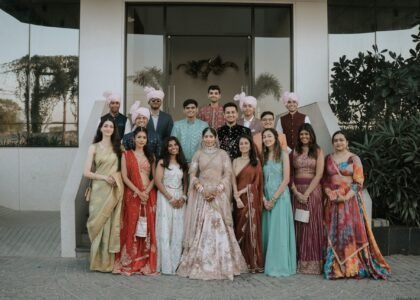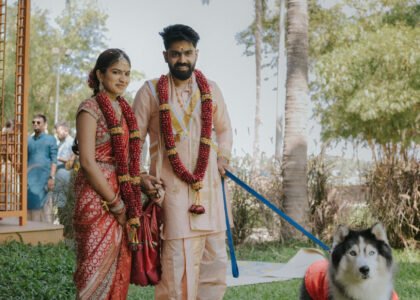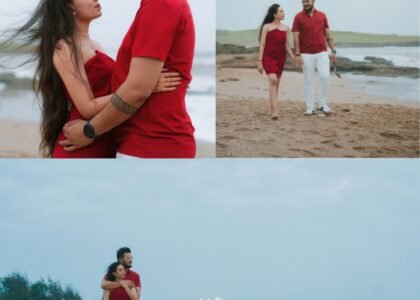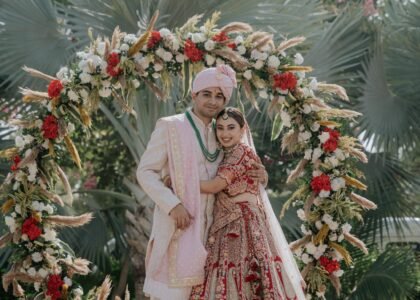
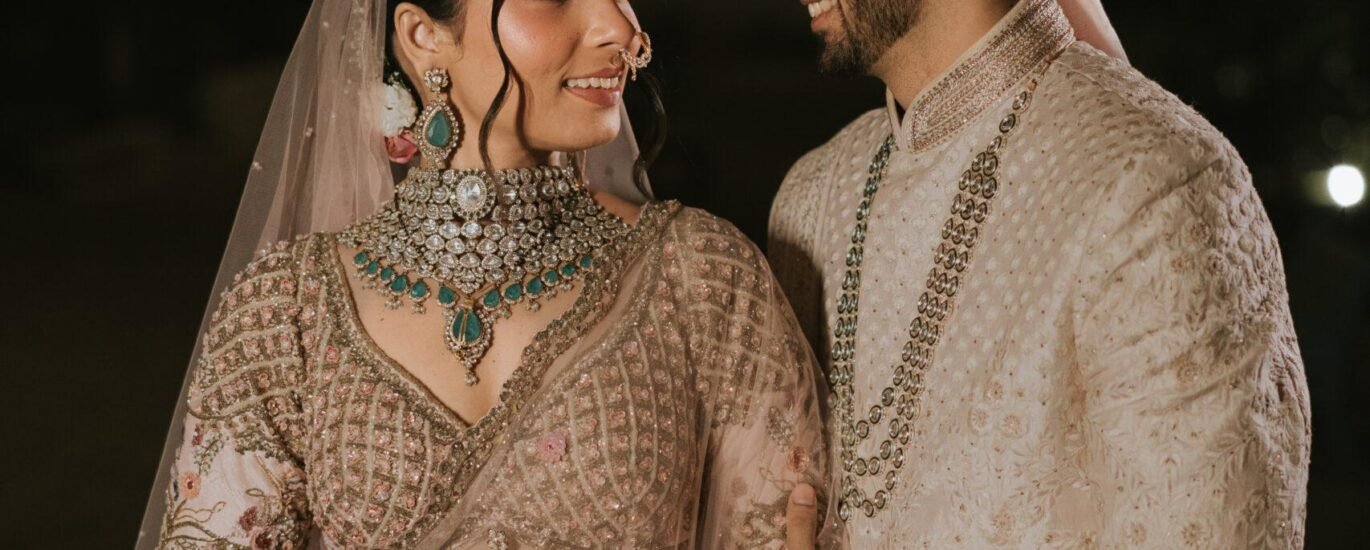
A reception can move from a quiet room to a full dance floor within minutes. Guests arrive in groups, relatives ask for photographs, and the couple may spend much of the evening greeting people. Wedding reception photography needs a plan that follows this movement without making the celebration feel managed by the camera.
For a reception in Diu, share the programme, venue layout and expected guest flow before the day. The useful questions are practical: where will greetings happen, when are the speeches, and will there be a few minutes for couple portraits?
This guide helps you prepare that conversation. Lighting choices, coverage hours and final deliverables depend on the venue and the service you agree with your photographer.
Start with the reception programme
Send the photographer the planned entrance, speeches, performances, dinner arrangements and any special family moments. Mark the parts that are confirmed and the parts that may change. A working sequence is more helpful than an exact timetable nobody will update.
Include the person who will announce activities or coordinate the stage. Ask them to tell the photo and film teams before an important moment begins. A surprise for guests does not need to be a surprise for the people documenting it.
Protect a short couple portrait window
Once the greeting queue starts, stepping away can become difficult. Consider making the essential couple portraits before guests enter or during a clearly agreed break. Keep the location close enough that you are not absent from your own event for a long period.
Choose an achievable priority
A finished portrait together, one wider photograph showing the setting and a few relaxed interactions may be enough. Add more only if the schedule allows. An ambitious list of locations can leave less time for the people who came to celebrate with you.
Coordinate lighting with the venue and decorator
Share the lighting plan with the photographer where one is available. Stage lights, decorative strings and moving effects have different purposes. Something that creates atmosphere in the room may need a different approach for a clear face or a formal group.
Ask the photo team to discuss practical needs with the venue rather than asking you to choose technical settings. They may need an agreed position for equipment or a short test before guests arrive. Keep exits, walkways and service routes clear.
Do not request a complete lighting redesign after the event has begun. Early coordination gives the teams a better chance to work within the chosen look. If the venue restricts equipment, tell the photographer during planning.
Create a reception shot plan with distinct purposes
Think in categories of images rather than hundreds of individual demands. The couple portraits, family greetings, speeches and atmosphere each explain a different part of the evening. Agree on priorities when some activities overlap.
| Part of the evening | Photographic priority | Coordination needed |
|---|---|---|
| Before guest arrival | Room, stage and couple portraits | Decor complete and couple available |
| Entrance | Arrival and family reactions | Advance notice from the coordinator |
| Greetings | Clear guest combinations | A person guiding the queue |
| Speeches | Speaker and meaningful reactions | Order and microphone position |
| Celebration | Conversation, movement and atmosphere | Room to work without blocking guests |
Tell the photographer which parts you do not want photographed. Dinner close-ups, private conversations and particular guests may need a more discreet approach. These preferences are easier to respect when explained beforehand.
Keep stage greetings comfortable
A greeting line can become tiring when every group requires several rounds of phone photographs. Decide how the official photographs will be made and ask one host to guide guests into sensible combinations.
Leave enough space for people to enter and leave without crossing the photographer’s position. Consider anyone who cannot manage steps easily. A suitable alternative position may be more comfortable than expecting every guest to reach a raised stage.
Make the combinations clear
Give the coordinator a short list of essential family and friend groups. They should recognise the people, not merely hold a list of names. Ask everyone to look towards the same camera for the formal photograph.
Keep additional phones to a separate moment
Where possible, let the photographer finish a clear frame before guests take their own pictures. Multiple people calling for attention at once can leave everyone looking in different directions. A friendly instruction from the host is usually easier than repeated correction from the camera team.
Plan speeches and reactions together
Tell the photographer who is speaking and whether anyone is expected to respond. An introduction can help the team identify parents, siblings or friends whose reactions matter. Names alone may not be enough in a crowded room.
Keep the speaker in an agreed area where guests can see them. If they move through the room, let the team know that this is part of the plan. Avoid placing an important person directly behind a floral arrangement or an unrelated display.
For film coverage, discuss sound with the relevant team separately. A photograph of a speech and a usable audio recording are different deliverables. The wedding film planning guide can help you prepare that discussion.
Leave room for photographs beyond the stage
The stage is only one part of a reception. A friend greeting your parents, an elder watching a performance or a quiet conversation between the couple can give the final gallery more depth. These images need the team to spend time observing the room.
If formal greetings require continuous coverage, ask how the agreed team will handle other areas. Do not assume that one photographer can stay on the stage and document the opposite side of the venue simultaneously.
Keep guest comfort in mind. A camera does not need to follow every private conversation or photograph someone while they are eating. Discuss the tone you want: lively, discreet, formal or a mixture shaped around the programme.
Dress and prepare for a long evening
Check that clothing and footwear allow you to stand, sit and move comfortably. Arrange a place to keep water, personal items and anything needed for a small outfit adjustment. A trusted helper can keep those things accessible.
If you are changing between ceremony and reception outfits, share a realistic ready time. The photographer can plan room photographs or other agreed coverage while you prepare. Avoid leaving the entire portrait window dependent on an untested change schedule.
Before the first formal group, take a moment to check collars, dupattas, pockets and accessories. Small adjustments made then reduce distractions across many photographs.
Confirm coverage hours and delivery
Receptions sometimes finish later than expected. Ask how additional time is handled, who can approve it and whether the team has a fixed departure. Record the agreement before the event rather than negotiating in the middle of the final performance.
Clarify the finished image selection, editing approach and delivery method. A larger guest list does not automatically mean every guest will appear in the final gallery. If complete formal guest coverage is a priority, make it part of the brief and discuss what is realistic.
Ask about privacy and portfolio use as well. You may want a public couple portrait while keeping the guest gallery within the family. Agree on how those preferences will be recorded.
Give your photographer a useful final update
Send one confirmed version of the programme, the venue contact and the names of key coordinators. Mention any changes to entrances, stage arrangements or special moments. Keep unrelated personal guest data out of the shared brief.
For current availability, share your date, venue and reception plans with Memories by TK Solanki. Explain whether the reception is part of the wedding-day coverage or a separate event so the proposed scope is clear.
Frequently asked questions
Should couple portraits happen before the reception?
That can be useful when the room is ready and the couple is available. Another agreed window may work better for your programme. Choose the option that creates the least disruption.
Can decorative lights be kept in the photographs?
Discuss the intended atmosphere with the photographer. They can assess how to show the setting while making clear portraits within the venue’s practical limits.
What if the programme changes during the evening?
Ask the coordinator to update the team before the next important activity. Timely communication helps more than expecting the photographer to infer every change from across the room.