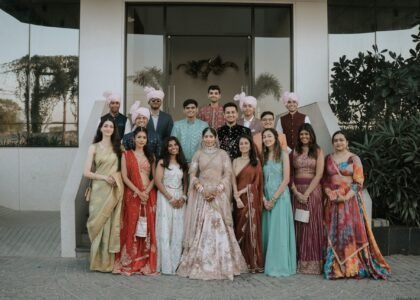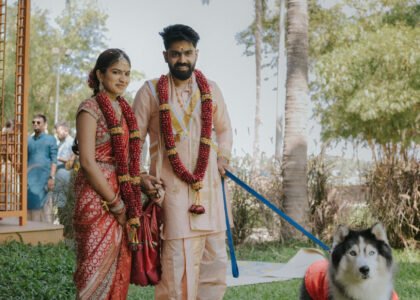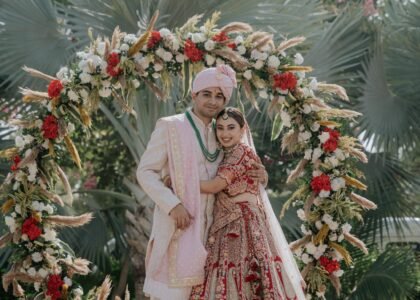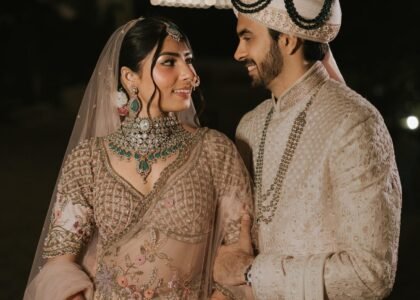
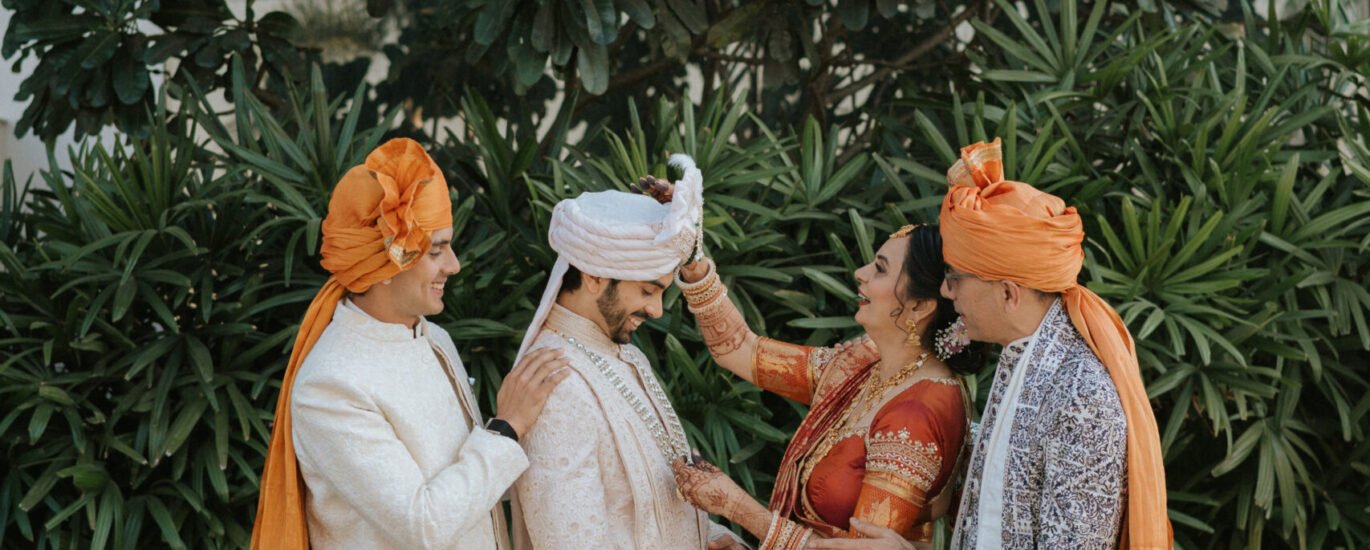

Wedding family group photos in Diu are easier when the family list is prepared before the wedding. The photographer can arrange the image, but someone who knows the relatives needs to help gather the right people. Without that preparation, a short portrait period can become a search for one missing person after another.
Memories by TK Solanki provides wedding photography in Diu and family and group photography in Diu. Share your essential combinations with the team when discussing coverage. This guide explains how to build a useful list and complete it without keeping the couple or guests waiting unnecessarily.
Begin with the photographs you would regret missing
Write down the family combinations that matter most. Start with the couple and immediate family, then include any particular relatives or relationships that are important. The list should reflect your family rather than copy a generic set of wedding groups.
Separate essential photographs from optional additions. This helps the photographer protect the important images if the programme runs late. It also gives the family helper a clear priority instead of treating every request as equally urgent.
Ask both sides of the family to review the list before the day. A missing relationship is easier to add while planning than while the couple is standing in place. Choose one contact to consolidate changes so the photographer receives one final version.
Use names that a helper can recognise
Write the people’s names or relationships clearly enough for the family coordinator to act on. A note such as close relatives is too vague when several guests believe they belong in the group. Specify who should be gathered for each image.
The photographer does not need unnecessary personal information. A practical list of names and relationships is usually enough. Share any sensitive family arrangement privately with the relevant contact and explain the photography requirement without circulating more detail than needed.
If two people have similar names, add a simple identifying relationship. The goal is a usable working list, not a formal family history. The helper should be able to call the correct people without repeatedly asking the couple to explain who is meant.
Appoint helpers who can stay available
Choose a family helper who knows the guests and is willing to manage the list during the portrait period. If the wedding has two large family groups, one helper from each side may be useful. Give them the agreed time and meeting point.
Avoid assigning the role to someone who has another important duty at the same moment. A person managing a ceremony or welcoming arrivals may not be available to gather relatives. The role needs to fit the actual programme.
The helper gathers people and checks the list, while the photographer arranges the image. Keeping those jobs clear helps the session move. Several relatives simultaneously directing where everyone should stand can make the group more confused rather than more organised.
Choose a comfortable photograph location
Review the proposed group-photo space with the photographer and venue. It needs to suit the number of people, the light and the route guests will use. A visually attractive setting may be impractical if everyone has to negotiate a narrow or difficult approach.
Think about older guests and children. A place with a suitable seat nearby and a manageable walking route can make participation easier. Tell the team about practical needs before the session so the arrangement can be discussed calmly.
For an outdoor location in Diu, review current conditions and an approved alternative. The group should know where to gather if the original space is unsuitable. A backup portrait point is more useful when it has already been checked for the size of the family.
Order the list around people’s needs
Place groups involving guests who need a shorter session at a useful point in the order. They can join, be photographed and return to a comfortable place. The aim is to avoid asking someone to wait through many unrelated combinations.
Consider building groups in a practical sequence. A larger family group may be followed by smaller combinations using people already present. The photographer can advise how to organise this based on the list and space.
Do not make the sequence so rigid that an available essential group is ignored while the team waits for an optional person. The family helper and photographer should be able to adjust the order while keeping the priorities intact. The list is a guide to completion, not a reason to stop the session.
Reserve a real period in the programme
Tell guests when the group photographs are planned. They are more likely to be available if the time is part of the programme. An unexpected announcement after everyone has moved towards dinner can create a longer gathering process.
Include the time needed to gather and move people, not only the time to press the camera shutter. A group session depends on guests reaching the location and understanding where to stand. The wedding coordinator should know this period is part of the working schedule.
If the programme changes, communicate the new timing through the family helpers. The couple should not have to make repeated announcements. A clear update gives the photographer a better chance of completing the list without competing with another ceremony or guest obligation.
Handle additional requests kindly
Guests may ask for more combinations on the day. Decide how these requests will be handled before the session. The family helper can note them and the photographer can assess what fits after the essential groups are complete.
Avoid letting every new request interrupt the current group. A repeated change can make people leave and return, increasing waiting time. Finish the planned image, then review the additional request at an appropriate point.
If the available period is limited, a later guest-photo opportunity may be useful. Discuss this within the agreed coverage rather than assuming the team can extend indefinitely. Clear expectations can protect the couple’s time while still treating guests respectfully.
Make the photographs feel like your family
An organised photograph does not need to feel stiff. Once people are gathered comfortably, the photographer can guide the group and make a clear record. There may also be room for a relaxed variation or natural interaction between frames.
Tell the team if a particular relationship deserves attention. A photograph with grandparents, siblings or a relative visiting after a long absence may matter greatly to the couple. This is useful context, provided it does not become a demand to manufacture a particular emotion.
Leave time for the couple to return to the celebration. Family portraits are part of the wedding story, but they should not consume every moment the couple has with guests. A concise list can create the record you want and still leave space for the rest of the day.
Family list structure
| Priority | Example combination | Preparation |
|---|---|---|
| Essential | Couple with immediate family | Confirm names with both sides |
| Essential | Couple with particular older relatives | Consider seating and a shorter waiting period |
| Important | Couple with siblings or close family groups | Assign a helper who knows everyone |
| Optional | Extended combinations | Add after essential groups if time allows |
| Additional | Guest requests on the day | Use one request contact and review timing |
Check the list after the session
The helper can mark completed groups and tell the photographer if an essential person is still missing. Do this before the couple leaves the portrait area. It is easier to make one remaining group while the team is ready than to discover the omission after everyone has dispersed.
If someone cannot attend the planned period, discuss a practical alternative within the remaining coverage. The photographer cannot guarantee a group with a person who is unavailable, but a clear update gives the team a chance to arrange another opportunity.
Wedding group-photo responsibility table
| Task | Owner | Useful instruction |
|---|---|---|
| Final list | Couple’s chosen contact | Combine family requests into one version |
| Gathering | Family helper | Names, time and meeting point |
| Positioning | Photographer | Appropriate arrangement for the space |
| Schedule | Wedding coordinator | Protect the planned portrait period |
| Additional requests | Named family contact | Review after essentials |
| Completion | Helper and photographer | Check important groups before leaving |
Frequently asked questions
How long should the family photograph list be?
Keep it prioritised and appropriate to the time available. The photographer can discuss a workable session once the actual combinations are known.
Does the photographer need everyone’s name?
A useful list helps, but a family helper who recognises guests is equally important. The team should not be expected to know every relationship by sight.
Can we include candid family photographs too?
Yes. Organised groups and observed family interaction serve different purposes. Explain both preferences in the coverage brief.
Who provides wedding family photography in Diu?
Memories by TK Solanki provides wedding and family group photography in Diu. Share the list and programme when enquiring.
Plan your family coverage with Memories by TK Solanki
Send your wedding date, venue, essential group list and planned portrait period. Mention any practical guest needs and simultaneous functions. Memories by TK Solanki can discuss wedding photography in Diu with a manageable family-photo plan.
Send your wedding enquiry or share the family list on WhatsApp. The wedding photography timeline guide helps reserve the right period in the day.