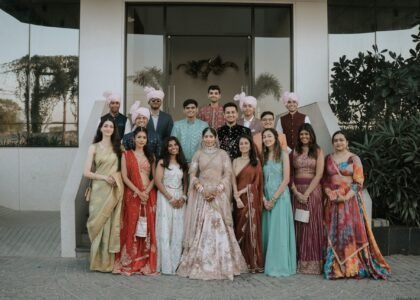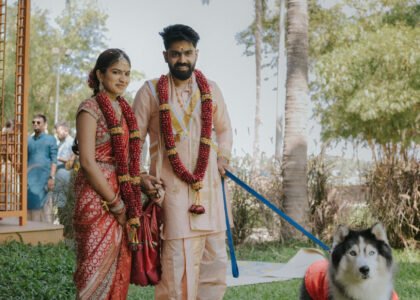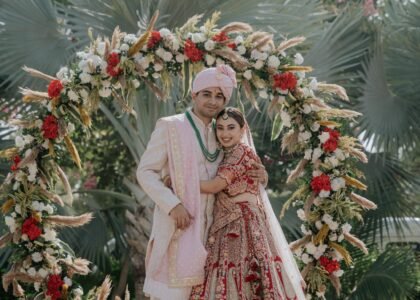
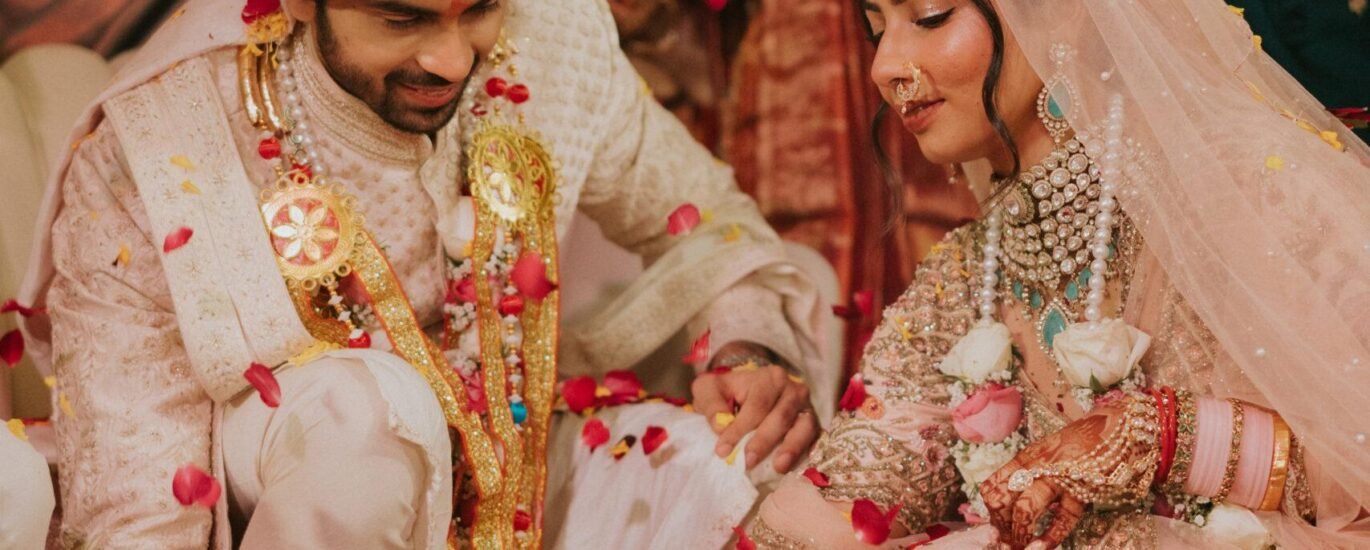
The getting-ready room holds several stories at once. Someone is finishing hair, a sibling is looking for jewellery, and a parent is checking whether the car has arrived. Wedding getting-ready photos work best when the camera can follow those real moments without adding more pressure to the room.
For a wedding in Diu, plan this coverage around the actual dressing location and ceremony schedule. A large hotel suite is not a requirement. A smaller room with a useful corner, manageable movement and a clear timeline can work well.
The suggestions below help couples prepare a brief. They do not describe fixed package inclusions, guaranteed lighting or a standard schedule for every family.
Decide what getting-ready coverage means to you
Some couples want the final touches only: the dupatta being placed, a watch being fastened or a parent seeing the complete outfit. Others want a wider record of the morning, including the room, accessories and people helping. These are different coverage needs.
Tell the photographer which parts matter and which should remain private. You can ask for coverage to begin after dressing, or limit the people present during particular moments. Being photographed should not make anyone feel that they must give up privacy.
Choose the moments before choosing the poses
A reference photograph can communicate mood, but it cannot replace your own priorities. If a grandmother is helping with an heirloom or a friend has travelled to support you, mention that relationship. Otherwise, the team may focus on details that are attractive but less meaningful.
Write a brief that fits on one screen
Include the room location, expected ready time, ceremony departure, important people and any no-camera periods. Share it with the photographer and the person coordinating the morning. A concise brief is easier to use when several vendors are working together.
Choose a workable corner of the room
Before arranging furniture, let the photographer see the light and space. A window, plain wall or quiet doorway may be useful. The best position depends on the time of day, the direction of light and the activities taking place.
Keep exits clear and leave enough room for the makeup artist or stylist to work safely. Photography should not interfere with hot styling tools, trailing cables or someone carrying clothing. A slightly less tidy background is preferable to an unsafe room arrangement.
If you can send a few phone photographs of the room before the wedding, include the windows and available floor space. These are planning references, not a guarantee that the final images will look exactly the same.
Clear distractions without removing the atmosphere
Choose one area for suitcases, garment covers, food packaging and spare footwear. This makes the room easier to use and reduces the need to keep moving things between frames. Ask a family member to help before the photography window begins.
Keep useful personal details visible when they belong to the story. A letter, familiar accessory or carefully chosen outfit may matter more than a decorative tray hired for the day. There is no obligation to buy extra objects just for photographs.
| Area | Useful preparation | Avoid |
|---|---|---|
| Portrait corner | Clear distracting bags and check the background | Blocking doors or working space |
| Clothes and accessories | Keep selected items together | Searching through several suitcases |
| Styling station | Give the stylist safe, practical access | Moving equipment without asking |
| Private documents | Put personal information out of view | Visible guest lists or identity documents |
| Family movement | Agree who needs to be present | An unrestricted crowd around the subject |
Coordinate the photographer and styling team
Share an honest estimate of when the final look will be ready. If makeup or dressing takes longer, update the photographer promptly. They may photograph accessories, room details or another agreed subject while waiting.
Do not ask the stylist to pause repeatedly in the middle of precise work. The teams can agree on brief opportunities during natural transitions. A photograph of an actual finishing touch is usually easier to arrange than recreating the whole process later.
Separate ready time from departure time
Being dressed at the moment the car arrives leaves no room for portraits or small delays. Build the schedule backwards from the ceremony, including movement through the venue and any planned family blessings.
Use a sample sequence, then adjust it
For example, finish accessories first, photograph the final styling touches, make individual portraits and invite the selected family members in. The order should change if a ritual or a person’s availability requires it. It is a working plan rather than a rule.
Plan coverage for both partners realistically
If both partners are preparing in different buildings or venues, share the distances and overlapping moments. One photographer cannot document simultaneous activities in two places. Ask how the agreed team will divide coverage and which moments are priorities.
A short list for each partner prevents an uneven brief. One may want outfit details and a parent portrait; the other may prefer friends, dressing moments and a clear individual photograph. Equal attention does not require identical images.
The site’s wedding photography timeline guide can help connect this session with the rest of the day. Keep the final schedule in one shared version so vendors are not working from conflicting updates.
Protect comfortable, genuine family moments
Tell close relatives when to arrive dressed. If they are still getting ready, the portrait window can disappear while everyone waits. Choose the essential combinations and move larger groups to the main family session.
Let interactions happen without asking people to repeat emotional reactions. A quiet conversation or an affectionate adjustment of clothing can be enough. Nobody needs to perform tears, surprise or laughter for the photograph to have value.
Explain any family sensitivities privately. The photographer does not need a full account of personal history, only the practical information required to avoid uncomfortable groupings or unwanted attention.
Keep clothing and meaningful details ready
Remove price tags and packaging before the morning becomes busy. Check fastenings and arrange help for clothing that needs another pair of hands. Include the final footwear if a complete outfit portrait matters.
Gather small items in a place one person can identify. Tell the photographer which jewellery or accessories carry family meaning. Ask before moving delicate, valuable or ceremonial objects, and return them to the responsible person after the detail photographs.
Clothing photographs should also respect the room. Use suitable hangers and approved surfaces; do not attach items to fittings or place heavy outfits where they might fall. Ask venue staff before moving substantial furniture.
Agree on editing and privacy in advance
Discuss the difference between ordinary finishing and major changes to appearance. A request to remove a temporary mark is different from altering body shape, facial structure or clothing design. Ask what the service includes and what needs separate discussion.
Clarify whether preparation photographs can appear in a public portfolio. You may be comfortable sharing a finished portrait but prefer dressing moments to remain within the family. Record that preference before the session, rather than relying on a conversation during the rush.
Ask about the delivery method and selection process. Keep the original downloaded files in a secure place, and choose what to share from that set. Private galleries should be shared only with people you intend to give access.
What to do when the morning runs late
Tell the team what has changed and agree on a smaller priority list. A finished portrait, one family interaction and a meaningful detail may be sufficient. Avoid rushing through an ambitious reference board while the ceremony is waiting.
If there is another suitable window later, discuss it. An outfit portrait can sometimes be made afterwards, but an unrepeatable family interaction cannot simply be recreated. Be clear about the distinction when deciding what to protect.
Frequently asked questions
Does the room need to be large?
No. Practical access, light and a manageable background are more useful than room size alone. Send reference photographs if you want the team to assess the space beforehand.
Can I ask the photographer to leave while I dress?
Yes. Agree on a no-camera period and a clear signal for when coverage can resume. Comfort and consent should guide the session.
What should I include in an enquiry?
Share the wedding date, venue, dressing locations and ceremony timings with Memories by TK Solanki. Mention both partners’ priorities, privacy preferences and any important family moments so the proposed coverage matches your day.