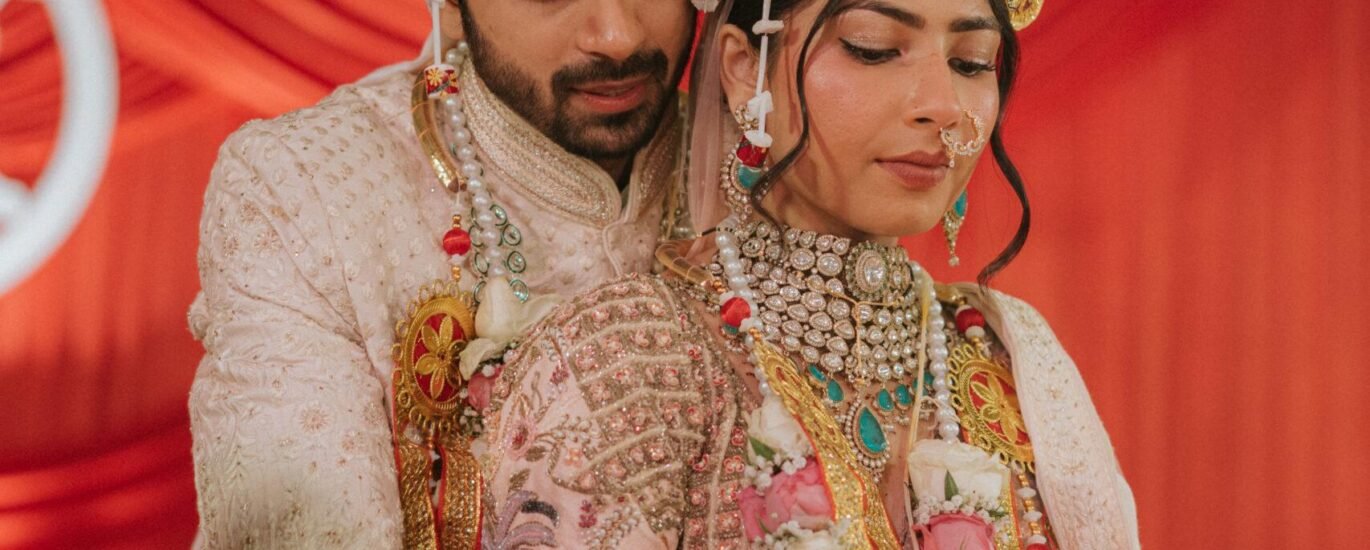

When couples compare wedding photography in Diu, the words candid and traditional can sound like two completely separate choices. In practice, many weddings need both observed moments and organised photographs. The useful decision is how those approaches should work together around your rituals, relatives and priorities.
Memories by TK Solanki provides candid wedding photography in Diu and wedding photography in Diu. Explain which images matter to you instead of relying only on a style label. This guide will help you prepare a coverage brief that includes the moments you want to remember and the family records you do not want to miss.
Understand what candid coverage aims to record
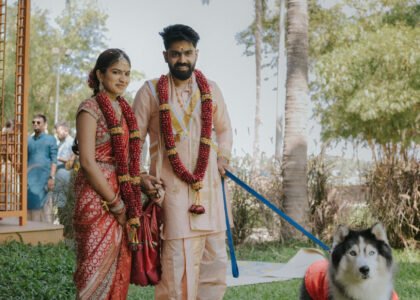
Candid coverage follows moments as they happen. It may show a conversation before a ceremony, a parent watching or the couple reacting to something during the day. The photographer observes the event and looks for useful positions without directing every expression.
That does not mean preparation is unnecessary. The photographer still needs the schedule, access and an understanding of important people. An unannounced ritual or a meaningful relative arriving briefly can be missed if the team does not know to look for it.
Show the photographer examples of the candid images you enjoy and explain why. You might like close expressions, wider scenes or the feeling of movement. Those preferences describe the result more clearly than asking for natural photographs without any further context.
Understand what organised coverage provides
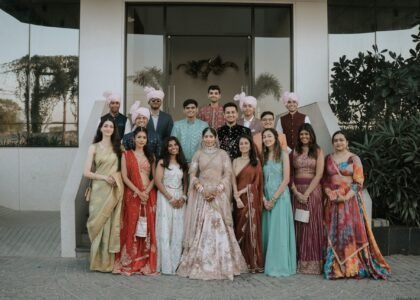
Organised photographs give particular people or details deliberate attention. Family groups, a couple portrait and a clear record of ceremonial participants may need coordination. These images can become especially useful years later when relatives want to see everyone together.
The photographer can guide where people stand and how the group fits the space. That direction does not make the image less meaningful. It serves a different purpose from observing a moment that happens spontaneously.
Decide which organised photographs are essential. A short, prioritised list is easier to complete than an unlimited series of combinations. Tell the team which relatives or relationships matter most and appoint someone who can help identify and gather them.
Combine the approaches around the programme
Look at the day as a sequence. Getting ready may suit quieter observation and a few portraits. A ritual may need coverage without interruption. A family portrait period may need clear directions. The photography plan can move between these approaches when time and access are understood.
Avoid asking the team to be fully unobtrusive and simultaneously arrange every guest photograph throughout the ceremony. These instructions can conflict. Decide when the photographer should observe and when the team may gather people for a specific image.
Ask how the coverage team is organised. The number and roles of photographers should reflect the programme and agreed scope. Separate events happening at the same time create a different requirement from a small wedding where everyone remains together.
Give the team a family map
Share a simple list of close relatives and any practical information that helps with photographs. The team should know who is part of the immediate family and which combinations are important. Do not expect the photographer to identify every relationship by sight.
Name a helper from each side if appropriate. They can gather guests during the planned group-photo period and point out someone the couple particularly wants photographed. The helper should work from a short list rather than creating new combinations indefinitely.
Tell the team about guests who need a seat or a shorter session. Put those groups early in the portrait sequence where practical. Comfortable organisation can make the photographs easier for everyone and reduce the amount of time relatives spend waiting.
Explain the rituals before the day
Different families may follow different sequences or include personal traditions. Give the photographer the expected programme and the contact who can explain an unfamiliar moment. The team should not have to infer the importance of a ritual after it has already begun.
Identify any movement or access requirements within the ceremony. There may be places the photographer should not stand or moments when movement should be limited. Share those instructions before coverage so the team can choose appropriate positions.
Allow for changes without losing communication. A relative or organiser should be able to tell the photographer when the next important part is about to start. The aim is a clear practical update, not a second person directing the camera throughout the ceremony.
Protect time for the couple’s portraits
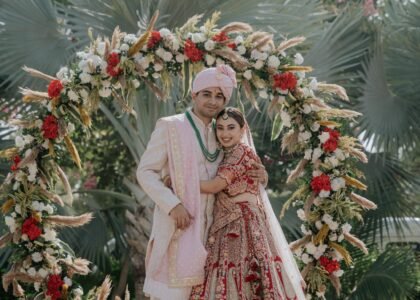
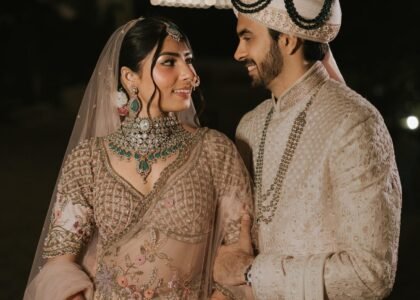
Choose a realistic portrait period in the programme. A couple may want photographs in a particular setting, but the session still needs to fit clothing, ceremony and guest obligations. The photographer can discuss a useful approach once the timing and location are known.
Begin with the images that matter most. If time becomes shorter than expected, the team should know which photograph to protect. A concise priority list makes that choice easier and avoids spending the available period on several similar poses while missing the couple’s main wish.
For a wedding in Diu, review the actual location and current conditions for outdoor portraits. Venue access and timing need confirmation. A beautiful reference does not establish that the same light, background or privacy will be available during your wedding programme.
Compare portfolios by the work you need
Look for examples that show complete coverage rather than only a few dramatic images. Ask how the photographer records the ceremony, families and quieter interactions. A portfolio should help you understand whether the approach suits the kind of wedding you are planning.
Discuss editing preferences in plain terms. You may prefer restrained colour, a particular mood or a mix of colour and black-and-white images. The photographer can explain the approach and what is included. Avoid assuming that a style word guarantees an identical result in every venue.
Use the booking conversation to clarify delivery. Ask about the agreed selection, formats, timeline and any album or film requirement. Those details should be visible in the scope. A coverage style does not by itself tell you how the finished work will be handed over.
Coverage approach comparison
| Image need | Useful approach | Preparation |
|---|---|---|
| Natural reactions | Observed candid coverage | Schedule and important people |
| Immediate family together | Organised group photograph | Short list and family helper |
| Ceremony record | Planned coverage with minimal interruption | Ritual sequence and access instructions |
| Couple portraits | Guided session | Time, location and image priorities |
| Venue and details | Deliberate detail coverage | Ready setting before guests arrive |
Keep priorities manageable
Choose a few essential photographs and a broader description of the mood you want. Give the photographer room to notice moments that were not on the list. A wedding can be planned carefully without reducing the coverage to a checklist of copied poses.
When family requests increase, review them against the time available. Additional groups may need a separate period or a more selective list. A calm decision before the wedding is easier than asking the couple to negotiate every request while the next ritual is waiting to begin.
Make room for different family expectations in the brief. One relative may value a clear formal portrait, while the couple prefers candid coverage for most of the day. These preferences can coexist when the portrait period is defined and the rest of the programme remains available for observation. Explain the arrangement to the family helper so they know when to gather people and when to let the photographer follow events. This is more practical than promising that every image will look spontaneous while also requesting a formal photograph of each guest. The photographer needs an honest account of both needs.
Wedding photography brief table
| Brief item | What to share | Why it matters |
|---|---|---|
| Programme | Rituals and likely timing | Helps the team anticipate moments |
| People | Close family and essential groups | Reduces missed relationships |
| Style | Selected examples with reasons | Clarifies the desired approach |
| Portraits | Important setting and image priorities | Makes the time useful |
| Logistics | Venue and simultaneous events | Defines coverage roles |
| Delivery | Photographs, films and album needs | Makes the booking scope clear |
Frequently asked questions
Do we have to choose either candid or traditional photography?
No. Discuss a combination that suits your wedding. Observed moments and organised family photographs can serve different parts of the same story.
Does candid mean the photographer never gives direction?
The main approach is observational, but portraits or practical coordination may still involve guidance. Agree how the day should be covered.
How many group photographs should we request?
Use a prioritised list that fits the available time. Begin with the family combinations that would matter most if the schedule becomes shorter.
Who provides candid wedding photography in Diu?
Memories by TK Solanki provides candid and wedding photography in Diu. Share the programme and style preferences when enquiring.
Discuss wedding coverage with Memories by TK Solanki
Send your date, venues, approximate programme and essential family groups. Include style references and explain whether you need photographs, films or an album. Memories by TK Solanki can discuss candid wedding photography in Diu alongside the organised coverage your family needs.
Send your wedding photography enquiry or share the details on WhatsApp. The wedding group-photo planning guide explains how to prepare a manageable family list.