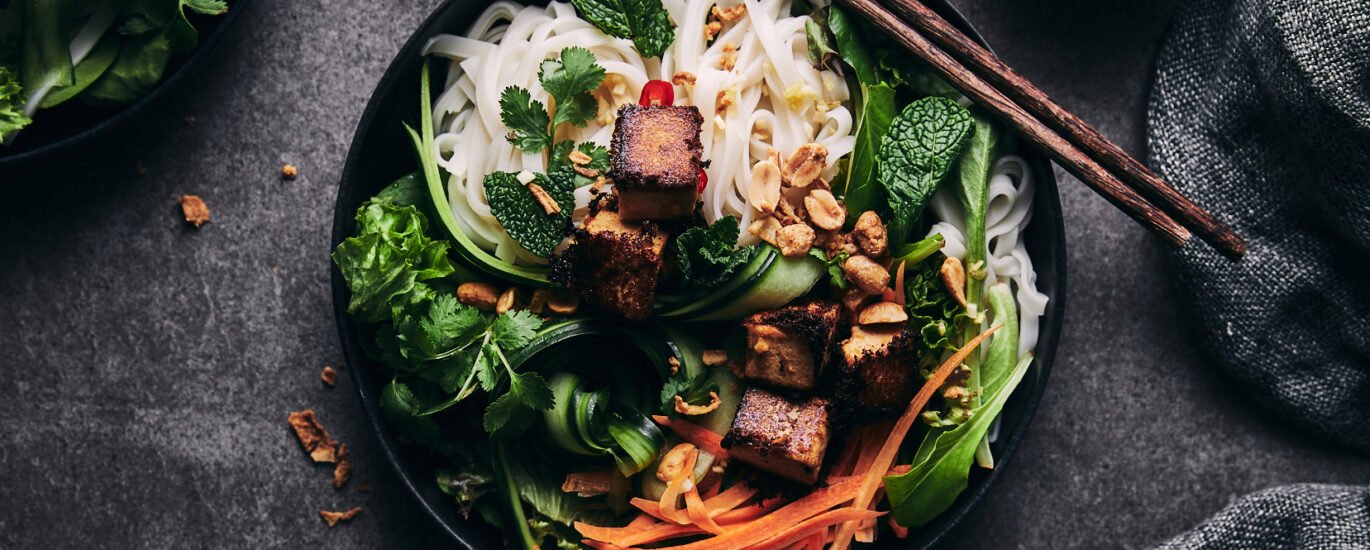
A customer can’t smell a curry, hear a sizzler or taste a dessert through a phone screen. They can only see it.
That makes food photography one of the first parts of the dining experience. Before visiting a restaurant in Diu, customers may look through its Google profile, Instagram page, website or delivery menu. The photographs help them decide whether the food looks appealing, whether the place suits their family and what they might order.
Good food photography does more than make a plate look attractive. It shows portion size, ingredients, texture and the character of the restaurant. It also gives the business a reliable library of images for menus, advertisements and social media.
This guide explains how restaurants, cafés, hotels and food businesses in Diu can prepare for a professional food photoshoot and get more useful content from it.
Table of Contents
Decide where the photographs will be used
Don’t begin by asking the photographer to “click the full menu.” First decide where the images need to appear.
A restaurant may need photographs for:
- Printed menus
- Digital menus
- Google Business Profile
- Instagram posts
- Stories and reels
- Website
- Online ordering
- Food-delivery platforms
- Hotel-room dining menu
- Posters and table displays
- Advertising campaigns
- Media or influencer collaborations
Each platform may need a different composition.
A wide horizontal photograph can work on a website banner but may crop badly inside a square delivery-app listing. A vertical photograph suits Instagram Stories but may not show the complete table when used on a menu.
Tell the photographer which formats matter before the shoot. Important dishes can then be photographed horizontally, vertically and from above.
Let’s photograph the story you came to Diu for.
Share your date, occasion and preferred style. We’ll help you choose the right location, timing and photography package.
Couples • Families • Pre-weddings • Birthdays • Proposals • Events • Commercial photography
Don’t photograph every menu item
A restaurant with 150 dishes does not necessarily need 150 professional photographs.
Begin with the food that has the highest marketing value:
- Best-selling dishes
- Signature items
- High-margin products
- Local specialities
- New menu additions
- Visually distinctive dishes
- Family platters
- Seasonal offers
- Desserts
- Beverages
- Items customers often ask about
A focused shoot of 20 well-chosen dishes is usually more useful than rushing through an entire menu.
Review sales data before creating the shot list. The chef, owner and service team may each have different opinions, but actual customer orders provide a practical starting point.
Food should look like what customers receive
Photography can improve presentation, but it should not create a meal that the restaurant cannot serve consistently.
Use the same portion size, plate and main ingredients that customers receive. Small styling adjustments may help the camera see the food more clearly, but the image should remain honest.
If a photographed platter contains more pieces than the menu description, customers may feel misled. If a drink is shown with a garnish that is never served, the image creates the wrong expectation.
The goal is to present the real food carefully, not to replace it with an imaginary version.
Prepare a written shot list
A shot list keeps the kitchen and photography team working in the same order.
For each dish, note:
- Dish name
- Menu category
- Main ingredients
- Plate or serving vessel
- Required orientation
- Background or table
- Garnish
- Props
- Whether hands or people appear
- Intended use
- Priority level
Mark the most important dishes clearly. If time becomes limited, photograph those first.
Group similar items together. Shoot breakfast items in one sequence, beverages in another and main courses after the table setting changes. This reduces delays and avoids repeatedly moving lights and backgrounds.
Schedule the shoot outside service hours
Food photography and active restaurant service rarely work well at the same time.
The kitchen needs space to prepare dishes carefully, while the photographer needs time to adjust lighting and composition. Customers and staff moving through the frame can slow down both teams.
Whenever possible, arrange the shoot:
- Before the restaurant opens
- Between lunch and dinner
- On a quieter weekday
- During a planned kitchen block
- Over more than one session for a large menu
Make sure the chef or kitchen team responsible for the normal dish is present. A substitute may plate it differently.
In Diu, daylight and heat should also be considered. If the restaurant has a sea-facing terrace or outdoor dining area, photograph it when the light suits the space rather than forcing every image into one time slot.
Prepare ingredients in advance
The kitchen should complete most preparation before the photographer begins.
Vegetables can be cut, sauces prepared, plates selected and garnishes organised in advance. The final cooking and plating should happen close to the moment of photography.
Some food changes quickly:
- Fried food loses its crisp appearance.
- Ice cream melts.
- Cheese settles.
- Fresh herbs wilt.
- Sauces develop a skin.
- Cold drinks lose condensation.
- Bread can look dry.
- Foam disappears from beverages.
Create a preparation schedule based on how long each dish stays camera-ready. Photograph delicate food first instead of letting it wait while the table is arranged.
Keep backup ingredients available. A garnish may fall in the wrong place, a sauce may spill or a drink may need to be prepared again.
Let’s photograph the story you came to Diu for.
Share your date, occasion and preferred style. We’ll help you choose the right location, timing and photography package.
Couples • Families • Pre-weddings • Birthdays • Proposals • Events • Commercial photography
Choose plates that support the food
The plate should help customers notice the dish.
A highly patterned plate can compete with colourful food. A very large plate may make a reasonable portion appear small. A plate that matches the food too closely can cause the ingredients to disappear.
Simple white, black, stone, ceramic and earthy tableware often works well, depending on the restaurant’s identity.
A seafood restaurant in Diu may use blue, white and natural textures carefully, while a café might prefer warm wood, neutral ceramics and softer colours. A traditional restaurant may use metal or regional serving vessels if those are part of the actual dining experience.
Clean the plate edges before every photograph. Small fingerprints, sauce marks and water spots become obvious in a high-resolution image.
Use garnish with restraint
Garnish should make sense with the dish.
Use ingredients that belong to the recipe or are normally served with it. Don’t place random herbs on every plate simply to add green colour.
A useful garnish may:
- Show a key ingredient
- Add freshness
- Separate similar colours
- Give height to the plate
- Guide the viewer’s eye
- Explain how the dish is served
Too much garnish can hide the food. Keep the main item clearly visible.
Check every plate from the camera’s position. A garnish that looks balanced from the chef’s side may block the central ingredient from the photographer’s angle.
Lighting matters more than the camera
Food needs light that shows colour and texture.
Soft directional light can reveal the layers of a sandwich, surface of a curry, crisp edge of fried food or shape of a dessert. Light coming directly from the camera’s position may flatten those details.
Window light can work for a small café shoot, but it changes with clouds and time. Professional lighting provides greater consistency when several dishes need to match.
Avoid mixing different types of light without a plan. Warm ceiling lights, cool window light and coloured decorative bulbs can make food look unnatural.
The photographer may switch off some restaurant lights and use controlled lighting instead. This is normal and helps maintain accurate colour across the final gallery.
Let’s photograph the story you came to Diu for.
Share your date, occasion and preferred style. We’ll help you choose the right location, timing and photography package.
Couples • Families • Pre-weddings • Birthdays • Proposals • Events • Commercial photography
Choose the right camera angle
Different foods look better from different angles.
Overhead photographs
An overhead view suits:
- Thalis
- Pizzas
- Table spreads
- Breakfast arrangements
- Platters
- Several dishes together
It clearly shows the complete arrangement but may hide the height of burgers, cakes and drinks.
Forty-five-degree photographs
This angle feels similar to how a customer sees food while seated at a table. It works well for:
- Curries
- Bowls
- Plated meals
- Desserts
- Café dishes
- Table settings
Low or straight-on photographs
A lower angle is useful when height or layers matter.
Use it for:
- Burgers
- Sandwiches
- Cakes
- Tall drinks
- Stacked food
- Layered desserts
The shot list should include the angle most useful for each menu item rather than photographing everything from the same position.
Show texture and movement
Customers respond to food details they can recognise.
A spoon lifting rice, sauce being poured or bread being broken can explain the texture better than a still plate alone.
Movement photographs may include:
- Tea being poured
- Cheese pull
- Steam from a hot dish
- Juice entering a glass
- Chef adding garnish
- Cake being sliced
- Hands sharing a platter
- Coffee being prepared
These images are especially useful for social media and advertising.
Some movements need several attempts. Prepare enough food and assign one person to perform the action consistently.
Let’s photograph the story you came to Diu for.
Share your date, occasion and preferred style. We’ll help you choose the right location, timing and photography package.
Couples • Families • Pre-weddings • Birthdays • Proposals • Events • Commercial photography
Photograph the restaurant experience too
Customers don’t visit only for the plate. They also consider the room, service, view and atmosphere.
Along with food, photograph:
- Exterior and entrance
- Dining area
- Sea or outdoor view
- Table arrangement
- Bar or beverage counter
- Kitchen or open cooking area
- Staff serving guests
- Chef preparing a dish
- Families or couples dining
- Evening lighting
- Private dining or event spaces
Lifestyle photographs should use real services that customers can receive. Obtain permission from staff and guests before using identifiable images in marketing.
A Diu restaurant with a sea view should show the actual relationship between the table and the view. Avoid using a general beach photograph that makes the restaurant appear closer to the water than it is.
Create images for Google and delivery platforms
Google Business Profile is often where a traveller first sees a restaurant. Upload a balanced gallery rather than twenty versions of the same dish.
Include:
- Exterior
- Entrance
- Dining area
- Menu highlights
- Signature dishes
- Beverages
- Staff or service
- View
- Current opening atmosphere
For delivery platforms, food should be centred and easy to understand at a small size. Keep the background simple and leave enough space around the dish for cropping.
Every menu listing should use the correct photograph. A generic curry image repeated across several dishes makes it harder for customers to understand the differences.
Plan photographs and video together
If the restaurant needs reels, plan video during the same shoot.
Useful clips include:
- Exterior sign
- Restaurant entrance
- Chef cooking
- Close-up plating
- Drinks being prepared
- Sauce or garnish
- Food arriving at the table
- Customers sharing a dish
- Sea or location view
- Final table spread
Short clips should be recorded vertically when intended for Instagram or other mobile platforms. Horizontal video may still be required for the website or digital displays.
Filming every dish can slow down the photography. Identify five to ten hero items for video instead.
Keep the visual style consistent
The restaurant’s photographs should feel like they belong to the same business.
Consistency can come from:
- Similar lighting
- Repeated backgrounds
- Recognisable tableware
- Brand colours
- One editing style
- Consistent framing
- Familiar props
This does not mean every photograph must look identical. A dessert, seafood platter and café interior may need different treatment. The overall colour and mood should still remain connected.
Avoid trendy editing that changes the real colour of food. Extreme orange tones, heavy filters and excessive saturation can make ingredients look artificial.
Let’s photograph the story you came to Diu for.
Share your date, occasion and preferred style. We’ll help you choose the right location, timing and photography package.
Couples • Families • Pre-weddings • Birthdays • Proposals • Events • Commercial photography
Common food-photography mistakes
Preparing too many dishes at once
Food sits for too long and begins looking dry or tired.
Using dirty plates or glassware
Fingerprints and sauce marks are difficult to ignore in close photographs.
Overloading the frame with props
Customers should notice the food first.
Photographing food under mixed lighting
Different light colours can make one part of the plate look yellow and another blue.
Using the wrong image dimensions
Important parts of the dish may disappear when platforms crop the image.
Applying heavy filters
Customers need to recognise the food when it arrives.
Forgetting the menu
Beautiful images have limited value if the team cannot identify which photograph belongs to which dish.
Use clear filenames, such as restaurant-name_paneer-tikka_vertical.jpg, instead of leaving files with camera-generated numbers.
How often should restaurant photography be updated?
Arrange a new shoot when:
- The menu changes substantially
- Signature dishes are added
- Plates or presentation change
- The restaurant is renovated
- A new chef changes the menu
- Seasonal offers begin
- Old images no longer match the actual food
- The business launches delivery or online ordering
A full shoot may not be necessary every time. Smaller quarterly sessions can keep the content current without repeatedly photographing the complete restaurant.
What should a professional food-photography package include?
Package requirements depend on the number of dishes and how the images will be used.
Before booking, clarify:
- Number of dishes
- Edited images per dish
- Horizontal and vertical versions
- Restaurant-interior coverage
- Staff and lifestyle photography
- Video or reel requirements
- Delivery resolution
- Editing style
- Delivery time
- Usage rights
- Travel or setup charges
- Raw-file policy
Commercial photography prices may depend on shoot duration, production needs, styling, assistants, number of final photographs and intended advertising use.
Ask for an itemised quote based on the shot list instead of choosing only by the lowest hourly rate.
Food photography in Diu
Memories by TK Solanki provides commercial photography for restaurants, cafés, hotels, resorts and food businesses in Diu.
A shoot can include menu dishes, beverages, restaurant interiors, staff, cooking processes, lifestyle photographs and short-form video.
To request a quotation, share:
- Restaurant or café name
- Location
- Number of dishes
- Intended platforms
- Interior-photography requirement
- Photography or photo-and-video requirement
- Preferred shoot date
Request a food-photography quotation on WhatsApp:
+91 84608 90719
Prepare the food for the customer. Then photograph it with the same care.