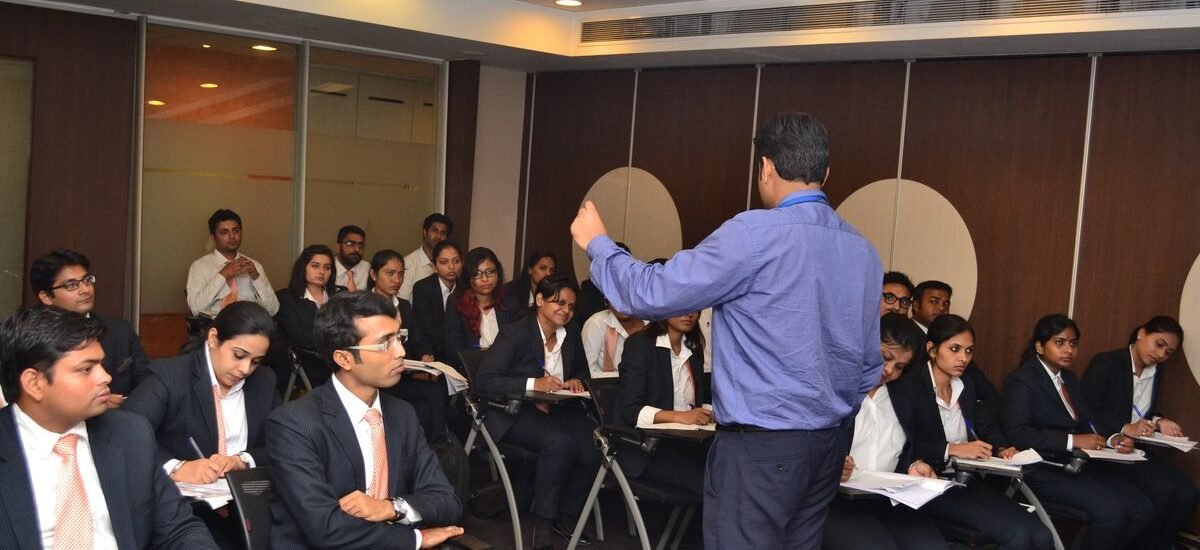
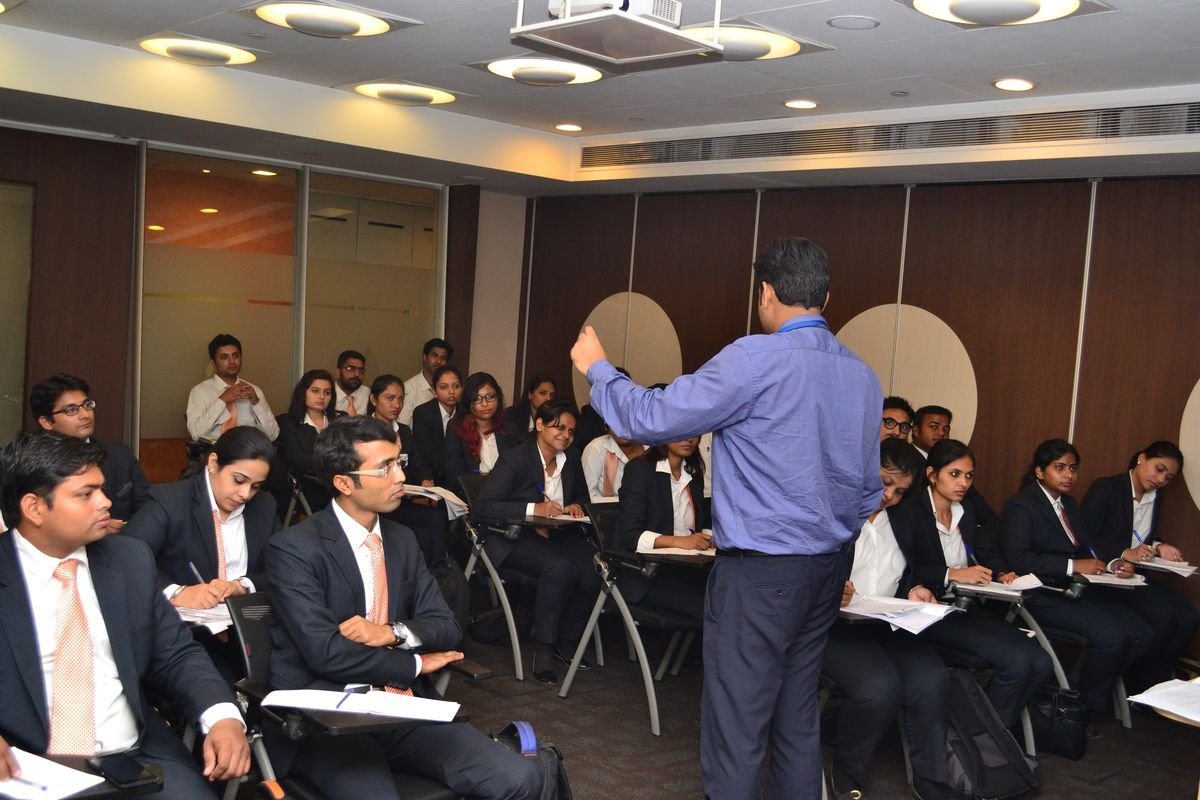
A training workshop in Diu should make it easy for people to take part, ask questions and practise the work they came to learn. A room can look impressive and still make those things difficult. Rows of chairs may suit a presentation, while an exercise that involves discussion or equipment may need a different arrangement.
Memories by TK Solanki provides corporate event planning in Diu. A useful workshop brief explains the learning format alongside the guest and venue requirements. This guide helps an HR team, trainer or company coordinator prepare that brief without turning a practical workshop into an overloaded conference agenda.
Ask the trainer how people will learn
Begin with the trainer’s method. Will participants listen, write, work in groups, practise a conversation or use equipment? Each activity creates a requirement for the room. Knowing these requirements early is more useful than selecting a seating style because it looks professional in a venue photograph.
Ask what participants should be able to do afterwards. A skills workshop may involve repeated practice and feedback. An information session may need time for questions and a reference document. The organiser does not need to design the training content, but the event arrangements should give that content enough space to work.
Confirm who is responsible for the participant materials. Workbooks, stationery, demonstration tools and presentation files can come from different sources. Put quantities and deadlines in writing. Otherwise, a venue may assume the company is bringing the materials while the trainer assumes they are included in the event arrangements.
Choose a layout for the actual exercises
For discussion, participants need to see and hear one another. For individual writing, they need a suitable working surface. For a demonstration, they need a clear view of the person or equipment at the centre. These needs can conflict, so review the sequence of activities before fixing the layout.
If the programme changes format during the day, decide whether furniture will move or whether activities can work within one flexible layout. Rearranging tables takes time and involves people moving through the room. That time should be planned, especially if the same space is also used for refreshments or a meal.
Consider the trainer’s movement. The trainer may need to reach each group, hear a quieter participant or observe an exercise. A layout that fits the maximum possible number of chairs is not necessarily the best layout for participation. Confirm a suitable working arrangement with the venue rather than relying on a general capacity figure.
Keep registration simple and useful
The arrival process should help people settle. Give participants the correct venue, arrival time and any preparation they need to complete. If the workshop requires a laptop, particular clothing or an existing document, say so in the invitation. Last-minute instructions can leave participants unable to take part fully.
Use a registration list that supports the trainer’s needs. Name badges can help in a mixed group, while a small team that already knows one another may not need them. If attendance needs to be recorded, agree the process with HR. Avoid interrupting an exercise because nobody decided when the attendance check would happen.
Give late arrivals a clear route into the session. A coordinator can guide them to a seat and provide materials quietly. The trainer should not have to repeat the opening instructions whenever someone enters. For longer workshops, a short printed overview can explain the day’s structure without creating an additional presentation.
Build breaks around the learning sequence
Ask the trainer where natural pauses fall. An exercise may need to reach a conclusion before the group breaks, while another session may work better after a short reset. Build the timetable around that rhythm and coordinate the venue’s refreshment and meal service accordingly.
Allow participants time to move between rooms or activities. A programme that lists a break but also fills it with networking instructions and a team photograph has not really provided a break. Decide what is essential, what is optional and what can be handled outside the workshop hours.
Keep the company’s other messages proportionate. A welcome from management may be appropriate, but an unexpectedly long business update can take time away from the training that participants were invited to attend. The final agenda should show the real length of each contribution, including introductions and questions.
Check sound, screens and working materials
Confirm how the trainer presents content. If everyone needs to read detailed information, screen readability matters more than a decorative stage. Test the actual files in the room and view them from the participant seats. The trainer’s notes and the audience’s display may need different arrangements.
If sound is required, identify which parts of the workshop depend on it. A trainer moving around the room may have different needs from a speaker standing at one point. The production contact should know about videos, remote contributions or demonstrations before equipment is selected.
Make a materials checklist that follows the exercises. Count what each participant and each group needs. Keep spare supplies accessible, with someone responsible for handing them out. This prevents the trainer from stopping a practical activity to search for a marker or the next set of worksheets.
Make participation comfortable
Ask participants about practical access and dietary requirements through the company’s usual process. Share only the details needed to arrange the event. The purpose is to support participation, and the planner, venue and HR contact should agree who handles each requirement.
Think about visibility and hearing from different seats. A participant at the side of a room should not spend the whole day turning to see the display. Check walking routes, doors and the position of bags or equipment. A clear route is also useful when the trainer needs to move between groups.
Provide a way to ask questions without forcing every participant to speak publicly. The trainer might use written questions, small-group discussion or a dedicated question period. The event team can support the chosen method with materials and timing. It should remain the trainer’s decision, based on the learning goals.
Brief the photographer around the workshop
Training photographs should show the activity without getting in its way. Agree which exercises can be photographed and which discussions should remain private. Participants working on confidential company information should not discover that it appears clearly in a marketing photograph.
Useful images may include the room before arrival, the trainer presenting and participants engaged in an appropriate exercise. A group photograph can be scheduled at a planned pause. Tell the photographer whether the images are for internal records, company communication or a public event report.
Memories by TK Solanki provides corporate photography in Diu. Describe the workshop format and any restrictions when requesting coverage. The event and photography briefs should agree about timing, access and the activities that matter most.
Match the learning format to the room
| Workshop activity | Space requirement | Question for the trainer |
|---|---|---|
| Presentation | Clear view of the display | How detailed are the slides? |
| Small-group discussion | Participants can face one another | How will groups be formed? |
| Written exercise | Suitable working surfaces | What materials are needed? |
| Demonstration | Clear viewing and working area | Can everyone see the process? |
| Role practice | Space for pairs or small groups | Will groups need privacy? |
| Feedback | A way to record outcomes | What should be taken away? |
Prepare a handover for the training day
The final handover should include the agenda, trainer contacts, approved files, participant quantities and materials list. Identify the coordinator who can make practical decisions at the venue. The trainer can then concentrate on the group rather than negotiating delivery or room changes during the session.
Walk through the first hour carefully. Check the arrival route, materials distribution and opening instructions. A calm beginning helps participants engage with the workshop. The same review should consider the ending: who collects feedback, who takes reusable materials and when the room must be cleared?
Workshop responsibility table
| Task | Responsible contact | Confirm before the event |
|---|---|---|
| Learning content | Trainer or company lead | Objectives, exercises and files |
| Participants | HR coordinator | Attendance and practical requirements |
| Room and service | Venue contact | Layout, access and meal timing |
| Event coordination | Planning contact | Working schedule and supplier roles |
| Photography | Company approver | Coverage and image-use restrictions |
| Follow-up | Training owner | Feedback and next steps |
Frequently asked questions
Can a hotel meeting room work for a training workshop?
It can if the room supports the planned activities. Confirm the layout, working surfaces, display visibility and access arrangements for the specific venue before booking.
Does the event planner create the training content?
The trainer or company normally owns the learning content. The planner coordinates the practical arrangements around it. Confirm the division of responsibilities in the quotation.
Should the entire workshop be photographed?
Choose the coverage that serves your purpose and respects the content. Some exercises or documents may need to remain outside public photographs.
Who provides workshop event planning in Diu?
Memories by TK Solanki provides corporate event planning in Diu. Share the training format to discuss the arrangements and scope.
Plan your workshop with Memories by TK Solanki
Send the date, participant count, trainer’s format, expected exercises and preferred venue arrangement. Include any production, guest coordination and photography requirements. Memories by TK Solanki can discuss corporate event planning in Diu around the needs of the workshop.
Enquire about workshop arrangements or share your training brief on WhatsApp. The conference speaker brief can also help when collecting presenter files.