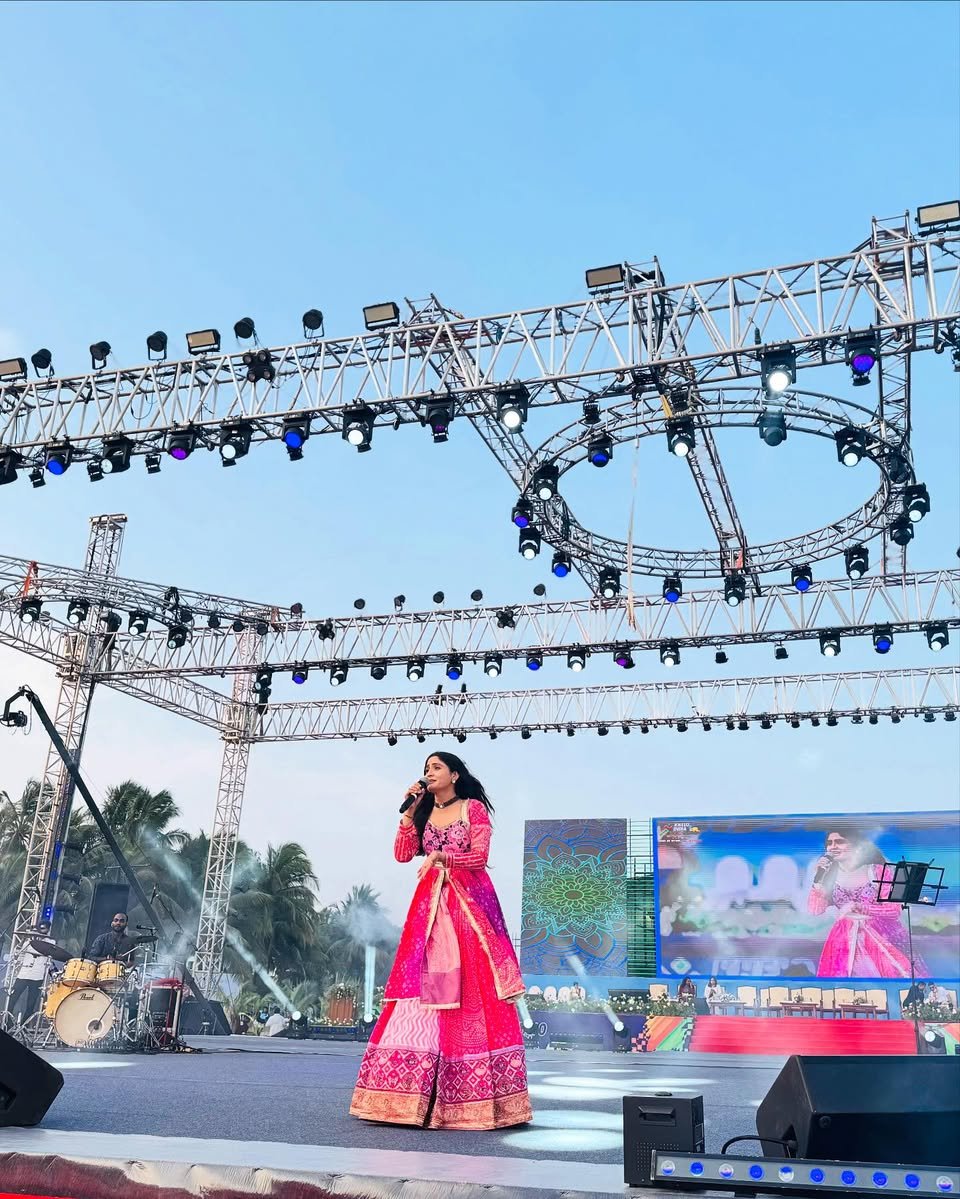
A cultural programme in Diu brings together people who may experience the same evening in different ways. Performers need time and space to prepare. Families need a comfortable route into the audience area. The organiser needs the programme to move without losing the character of the performances. A useful plan considers all of them.
Memories by TK Solanki provides event and celebration planning in Diu. Cultural programme requirements can be discussed as a specific brief, with venue, production, coordination and photography responsibilities agreed in advance. This article explains the questions to settle before an organiser announces an evening’s running order.
Define the occasion and its audience
Begin with the occasion. A community gathering, a company cultural evening and a family celebration can all include performances, but they have different expectations. Tell the planner who is attending, why the programme is being held and which parts of the evening matter most to the host.
Decide whether the audience will be seated throughout or will move between performances and other activities. That choice affects the stage position, announcements and guest route. If food service is part of the evening, decide when it begins and whether the audience should be able to see the programme while dining.
Ask how children and older guests will participate. A family audience may need an earlier main performance, clear seating and a quieter place for someone who needs a break. The programme should support the people attending instead of assuming everyone can stand, wait or remain in a loud area for the same length of time.
Collect a brief from each performer
Ask each performer or group for their performance length, number of people and technical needs. Music playback, live instruments and spoken introductions require different preparation. The production contact should receive these details before the stage and sound arrangements are finalised.
Check whether a group needs a changing or preparation area. Costumes, instruments and personal belongings should have an agreed place. If performers share that space, coordinate their arrival and preparation times so one group is not trying to change while another is collecting equipment to leave.
Get the exact introduction text and name pronunciation from an authorised contact. A cultural performance may have a particular context that should be represented accurately. The emcee should not have to improvise an explanation from the title alone, and the planner should not invent the meaning of a tradition.
Build a running order that respects transitions
Performance length is only one part of the timetable. Allow for the introduction, movement onto the stage, equipment changes and the audience response. A sequence that adds together only the performance durations will usually underestimate the work between acts.
Review the order with the production team. Several acts that require different sound or stage arrangements may need a planned pause between them. A short introduction or another appropriate programme element can cover that pause, but it should be agreed with the organiser and emcee rather than added in a hurry.
Protect the main performance or ceremony from an uncertain start. If a group has a fixed arrival or departure requirement, place it in the working plan. Ask who can approve changes if an earlier item runs long. That decision should be clear before guests are watching the stage.
Keep arrival routes understandable
Give guests the venue, entrance and programme timing in language they can follow. If the venue has more than one entrance or event space, include a clear arrival point. A coordinator or sign should help people reach the correct area without crossing the performance or preparation route.
Separate audience movement from equipment movement where the venue allows it. A delivery team carrying equipment through arriving guests creates avoidable congestion. The site walkthrough should identify the loading route, audience route and any point where the two meet so that timing can be coordinated.
If reserved seats are needed, decide who manages them. The host may want family members, invited guests or particular participants together. Provide a usable seating plan and a contact who can resolve a question. Avoid leaving the entrance team to guess which seats should be held.
Coordinate stage and sound around the acts
Discuss the performance space with the production contact. A dance group needs a suitable working area; a singer or instrumentalist may need particular microphone and monitoring arrangements. Confirm these needs with the performer. General equipment descriptions are not a substitute for the act’s technical brief.
Test recorded tracks in the order they will be used. Label files clearly and confirm who starts each track. If a performer is supplying music from a phone, agree a tested method and a backup before the audience arrives. The operator should not receive several unnamed files during the introduction.
Include a sound check in the schedule. It should test the actual arrangement, not just whether equipment powers on. For an outdoor element in Diu, review current weather conditions and agree a suitable alternative with the venue and organiser. Permission and technical requirements must be confirmed for the specific event.
Plan photography without blocking the audience
Tell the photographer which acts and people need coverage. A programme with many performers may require an agreed list of essential images so that one group is not missed while the photographer is documenting arrivals or guest interactions elsewhere.
Agree suitable positions near the stage. Photographers should be able to work without repeatedly standing between seated guests and the performance. Discuss movement during ceremonies or traditions with the organiser. Some moments may have a preferred approach that should be respected.
Memories by TK Solanki offers event photography in Diu. Share the running order, performance names and intended use of the photographs. If images are for an organiser’s report, public promotion or family records, that context helps define the coverage and delivery requirements.
Make the organiser’s approvals visible
The organising team should approve the programme, public wording and invitations. The event planner can coordinate production and suppliers around those decisions. A named approver is particularly useful when several community or company representatives are contributing ideas.
Confirm any venue, organiser or authority requirements that apply to the chosen programme. The person responsible for each approval should be identified in writing. Do not assume that hiring equipment or booking a performer also grants permission for the venue, amplification or public gathering.
Keep the final version easy to find. An updated running order should replace the older version for the emcee, performers, production and photography team. Mark the date or version so people can confirm they are reading the same programme during the last briefing.
Performer information table
| Information | Ask the performer | Planning use |
|---|---|---|
| Act length | Performance time and setup time | Builds a realistic running order |
| Group size | Number of performers and support people | Informs preparation space |
| Audio | Live sound or recorded tracks | Guides testing and equipment needs |
| Stage use | Movement, instruments or props | Helps review the layout |
| Introduction | Approved wording and pronunciation | Gives the emcee accurate information |
| Arrival | Preparation and sound-check needs | Coordinates access before the programme |
A working example of a transition
Imagine a hypothetical programme where a group dance is followed by a live singer. The dance track ends, the emcee thanks the group, and the production team prepares the singer’s arrangement. The next act begins only after the responsible contact confirms readiness. This sequence should appear in the cue sheet, even if the transition is brief.
The same thinking applies to the end of the evening. Decide how guests leave, how performers collect belongings and when equipment removal begins. A closing announcement should guide people without starting a competing movement of audience, vehicles and dismantling teams through one narrow route.
Final coordination table
| Area | Owner to confirm | Final check |
|---|---|---|
| Programme | Organiser | Approved order and introductions |
| Performer liaison | Named coordinator | Arrival and readiness of each group |
| Production | Technical contact | Tested tracks and cue sequence |
| Audience | Guest coordinator | Entrance, seating and exit route |
| Photography | Coverage contact | Essential moments and access |
| Venue handover | Event coordinator | Removal timing and clear responsibilities |
Frequently asked questions
Can cultural performances be part of a corporate event?
Yes. Brief them as a defined part of the programme, including the audience, duration and technical requirements. Coordinate them with dinner and business sessions so each element has appropriate attention.
Who decides the order of performances?
The organiser approves the programme, with input from performers and production about practical transitions. The event coordinator then shares the agreed working order.
Does an outdoor programme need a backup?
Discuss an alternative for weather or venue constraints before booking. The exact plan depends on the chosen site, production and current conditions.
Who can help coordinate a cultural evening in Diu?
Memories by TK Solanki provides event planning in Diu. Share your programme and venue requirements to discuss the appropriate scope.
Plan your cultural programme with Memories by TK Solanki
Send the event date, approximate audience, venue preference and proposed performers. Include sound, stage, guest coordination and photography requirements, plus the person who will approve the programme. Memories by TK Solanki can discuss event planning in Diu around that information.
Send your programme enquiry or share the details on WhatsApp. The event vendor coordination guide explains how to organise supplier responsibilities.